
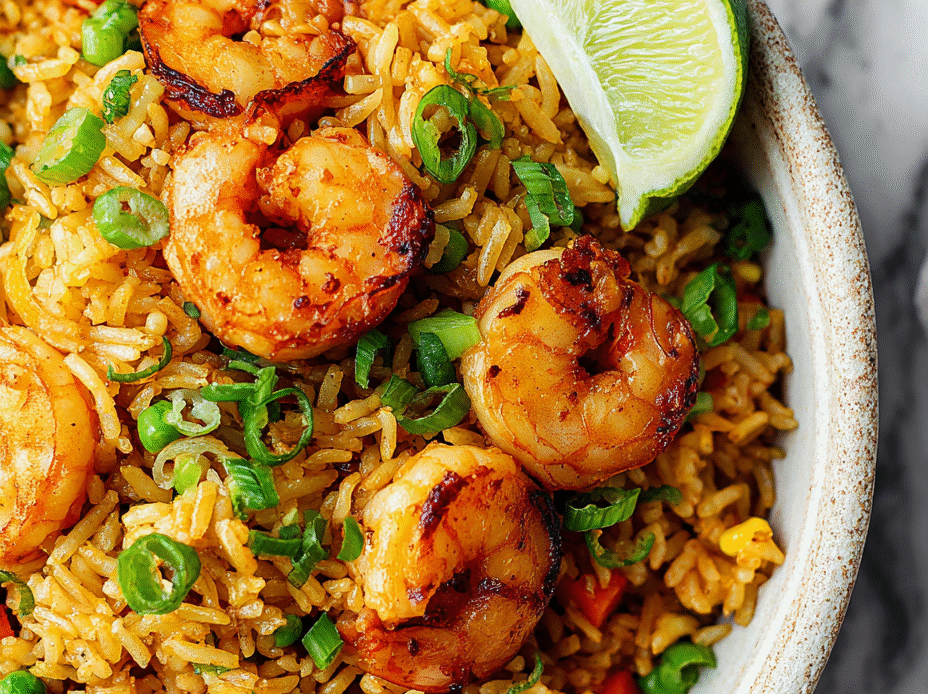
Capturing that elusive smoky, wok hei flavor in homemade shrimp fried rice has always felt like chasing a ghost. I don’t have a traditional wok, just my trusty cast-iron skillet, but I’ve learned a few tricks to get close enough to satisfy that craving. It’s messy, a little chaotic, but worth every stir and scrape along the way.
This dish is my go-to when I want something quick, satisfying, and bursting with flavor. The secret lies in the high heat, the quick tosses, and the seasoning that amplifies each bite. I’ve played around with different techniques, and now I can almost mimic that restaurant-style smoky aroma right in my own kitchen.
It’s a messy, imperfect process — but that’s part of the fun. No fancy equipment needed, just a bit of patience and a willingness to get your hands a little dirty. The reward? A plate of shrimp fried rice that tastes like it’s been cooked over a roaring flame, even if it’s just your stovetop.
Focusing on how to capture that smoky, wok hei flavor in homemade shrimp fried rice without a traditional wok, using everyday kitchen tools and techniques.
Unlocking smoky wok hei in a skillet
- This recipe brings back memories of late-night takeout runs, but with a cozy, homemade twist that I can control.
- I love how the vibrant shrimp and fragrant rice come together, reminding me of family dinners and shared laughs.
- There’s a rush of pride in tossing everything in the pan and watching it come together in those quick, fiery moves.
- Sometimes, I get carried away and add an extra squeeze of lime, just to brighten up the smoky undertones.
- It’s messy, chaotic, but utterly satisfying — a dish that feels like a small victory in my weekly routine.
The story behind this recipe
This shrimp fried rice recipe started as a way to use up leftover rice and shrimp after a busy week. I was tired of the usual takeout, craving something that felt both familiar and fresh, with a little extra kick of flavor I could control. The first time I made it, I was surprised how much flavor I could pack into a simple skillet, especially when I let the rice char just a bit for that smoky edge. It’s become a go-to, a dish that’s quick, satisfying, and reminds me that good food doesn’t need fancy equipment — just a bit of heat and a lot of love.
Trivia and historical tidbits
- Shrimp fried rice has roots in Chinese cuisine, but versions are now popular worldwide, each adding local twists.
- The dish likely evolved as a way to use leftover rice and seafood, making it a practical, hearty meal.
- In some regions, the smoky flavor in fried rice is achieved with a traditional wok, but modern cooks recreate it with different tools.
- The combination of shrimp and rice became a staple in coastal areas, where fresh seafood is abundant and affordable.
- Each family or chef often has their own secret ingredient or technique, making every version slightly unique.
Key ingredients and tips
- Shrimp: I like mine peeled and deveined, with that sweet, briny aroma. You can use frozen shrimp—just thaw and pat dry for a better sear.
- Day-old rice: It’s the backbone—firm, slightly dried out, and perfect for that non-sticky texture. Warm it up a bit before frying if it’s been in the fridge.
- Soy sauce: I aim for a dark, rich color and umami punch. Light soy gives a milder flavor, but don’t skip the saltiness.
- Garlic and scallions: Bright and punchy—garlic adds a savory depth, scallions bring freshness. Crush garlic well to release aroma, and slice scallions thin for even cooking.
- Oil: High-smoke-point oil like vegetable or canola—think neutral, heat-tolerant, and ready for those quick, fiery tosses. It’s all about that crackle and sizzle.
- Eggs: I scramble them lightly and add at the end for a silky texture. Use fresh eggs; they add richness and a slightly custardy bite.
- Optional extras: A dash of sesame oil or a sprinkle of white pepper can elevate the dish, adding that extra layer of flavor and aroma.
Spotlight on key ingredients
Shrimp:
- I prefer mine peeled and deveined, with a firm, slightly sweet bite. They turn pink quickly and release a briny aroma when cooked just right.
- Frozen works well—thaw thoroughly, then pat dry to ensure a good sear. Overcooked shrimp gets rubbery, so watch the timing closely.
Rice:
- Day-old rice: It’s essential for that non-sticky, slightly dry texture. Warm it briefly if it’s been refrigerated to wake up the grains.
- Day-old rice: The drier, the better—fresh rice will turn mushy and make stir-frying messier. Look for rice with some loose grains for easy tossing.
Notes for ingredient swaps
- Protein: Chicken or tofu can replace shrimp. Chicken will need a bit longer to cook, and tofu adds a different texture but still absorbs flavors well.
- Rice: Freshly cooked rice works in a pinch, but it’s best if it’s day-old and cooled. Fresh rice can be too moist and sticky.
- Soy Sauce: Tamari or coconut aminos are good gluten-free options, but they might alter the saltiness and depth slightly.
- Oil: Avocado oil or light olive oil can replace vegetable oil. They have different smoke points and flavors but still work high-heat.
- Aromatics: Ginger can be swapped for a dash of five-spice or omit for a milder flavor. It adds warmth and brightness when used.
- Eggs: For a vegan version, skip eggs or use a tofu scramble. It won’t have the same richness but still adds texture.
- Garnishes: Lemon zest or a splash of rice vinegar can brighten the dish if you’re out of scallions or prefer a tang.
Equipment & Tools
- Cast-iron skillet or wok: Provides high heat for quick stir-frying and smoky flavor
- Spatula: For tossing and scraping ingredients during stir-fry
- Small bowl: For scrambling eggs
- Measuring spoons: To add soy sauce and oil precisely
- Sharp knife: Chopping scallions and prepping ingredients
Step-by-step guide to shrimp fried rice
- Equipment & Tools: Gather a large cast-iron skillet or wok, a spatula, a small bowl for scrambling eggs, measuring spoons, and a sharp knife for chopping scallions.
- Prep all ingredients. Peel and devein shrimp, chop scallions, and beat eggs lightly. Keep rice refrigerated until ready; it’s best if a bit dry.
- Heat your pan on high until just starting to shimmer at about 230°C (450°F). Add a tablespoon of oil, swirl to coat.
- Cook shrimp. Toss in shrimp, season lightly with salt, and stir fry until pink and just cooked through, about 2 minutes. Remove and set aside.
- In the same pan, add a touch more oil if needed. Add minced garlic; cook until fragrant, about 30 seconds. Then add rice, breaking up clumps, stir to heat evenly—about 3-4 minutes.
- Push rice to one side. Pour beaten eggs into the empty space, scramble gently until just set, about 1 minute. Mix eggs into rice thoroughly.
- Return shrimp to the pan. Add soy sauce, a splash of sesame oil if using, and toss everything well. Cook for another minute to marry flavors.
- Add chopped scallions, stir briefly. Taste and adjust seasoning with more soy or salt if needed. The rice should be hot, slightly charred in spots, and fragrant.
- Rest & Finish: Turn off heat. Let sit for a minute to settle. Serve immediately, garnished with extra scallions or a squeeze of lemon if desired.
- Checkpoints & How to Know It’s Done: Shrimp should be opaque and firm; rice should be slightly crispy with some charred bits; aroma should be smoky with garlic and soy notes.
Serve immediately straight from the pan onto warm plates. Garnish with extra scallions or a squeeze of lemon for bright contrast. Let it rest for a minute to settle flavors before digging in.
How to Know It’s Done
- Shrimp is opaque and firm.
- Rice has a slightly crispy, charred appearance.
- Aromatic smoky, soy, and garlic smell fills the air.
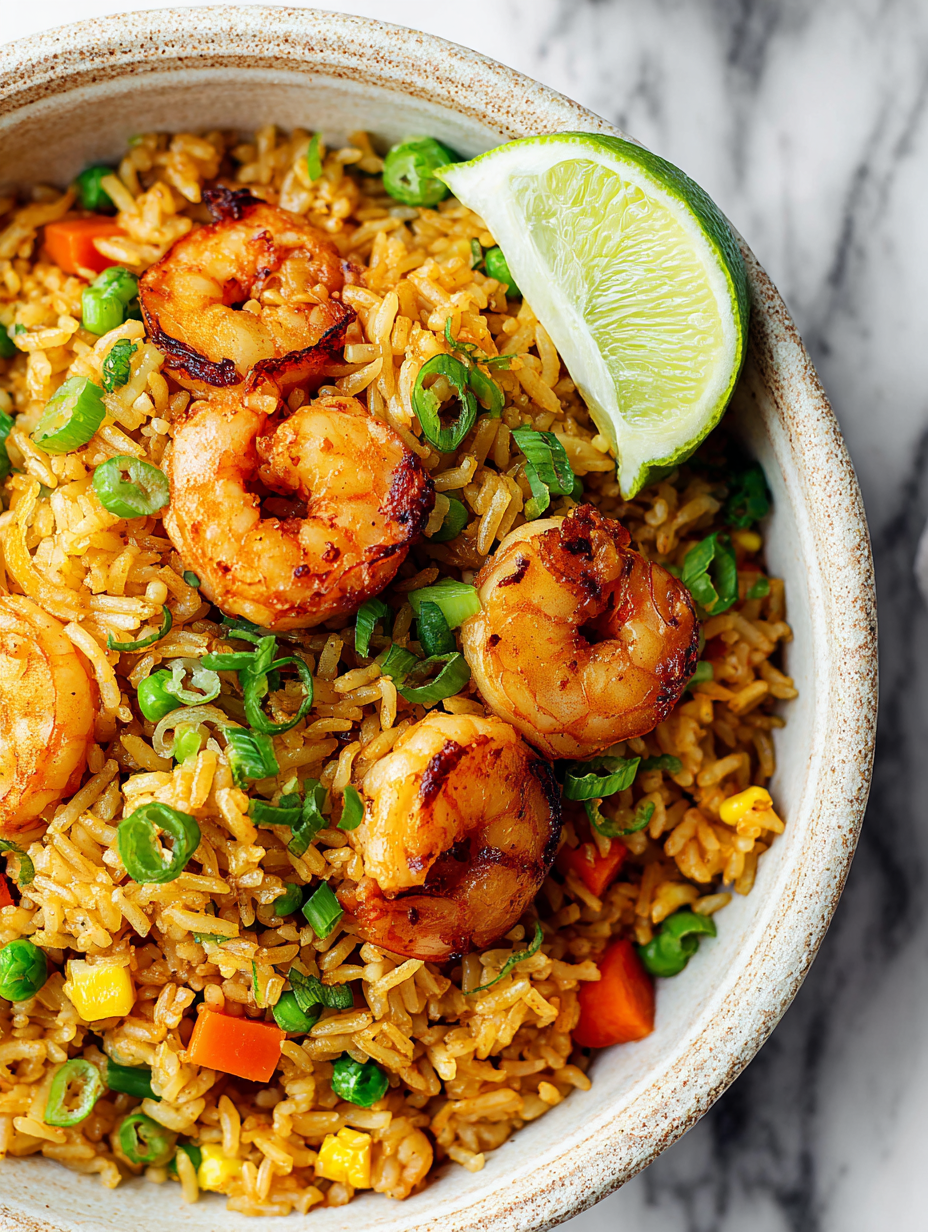
Homemade Shrimp Fried Rice with Smoky Wok Hei
Ingredients
Equipment
Method
- Start by heating your cast-iron skillet over high heat until it’s very hot, almost shimmering. Add 1 tablespoon of oil and swirl to coat the surface.
- Add the shrimp to the hot pan in a single layer. Cook for about 1-2 minutes, tossing or stirring until they turn pink and are just cooked through. Remove the shrimp from the pan and set aside.
- Pour the beaten eggs into the same pan, letting them spread out. Let sit for about 15-20 seconds, then scramble gently with your spatula until just set and slightly fluffy. Remove and set aside.
- Add another tablespoon of oil to the hot pan. Toss in the minced garlic and cook for about 30 seconds, until fragrant and slightly golden, filling the air with aroma.
- Add the cold, day-old rice to the pan. Break up any clumps with your spatula, stirring quickly for about 3-4 minutes until the rice is heated through and starting to char in spots, giving it that smoky, slightly crispy texture.
- Push the rice to one side of the skillet. Pour the scrambled eggs into the empty space, letting them cook for about 30 seconds before gently folding them into the rice, distributing evenly.
- Return the cooked shrimp to the pan. Drizzle soy sauce evenly over the mixture, tossing everything together quickly to coat and cook for another minute, allowing the flavors to meld and the rice to develop a smoky aroma.
- Add the sliced scallions and a teaspoon of sesame oil if using. Toss briefly, just until the scallions soften slightly and release their fresh aroma.
- Taste the fried rice and season with salt and white pepper as needed. Continue tossing for 1 minute to ensure everything is evenly flavored and hot.
- Turn off the heat and let the fried rice sit for a minute. This helps the flavors settle and slightly crisp the edges for that authentic smoky texture.
- Serve the shrimp fried rice hot straight from the pan, garnished with extra scallions if desired, and enjoy that flavorful, smoky aroma with every bite.
Pro tips for perfect shrimp fried rice
- Use high heat early to develop smoky, crispy bits quickly, avoiding sogginess.
- Keep ingredients moving—constant tossing prevents sticking and helps in building that wok hei aroma.
- Dry out your rice in the fridge overnight—moist rice turns mushy and makes stir-fry tricky.
- Add soy sauce in stages—start with a little, taste, then adjust for balanced flavor without overwhelming the dish.
- Scramble eggs separately at high heat—quick, light strokes keep eggs tender and fluffy, not rubbery.
- Use a spatula to scrape the pan—particularly in cast iron—to maximize flavor and prevent sticking.
- Finish with scallions and a squeeze of lemon—brighten the smoky, savory notes just before serving.
Common mistakes and how to fix them
- FORGOT to preheat pan: Always heat pan until shimmering before adding ingredients.
- DUMPED too much soy: Use sparingly; too much can overpower smoky flavor and make rice soggy.
- OVER-TORCHED rice: Stir constantly to prevent burning; reduce heat if rice starts to blacken.
- SKIPPED resting time: Let fried rice sit for a minute after cooking to settle flavors and avoid mushiness.
Quick Fixes and Pantry Swaps
- When rice sticks, splash a little water and stir gently to loosen.
- If shrimp overcooks, quickly remove and add a splash of soy to rehydrate flavor.
- DUMPED too much soy? Fix with a squeeze of lemon for brightness and balance.
- Splash a tiny bit of oil if stir-fry looks dry and ingredients start to burn.
- Patch burnt rice with a sprinkle of water and a quick stir—rescue that smoky texture.
Prep, store, and reheat tips
- Cook and cool rice ahead of time; store in an airtight container for up to 24 hours. It firms up and fries better when not too moist.
- Peel and devein shrimp in advance. Keep them chilled in the fridge, ready to toss into the hot pan for quick cooking.
- Chop scallions, garlic, and any optional extras the day before. Store in separate small containers to speed up assembly.
- Reheat refrigerated rice in a dry skillet or microwave until just warm—this prevents clumping and keeps texture firm.
- Refrigerated fried rice keeps well for up to 2 days. Reheat until hot and fragrant, with a slight crispy edge forming in the pan.
Top questions about shrimp fried rice
1. Can I use frozen shrimp?
Use frozen, thawed, and thoroughly patted dry shrimp for that juicy, briny bite. Fresh is best if available.
2. Should I use fresh or leftover rice?
Day-old rice works best because it’s drier and less sticky. Fresh rice tends to turn mushy in stir-fry.
3. How much soy sauce should I add?
Soy sauce adds umami and color. Start with a little, then taste and add more for depth without overpowering.
4. What temperature should my pan be?
High heat is key—around 230°C (450°F)—to get that smoky, slightly charred flavor and crispy bits.
5. How do I get the smoky flavor without a wok?
Use a spatula to toss ingredients constantly. It prevents sticking and helps build that wok hei aroma.
6. When do I add the shrimp?
Cook shrimp separately until just pink, then add back at the end to prevent overcooking and rubberiness.
7. Should I cook eggs first or last?
Scramble eggs separately over high heat for fluffy texture, then fold into rice at the end.
8. When should I add scallions?
Add scallions at the very end for freshness and a bright contrast to smoky, savory rice.
9. How do I reheat leftover fried rice?
Reheat fried rice in a hot skillet or microwave until steaming hot. Add a splash of water if it’s dry.
10. What if my rice sticks or burns?
If rice sticks, splash a little water, stir gently, and keep the heat high to loosen everything up.
Making this shrimp fried rice without a wok taught me that smoky, flavorful stir-fry is more about technique than equipment. The key is high heat, quick tosses, and a little patience to build that charred aroma and crisp texture.
This dish isn’t just about satisfying hunger; it’s a messy, honest process that reminds me good food comes from a bit of chaos and a lot of seasoning. Every time I make it, I get a little closer to that elusive wok hei, right in my own kitchen.

Hi, I’m Jonny Andrew Miller, the cook, taster, and slightly messy mind behind Bite & Boom. I live in Austin, Texas, a city that smells like barbecue smoke, fresh tortillas, and late-night tacos if you wander long enough. It suits me.