
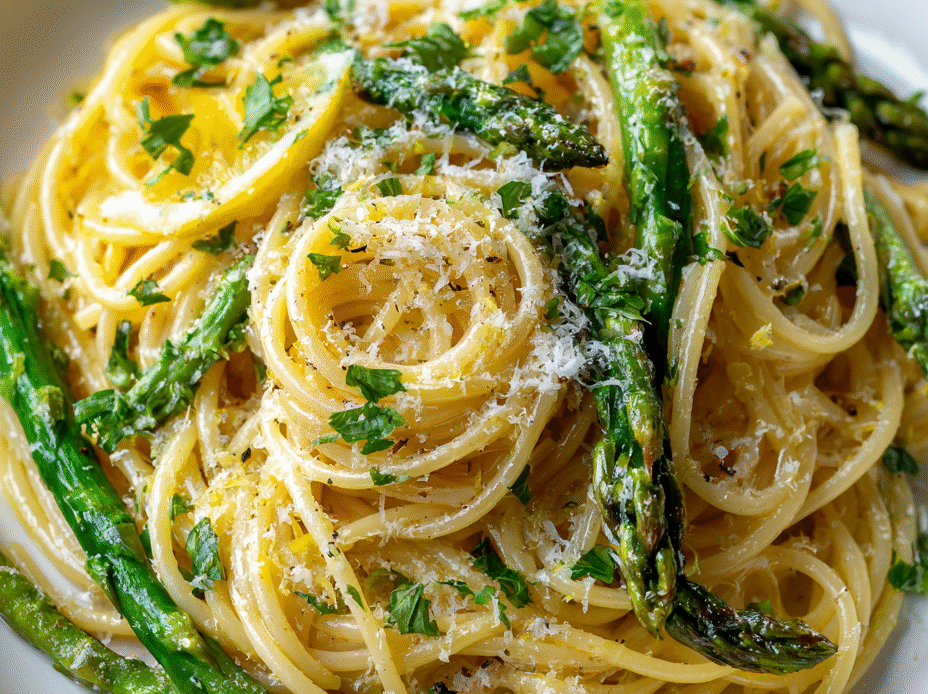
This lemon butter asparagus pasta is my go-to for those nights when I want something bright but satisfying. It’s simple, yes, but it’s all about the way the lemon zests through the butter, making everything feel fresh and lively. I love how the asparagus adds a crunchy bite, giving the dish some nice texture amid the creamy sauce.
What makes this recipe special is how adaptable it is—perfect for a quick dinner, but also elegant enough to serve to friends. I often find myself tossing in a handful of cherry tomatoes or a sprinkle of herbs just to shake things up. It’s one of those dishes that feels like a little celebration of spring, even in the middle of winter if you’ve got good produce.
And honestly, I keep coming back to it because it’s so forgiving. Overcooked the asparagus? No worries, just a quick blanch and toss. Too much butter? A squeeze of lemon brightens it right up. It’s imperfect, honest, and always hits that spot for me after a long day.
This recipe is inspired by those crazy summer evenings when I want something quick, bright, and comforting—like a splash of lemon that cuts through the richness of butter, paired with tender asparagus and pasta. It’s a dish I turn to when I need a little brightness, a little green, but also something that feels like a warm hug after a long day. The unexpected part? I often toss in a pinch of chili flakes for a subtle heat that sneaks up on you, balancing the citrus and butter beautifully.
Story Behind This Dish
- This dish came about on a summer evening when I was craving something quick, fresh, and a little indulgent. I remember standing in my kitchen, looking at a bunch of asparagus and a lemon that was practically begging to be used. The buttery aroma that filled the air as I cooked made me realize how little it takes to turn simple ingredients into something special.
- It’s one of those recipes that feels like a secret handshake among home cooks—easy, comforting, but packed with brightness. I love how the lemon zest and butter meld into a glossy sauce that coats every strand of pasta, while the asparagus adds that perfect crunch. It’s honest food, made with a bit of love and a lot of flavor.
- heading
- Story Behind This Dish
Ingredient breakdown: key components
- Lemon: I love a really zesty lemon to brighten the sauce—look for firm, heavy lemons with bright skin. Swap in lime for a different citrus punch, but don’t skip the zest, it’s the flavor punch.
- Butter: I use unsalted, high-quality butter for that rich, silky mouthfeel. If you want dairy-free, try coconut oil—adds a touch of sweetness and a faint coconut aroma, but keep an eye on the heat so it doesn’t burn.
- Asparagus: Fresh, bright green spears are the sweetest. Blanch or sauté until tender-crisp—overcooking turns them mushy. Frozen works in a pinch, just thaw and drain well beforehand.
- Pasta: I prefer thin spaghetti or linguine—easy to twirl and holds sauce well. Whole wheat or gluten-free options can work if you’re trying to switch things up, but the texture will be a bit different.
- Garlic: I always add a clove or two minced fine—fragrant and pungent, it’s the backbone of the sauce. Roast a bit for a sweeter, milder garlic flavor, or skip if you’re sensitive to raw garlic’s bite.
- Chili Flakes: I toss in just a pinch for a subtle heat—use more if you like it spicy. Smoked paprika can add depth if chili isn’t your thing, but keep it gentle so it doesn’t overpower the lemon.
- Olive Oil: I finish with a good drizzle right before serving—brightens everything. Use a fruity extra virgin for a richer flavor or a neutral oil if you prefer the lemon to shine.
Spotlight on key ingredients
Lemon:
- I love a really zesty lemon to brighten the sauce—look for firm, heavy lemons with bright skin. Swap in lime for a different citrus punch, but don’t skip the zest, it’s the flavor punch.
- Butter: I use unsalted, high-quality butter for that rich, silky mouthfeel. If you want dairy-free, try coconut oil—adds a touch of sweetness and a faint coconut aroma, but keep an eye on the heat so it doesn’t burn.
Asparagus:
- Fresh, bright green spears are the sweetest. Blanch or sauté until tender-crisp—overcooking turns them mushy. Frozen works in a pinch, just thaw and drain well beforehand.
- Pasta: I prefer thin spaghetti or linguine—easy to twirl and holds sauce well. Whole wheat or gluten-free options can work if you’re trying to switch things up, but the texture will be a bit different.
Ingredient swap ideas
- Dairy-Free: Swap butter for coconut oil—adds a slight sweetness and a faint coconut aroma, but keep an eye on the heat so it doesn’t burn.
- Citrus: Use lime instead of lemon for a different bright tang—still fresh and zingy, just a tad more floral.
- Pasta: Whole wheat or gluten-free pasta can replace traditional; they hold sauce well but might add a nuttier or different texture.
- Vegetables: Green beans or peas can stand in for asparagus—both add color and a different crunch or sweetness.
- Herbs: Fresh basil or parsley can brighten the dish further—add at the end for a fragrant, fresh note.
- Oil: Finish with a drizzle of flavored olive oil—like chili or garlic-infused—for added depth and aroma.
- Garlic: Roasted garlic in place of raw—adds a mellow, sweet depth; add it at the end for a softer garlic hit.
Equipment & Tools
- Large sauté pan: Cook and toss the ingredients evenly.
- Colander: Drain pasta and blanch asparagus.
- Grater: Zest lemon finely for bright flavor.
- Wooden spoon or tongs: Mix and toss ingredients comfortably.
Step-by-step guide to lemon butter asparagus pasta
- Equipment & Tools: Use a large sauté pan—wide enough to toss pasta comfortably. Have a colander handy for draining the asparagus. Grater for lemon zest, and a spoon for mixing.
- Bring a large pot of salted water to a rolling boil—about 4 liters (just over a gallon). Add pasta and cook until al dente, about 8 minutes. Reserve 1 cup of pasta water, then drain.
- While pasta cooks, trim asparagus—snap off woody ends, then cut into 2-inch pieces. Blanch in boiling water for 2 minutes until bright green and just tender. Drain and set aside.
- In your sauté pan, melt 2 tbsp butter over medium heat—around 150°C (300°F). Once melted, add minced garlic, cook until fragrant—about 30 seconds, smell should be sweet and pungent, not burnt.
- Add asparagus to the pan, sauté for 2–3 minutes—look for a slight char and tender-crisp texture. If garlic turns dark quickly, turn down the heat to avoid bitterness.
- Toss in cooked pasta, pour in juice of half a lemon and 2 tbsp of lemon zest. Add ¼ cup pasta water to loosen the sauce—stir well so everything glistens. If too dry, add more reserved water, a splash at a time.
- Drizzle in 2 tbsp olive oil, season with salt and freshly ground pepper—taste and adjust. Cook for another minute, letting flavors meld and sauce thicken slightly. The sauce should be glossy and cling to the noodles.
- Remove from heat. Finish with a squeeze of lemon, a pinch of chili flakes if using, and a final stir. Rest for 1 minute to let flavors settle before serving.
- Plate immediately, garnished with extra lemon zest or herbs if desired. Serve hot and enjoy that bright, buttery aroma.
Serve immediately while hot. Garnish with extra lemon zest or herbs if desired. Rest for a minute to let flavors meld before plating.
How to Know It’s Done
- Pasta: Al dente—firm to the bite, not mushy.
- Asparagus: Bright green, tender-crisp, not limp or overcooked.
- Sauce: Glossy, coats noodles evenly, with a fresh lemon aroma.
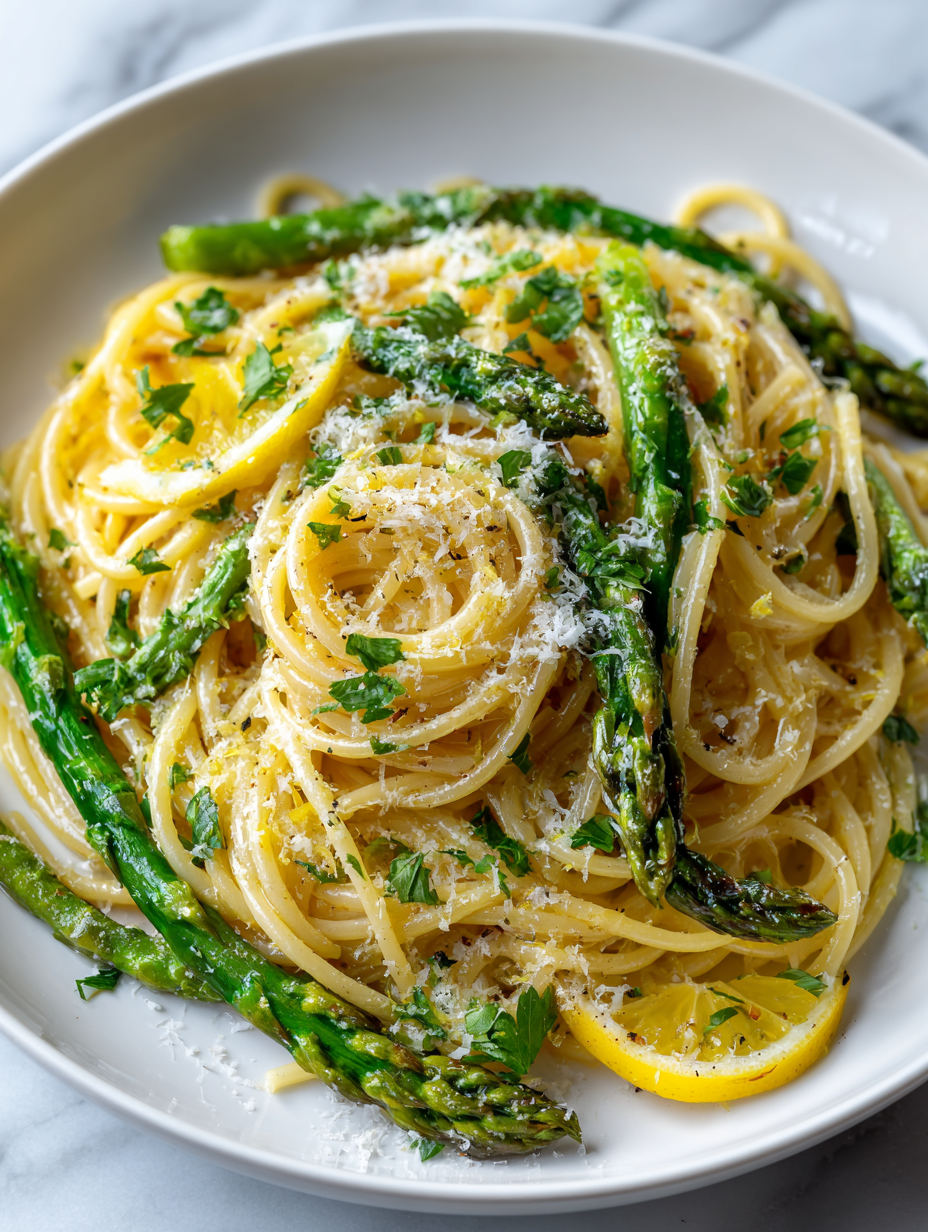
Lemon Butter Asparagus Pasta
Ingredients
Equipment
Method
- Bring a large pot of salted water to a rolling boil, then add the pasta. Cook until just al dente, about 8 minutes, and then reserve a cup of pasta water before draining in a colander. Set aside.
- While the pasta cooks, trim the woody ends off the asparagus, then cut into 2-inch pieces. Blanch in boiling water for 2 minutes until vibrant green and tender-crisp. Drain and set aside.
- In a large sauté pan, melt the butter over medium heat until it starts to foam and smells slightly nutty, about 2 minutes.
- Add the minced garlic to the pan, cooking until fragrant and golden, about 30 seconds. Be careful not to burn it.
- Toss in the blanched asparagus, sauté for 2–3 minutes until slightly charred and tender but still crisp, releasing a fresh aroma.
- Add the cooked pasta to the pan, then squeeze in the juice of half the lemon and sprinkle over the lemon zest. Pour in a splash of the reserved pasta water and toss everything together, coating the noodles evenly with the lemon butter sauce.
- Drizzle in the olive oil, season with salt, pepper, and chili flakes if using. Toss again until glossy and well combined, about 1 minute.
- Remove from heat, then give the pasta a final squeeze of lemon for brightness. Taste and adjust seasoning as needed.
- Serve immediately, garnished with extra lemon zest or herbs if desired, for a vibrant, buttery, and crisp-textured dish.
Pro tips for perfect lemon butter asparagus pasta
- Use a generous amount of lemon zest—brightens the dish and enhances the butter’s richness.
- Sauté garlic gently—keep the heat moderate to avoid bitterness and develop a sweet aroma.
- Blanch asparagus briefly—keeps that vibrant color and crisp-tender bite, preventing mushiness.
- Reserve pasta water—starchy and helps loosen the sauce to cling beautifully to the noodles.
- Finish with a squeeze of lemon after cooking—adds a fresh burst and balances the buttery richness.
- Cook pasta just shy of al dente—so it finishes cooking in the sauce, absorbing flavor without turning mushy.
- Use high-quality butter—silky, melts evenly, and adds depth to the sauce.
Common mistakes and how to fix them
- FORGOT to taste and adjust seasoning—add more lemon or salt as needed.
- DUMPED the pasta water too quickly—reserve more to loosen the sauce if needed.
- OVER-TORCHED the garlic—turn down heat immediately and add a splash of water.
- FAILED to drain asparagus thoroughly—excess water dilutes the sauce, so pat dry before adding.
Quick fixes and pantry swaps
- If sauce shimmers but doesn’t cling, splash in a bit more pasta water and stir gently.
- When asparagus turns limp, quickly toss in ice water to stop cooking and preserve crunch.
- Splash a squeeze of lemon if the dish feels dull—brighten with citrus instantly.
- Patch overcooked garlic by stirring in a teaspoon of fresh lemon juice for freshness.
- Shield the sauce from burning by lowering heat immediately if it crackles or darkens.
Prep, store, and reheat tips
- Prep the lemon zest and chop asparagus ahead—store separately in airtight containers in the fridge for up to 1 day. The zest keeps its bright aroma, and asparagus stays crisp if kept dry.
- Cook the pasta al dente in advance, drain, and toss with a little olive oil to prevent sticking. Store in a sealed container for up to 24 hours; reheat briefly in boiling water or microwave to loosen.
- Make the lemon butter sauce up to a day ahead—keep chilled in a jar or bowl. Reheat gently over low heat, stirring until warm and glossy, releasing a fresh lemon scent.
- Asparagus can be blanched and stored for 1-2 days. Reheat in hot water or briefly sauté to revive the crunch, smelling sweet and grassy as it warms.
- Reheating leftovers? Toss with a splash of pasta water or lemon juice to refresh the sauce, ensuring it stays shiny and flavorful. Serve immediately after warming, with a faint lemon aroma enhancing the dish.
FAQs about Lemon Butter Asparagus Pasta
1. Can I use frozen asparagus?
Use fresh asparagus for the best crunch and vibrant green color. Frozen can work if thawed and drained well.
2. How much lemon should I add?
Lemon juice adds bright acidity, while lemon zest provides a punch of citrus aroma. Both are essential for flavor depth.
3. How do I know when pasta is done?
Cook pasta until just al dente, about 8 minutes. It will finish cooking in the sauce for the perfect bite.
4. How long to blanch the asparagus?
Blanch asparagus for 2 minutes until bright green and tender-crisp. Overcooking makes it mushy and loses flavor.
5. Can I substitute the butter?
Use high-quality unsalted butter for richness. Dairy-free? Coconut oil adds a subtle sweetness but changes the flavor.
6. When should I add lemon and oil?
Finish with a squeeze of lemon and a drizzle of olive oil to brighten and add shine just before serving.
7. Why reserve pasta water?
Reserve some pasta water before draining; it’s starchy and helps loosen the sauce if it gets too thick.
8. How do I avoid burning garlic?
Avoid burning garlic by cooking on moderate heat—look for a fragrant, sweet aroma, not bitter or charred scent.
9. What if the sauce isn’t sticking?
If sauce isn’t sticking, add a little more reserved pasta water and toss again until glossy.
10. How do I reheat the dish?
Reheat leftovers gently in the microwave or on the stove with a splash of lemon juice or water to refresh flavors.
This dish isn’t just about bright flavors—it’s about those simple moments in the kitchen when a handful of ingredients come together effortlessly. The lemon’s zing, the buttery richness, and the crunch of asparagus make it feel like a little celebration each time I make it.
In busy weeks or lazy weekends, I keep coming back to it because it’s honest, adaptable, and honest about how good good ingredients can be. It’s a reminder that sometimes, the simplest recipes are the ones that leave the biggest impression, no matter the season.

Hi, I’m Jonny Andrew Miller, the cook, taster, and slightly messy mind behind Bite & Boom. I live in Austin, Texas, a city that smells like barbecue smoke, fresh tortillas, and late-night tacos if you wander long enough. It suits me.