
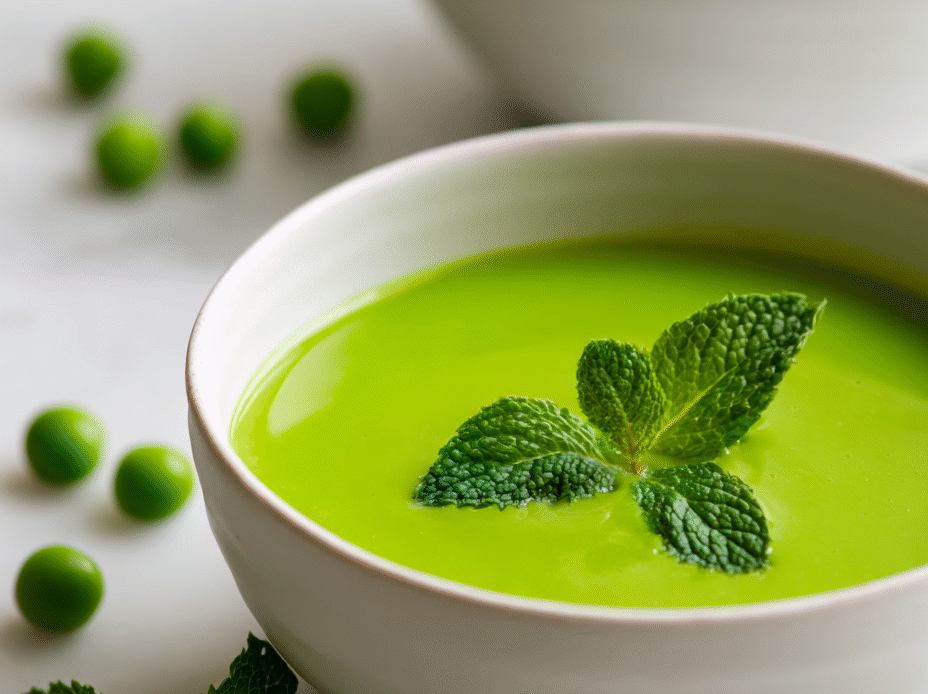
There’s something about fresh peas that feels like catching a secret moment in spring. When you peel back the pod, that burst of sweetness and bright green color feels almost like a gift, fragile and fleeting. I love turning that into a simple soup, letting those tender peas shine without fuss or overthinking.
This recipe isn’t about fussing with complicated techniques; it’s about celebrating the pure, fresh flavor of peas in a way that’s quick to pull together, yet feels special enough for a leisurely lunch or a casual dinner. It’s proof that sometimes the best dishes come from letting the ingredients speak for themselves.
Using fresh peas changes everything—the taste, the texture, even the way the soup looks. I’ve found that rushing to freeze or cook peas to death can dull that vibrant sweetness. This recipe keeps things straightforward, letting the peas’ natural charm do all the work. It’s a reminder that simplicity often yields the most satisfying, honest flavors.
Focusing on the overlooked charm of using fresh peas that haven’t been overly processed or frozen, this recipe celebrates their delicate sweetness and tender texture, turning a simple soup into a vibrant, springtime celebration in a bowl.
The story behind this recipe
- One spring, I wandered into a small farmers’ market and was struck by a vendor offering bright green, perfectly plump peas. I remember the way the sunlight hit their delicate shells, making them look almost luminous. That moment made me realize how much I love cooking with fresh, seasonal ingredients that haven’t been overhandled.
- I started experimenting with those peas, peeling them fresh and letting their natural sweetness shine in a simple soup. It’s become a go-to when I want something quick, honest, and packed with flavor. The act of shelling those peas feels like a quiet celebration of spring, a small ritual that connects me to the season.
- heading: The story behind this recipe
Ingredient breakdown: key components
- Fresh peas: I love the bright, sweet aroma of freshly shelled peas, like spring in a pod. Skip frozen if you can, they lose some of that lively flavor.
- Onion: A small yellow onion, diced fine, adds a gentle sweetness and depth. If you only have shallots, they bring a milder, more delicate note.
- Garlic: A couple of cloves, minced, give the soup a warm, fragrant backbone. Roast it slightly if you want a smoky undertone.
- Vegetable broth: Use homemade or store-bought, but go for a clear, light broth—it’s the base that lets the peas shine.
- Mint: Fresh mint leaves, chopped, brighten the soup with a lemony, herby zing. Dried mint can work in a pinch, but fresh is best for vibrancy.
- Olive oil: A good splash of extra virgin, added at the end, gives depth and a silky finish. Skip if you prefer a lighter, brothy feel.
- Lemon juice: A squeeze brightens the whole bowl, balancing sweetness with a zing that wakes up the flavors. Fresh lemon is always preferable.
Spotlight on key ingredients
Fresh peas:
- I love their delicate, sweet aroma when shelled—like spring in a pod. Frozen peas can work, but they lose some of that lively flavor.
- Peas behave differently during cooking—they break down quickly, releasing a vibrant color and sweet scent. Their tender texture is key to that smooth, velvety soup.
Mint:
- Fresh mint leaves add a bright, lemony zing. They release their aromatic oils quickly when chopped, making the soup smell like a garden in bloom.
- Mint’s flavor intensifies when heated but can turn bitter if overcooked. Add it at the end to preserve its fresh, herby brightness.
Notes for ingredient swaps
- Dairy-Free: Swap out cream or butter for coconut milk or olive oil. The soup will be lighter and a bit more vegetal in flavor.
- Vegan: Use vegetable broth exclusively and skip cheese or dairy toppings. Keep the flavor bright with extra lemon and herbs.
- Frozen Peas: Use frozen peas if fresh aren’t available. They’re convenient but may lose some sweetness and vibrancy.
- Herb Variations: Replace mint with basil or parsley for different herbal notes. Basil adds a sweet, peppery brightness, parsley a fresh, grassy touch.
- Onion Alternatives: Shallots or leeks can stand in for onion, offering a more delicate, sweeter flavor. Adjust cooking time slightly.
- Oil Choices: Substitute with avocado or sesame oil for different aroma profiles. Keep in mind their stronger flavors can alter the dish’s subtlety.
- Lemon Juice: Use lime or vinegar as a tangy alternative. Lime adds a slightly different brightness, vinegar offers a sharper acidity.
Equipment & Tools
- Medium saucepan: Cook the aromatics and peas, simmer the soup.
- Immersion blender: Puree the soup directly in the pot for smoothness.
- Measuring spoons: Accurately measure lemon juice, olive oil, and other seasonings.
- Wooden spoon: Stir the ingredients and avoid scratching non-stick surfaces.
Step-by-step guide to fresh pea soup
- Gather all equipment: a medium saucepan, blender, measuring spoons, and a wooden spoon. The saucepan will cook the aromatics, the blender purees the soup, and the spoon stirs everything together.
- Heat the saucepan over medium heat (~160°C / 320°F). Add a tablespoon of olive oil and let it shimmer, not smoke. This is where the aroma of onion and garlic will start to bloom.
- Add the diced onion to the pan. Cook for 3-4 minutes, stirring occasionally, until translucent and just beginning to soften. It should smell sweet and inviting.
- Toss in the minced garlic. Cook for another 30 seconds, just until fragrant. Be careful not to burn it; if it starts to brown too quickly, reduce heat slightly.
- Add the fresh peas (about 2 cups) to the pan. Stir well, and cook for 2-3 minutes until the peas look vibrant and slightly tender. They’ll start to release their sweet aroma.
- Pour in 3 cups of vegetable broth. Turn up the heat to bring it to a gentle boil. Once bubbling, reduce heat to low and simmer uncovered for 5 minutes. The peas should be tender but not mushy.
- Check the soup: the peas should be bright green and tender when pierced with a fork. The onion and garlic should smell sweet and savory, with a gentle steam rising from the pot.
- Remove from heat. Use an immersion blender directly in the pot to puree the soup until smooth. If you prefer a chunkier texture, pulse a few times instead of blending it totally smooth.
- Stir in a tablespoon of lemon juice and chopped fresh mint. Taste and adjust with salt and pepper. If it tastes flat, a pinch more salt or a dash more lemon can brighten it.
- Finish with a drizzle of good olive oil. Serve hot, garnished with extra mint leaves or a swirl of cream if desired. Rest for 2-3 minutes before serving to let flavors meld.
Let the soup sit for 2-3 minutes after blending and seasoning. Serve in warm bowls, garnished with fresh mint or a drizzle of olive oil. Enjoy immediately for the best flavor and texture.
How to Know It’s Done
- Peas are tender but still bright green, with a slight pop when pierced.
- Aromatics smell sweet and fragrant, not burnt or off.
- Soup is smooth and velvety, with a fresh, bright flavor from lemon and mint.
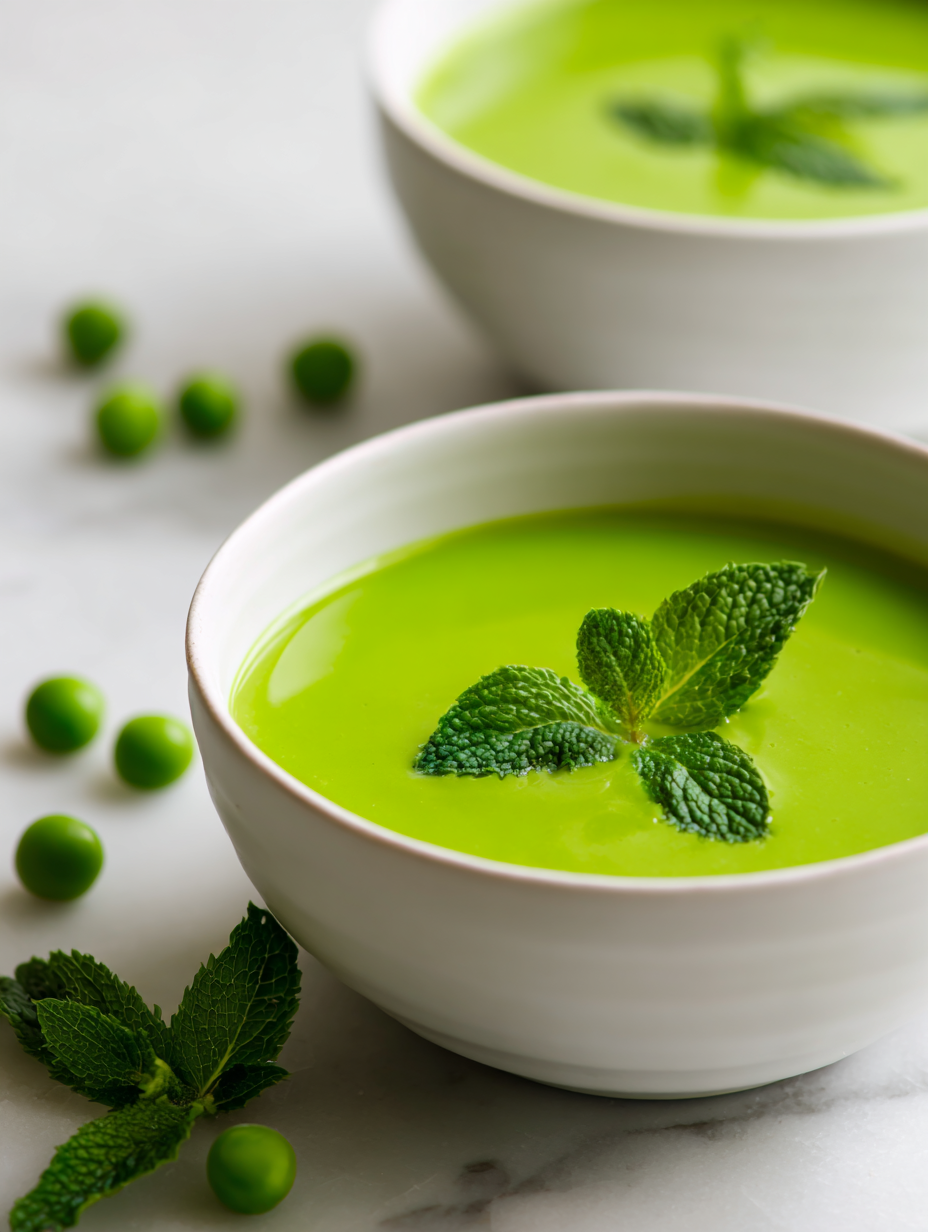
Fresh Pea Soup with Mint
Ingredients
Equipment
Method
- Heat a medium saucepan over medium heat and add the olive oil. Once it shimmers, add the diced onion and cook for about 3-4 minutes until it becomes translucent and fragrant.
- Add the minced garlic to the pan and cook for another 30 seconds until fragrant, being careful not to burn it.
- Stir in the fresh peas and cook for 2-3 minutes, watching for their bright green color to intensify and smell sweet and fresh.
- Pour in the vegetable broth, increase the heat to bring the mixture to a gentle boil, then reduce to low and simmer uncovered for 5 minutes until the peas are tender and brightly colored.
- Remove the soup from heat and use an immersion blender to puree directly in the pot until smooth, or pulse in a regular blender in batches. The soup should be velvety and bright green.
- Stir in the lemon juice and chopped mint leaves, then taste and season with salt and pepper as needed. The bright lemon and mint should lift the flavors.
- Finish with a drizzle of good olive oil, then serve the soup warm, garnished with extra mint if desired.
Pro tips for perfect pea soup
- Bolded mini-head: Use high heat briefly → Searing peas quickly enhances their bright flavor and keeps color lively.
- Bolded mini-head: Keep peas cold until cooking → Chill fresh peas in ice water after shelling to preserve sweetness and texture.
- Bolded mini-head: Blend in short bursts → Pulse the soup in the blender to maintain a slightly chunky texture if desired.
- Bolded mini-head: Add herbs at the end → Stir mint in after blending to keep its fresh, aromatic oils intact.
- Bolded mini-head: Taste before serving → Adjust with lemon or salt to brighten and balance the sweet pea flavor.
- Bolded mini-head: Use immersion blender carefully → Keep the blender fully submerged to avoid splatters and ensure smoothness.
- Bolded mini-head: Finish with good oil → Drizzle quality olive oil just before serving to add depth and silkiness.
Common mistakes and how to fix them
- FORGOT to check pea tenderness → Test with a fork, they should be bright green and tender.
- DUMPED in too much cold water → Use hot or warm water to avoid shocking the peas and dulling their color.
- OVER-TORCHED the garlic → Cook garlic for just 30 seconds until fragrant, not browned or burnt.
- SKIPPED tasting and adjusting seasoning → Always taste after blending and add lemon or salt to brighten flavors.
Quick fixes and pantry swaps
- When peas look dull, splash them with cold water to revive their bright color.
- If soup is too thick, add a quick splash of hot broth and blend again gently.
- DUMPED in too much garlic? Add a squeeze of lemon to brighten and balance the flavor.
- Over-torched garlic? Patch with a touch of fresh garlic or a drizzle of good olive oil.
- Splash a little more lemon or herbs if the soup feels flat or dull on the palate.
Prep, store, and reheat tips
- Peas: Shell the peas ahead of time and keep them in a sealed container in the fridge for up to 24 hours. The fresher, the better for vibrant sweetness.
- Soup: Once cooled, store the soup in airtight containers in the fridge for up to 2 days. The flavors deepen slightly, so give it a good stir before reheating.
- Reheating: Warm the soup gently on the stove over low heat, stirring occasionally. It should shimmer and smell fragrant, with no signs of separation.
- Sensory notes: The soup will develop a richer aroma and slightly thicker texture after sitting, so adjust with a splash of broth or water if needed during reheating.
Top questions about fresh pea soup
1. How do fresh peas smell when cooked?
Fresh peas have a bright, sweet aroma that’s distinctly springy, almost like a whisper of green in your nose. Frozen peas tend to lose some of that lively scent.
2. How can I tell when the peas are tender enough?
Peas turn from vibrant green to dull if overcooked. Keep an eye on their color and firmness—bright and tender is perfect.
3. Can I use a regular blender instead of an immersion one?
Using an immersion blender makes the process quick and easy. If you don’t have one, a regular blender works, just blend in batches and be careful with hot splashes.
4. Why add lemon to pea soup?
Adding lemon juice brightens the natural sweetness of the peas and balances the soup’s flavor. Fresh lemon is best for that zesty punch.
5. Can I skip the mint or use dried herbs?
Fresh mint leaves release their herby, lemony aroma quickly when chopped and stirred in at the end. Dried mint won’t give the same vibrant flavor.
6. What if the soup is too thick after blending?
If your soup ends up too thick, a splash of hot broth or water while blending can loosen it up without losing creaminess.
7. How do I avoid overcooking the peas?
The key to fresh pea flavor is to cook them just enough—bright green, slightly tender, with a slight pop when bitten.
8. Can I use frozen peas instead of fresh?
Frozen peas work fine in a pinch, but they tend to be less vibrant and slightly less sweet than fresh ones. Use them if fresh aren’t available.
9. Why finish with olive oil?
A drizzle of good quality olive oil at the end adds a silky finish and enhances the overall flavor with a subtle fruity note.
10. How should I store and reheat leftover pea soup?
To keep the soup vibrant and fresh, refrigerate in airtight containers and reheat gently, stirring often. It’s best enjoyed within 2 days.
This simple fresh pea soup isn’t just about capturing spring’s fleeting sweetness; it’s about the quiet joy of quick, honest cooking. When it’s bubbling on the stove, I think about how ingredients can carry so much season and history in each bite.
No matter the day, it’s a reminder that good food can be straightforward, vibrant, and deeply satisfying—just like the season itself. Sometimes, all it takes is a few fresh ingredients and a little patience to make something truly memorable.

Hi, I’m Jonny Andrew Miller, the cook, taster, and slightly messy mind behind Bite & Boom. I live in Austin, Texas, a city that smells like barbecue smoke, fresh tortillas, and late-night tacos if you wander long enough. It suits me.