
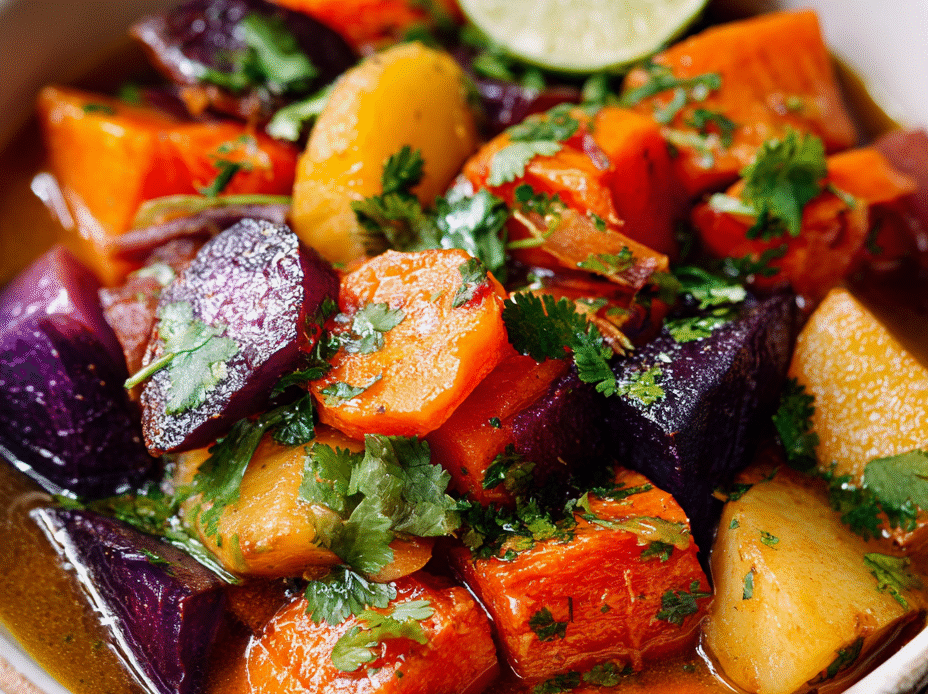
There’s something endlessly comforting about turning humble roots like carrots and potatoes into a curry. It’s that simple mix of earthy sweetness and starchy warmth, simmered with spices that feel like a cozy hug. Making this dish feels like a little act of kindness, especially on days when the world seems a little grey.
I’ve always loved how this curry can be both a quick weeknight fix and a weekend project. It’s forgiving—no fuss, no fancy ingredients needed, just good, honest food that sticks to your ribs. Plus, the aroma that wafts through the kitchen as it cooks is enough to make anyone feel at home, no matter where they are.
Focusing on the humble, everyday roots as comfort food with a twist—transforming simple carrot and potato curry into a cozy, soulful meal that feels like a warm hug on a chilly day.
The story behind this recipe
- This recipe comes from a chilly afternoon in my childhood kitchen, where my grandma’s pot bubbled away with carrots, potatoes, and a secret handful of spices. I remember the smell—the earthy sweetness of the carrots mingling with the smoky warmth of toasted cumin. That moment, standing on a chair to watch her stir, made me realize how humble ingredients can become something so soul-satisfying.
- Years later, I still turn to this curry when I need comfort or a quick, honest meal. It’s one of those dishes that feels like a small act of care—no fuss, just straightforward flavors that fill the house with warmth and nostalgia.
- heading
- story_type
Key ingredients and tips
- Carrots: I like mine a bit chunky for that satisfying bite, but you can dice them finer if you prefer a smoother curry. The natural sweetness really pops when they cook down—try to pick firm, bright orange ones.
- Potatoes: Russets are my go-to—they become tender and mash slightly, soaking up all those spices. If you want a creamier texture, go for Yukon Golds, but skip waxy reds—they hold shape too well.
- Coconut Milk: I use full-fat for richness, and the slight creaminess balances the spices beautifully. If you’re cutting calories, a light version works, but the curry will be less luscious—add a splash of broth to compensate.
- Spices: I toast cumin and coriander seeds until fragrant before grinding—this step makes a world of difference, adding depth and smoky warmth. If you’re in a rush, pre-ground spices work, but they won’t have the same punch.
- Garlic & Ginger: Fresh is best—peel and mince just before adding to unleash their pungent aroma. If you’re out, a good squeeze of jarred ginger and minced garlic from a tube can keep things moving without losing flavor.
- Onion: I prefer yellow onions for their balanced sweetness, cooked until golden. If you want a milder curry, caramelize them longer; for sharper bite, add them later in the cooking process.
- Oil: Use a neutral oil with a high smoke point, like vegetable or sunflower. I avoid extra virgin olive oil here—it can overpower the spices and burn at high heat, creating a bitter note.
Spotlight on key ingredients
Carrots:
- I like mine a bit chunky for that satisfying bite, but you can dice them finer if you prefer a smoother curry. The natural sweetness really pops when they cook down—try to pick firm, bright orange ones.
- Potatoes: Russets are my go-to—they become tender and mash slightly, soaking up all those spices. If you want a creamier texture, go for Yukon Golds, but skip waxy reds—they hold shape too well.
Potatoes:
- Russets are my go-to—they become tender and mash slightly, soaking up all those spices. If you want a creamier texture, go for Yukon Golds, but skip waxy reds—they hold shape too well.
- Coconut Milk: I use full-fat for richness, and the slight creaminess balances the spices beautifully. If you’re cutting calories, a light version works, but the curry will be less luscious—add a splash of broth to compensate.
Notes for ingredient swaps
- Dairy-Free: Swap coconut milk for cashew cream or almond milk. You lose some richness, but it stays smooth.
- Vegan: Use vegetable broth instead of water for simmering. Keeps the curry flavorful without animal products.
- Spice Level: Add a pinch of cayenne or red chili flakes if you like heat. If too spicy, add a splash of coconut milk to mellow.
- Root Veggie Swap: Swap sweet potatoes for carrots for a sweeter, softer bite. Keep the cooking time similar.
- Herb Boost: Fresh cilantro adds brightness, but frozen chopped herbs work in a pinch—just stir in at the end.
- Oil Choice: Use sesame oil for a nutty aroma or ghee for a richer, deeper flavor. Both add their unique touch.
- Water Substitute: Replace water with tomato puree for a slightly tangy depth—just add a splash at the start.
Equipment & Tools
- Large heavy-bottomed pot or Dutch oven: For even heat and slow simmering.
- Wooden spoon or spatula: For stirring and preventing sticking.
- Sharp knife: For chopping vegetables finely and safely.
- Measuring cup: To measure liquids accurately.
Step-by-step guide to carrot and potato curry
- Gather all equipment: a large heavy-bottomed pot or Dutch oven (for even heat distribution), a wooden spoon or spatula (for stirring), a sharp knife (for chopping), and a measuring cup (for liquids).
- Peel and chop 2 large carrots into 1-inch chunks. Do this while the pot heats up; aim for even-sized pieces for uniform cooking.
- Peel and dice 2 medium potatoes into similar-sized chunks. Keep the pieces roughly uniform—this helps them cook evenly.
- Heat 2 tablespoons of oil over medium heat (around 180°C/356°F) in the pot. Once shimmering, add 1 chopped onion. Cook for 5-7 minutes, stirring occasionally, until golden and fragrant.
- Add 2 minced garlic cloves and 1 tablespoon grated ginger to the onions. Cook for about 1 minute until aromatic—avoid burning, reduce heat if needed.
- Stir in 1 teaspoon cumin seeds and 1 teaspoon coriander seeds. Toast for 30 seconds until fragrant, then add 1 teaspoon turmeric and 1 teaspoon garam masala. Cook for another 30 seconds, stirring constantly.
- Add the chopped carrots and potatoes to the spices. Stir well to coat everything in the fragrant mixture. Cook for 2-3 minutes, letting the vegetables absorb the spices.
- Pour in 400 ml (about 1.7 cups) of coconut milk and 200 ml (about 0.85 cups) of water or broth. Bring to a gentle simmer over medium-low heat (around 150°C/302°F).
- Reduce the heat to low; cover partially with a lid. Let simmer gently for 20-25 minutes, stirring occasionally. Check for tender vegetables—fork should go in easily.
- Uncover and cook for another 5 minutes to thicken the curry slightly. If it gets too thick, stir in a splash of water or broth. Taste and adjust salt or spices as needed.
- Once the vegetables are tender and the curry has developed a rich aroma, turn off heat. Let it rest for 5 minutes before serving to allow flavors to meld.
- Serve hot, garnished with fresh herbs if desired. Pair with rice or crusty bread for a hearty, comforting meal.
Let the curry sit off heat for 5 minutes. Serve in bowls, garnished with fresh herbs if desired. Enjoy with rice or bread.
How to Know It’s Done
- Vegetables are tender when pierced with a fork.
- Curry has a rich, fragrant aroma, and spices are toasted well.
- Sauce has thickened slightly, coating vegetables evenly.
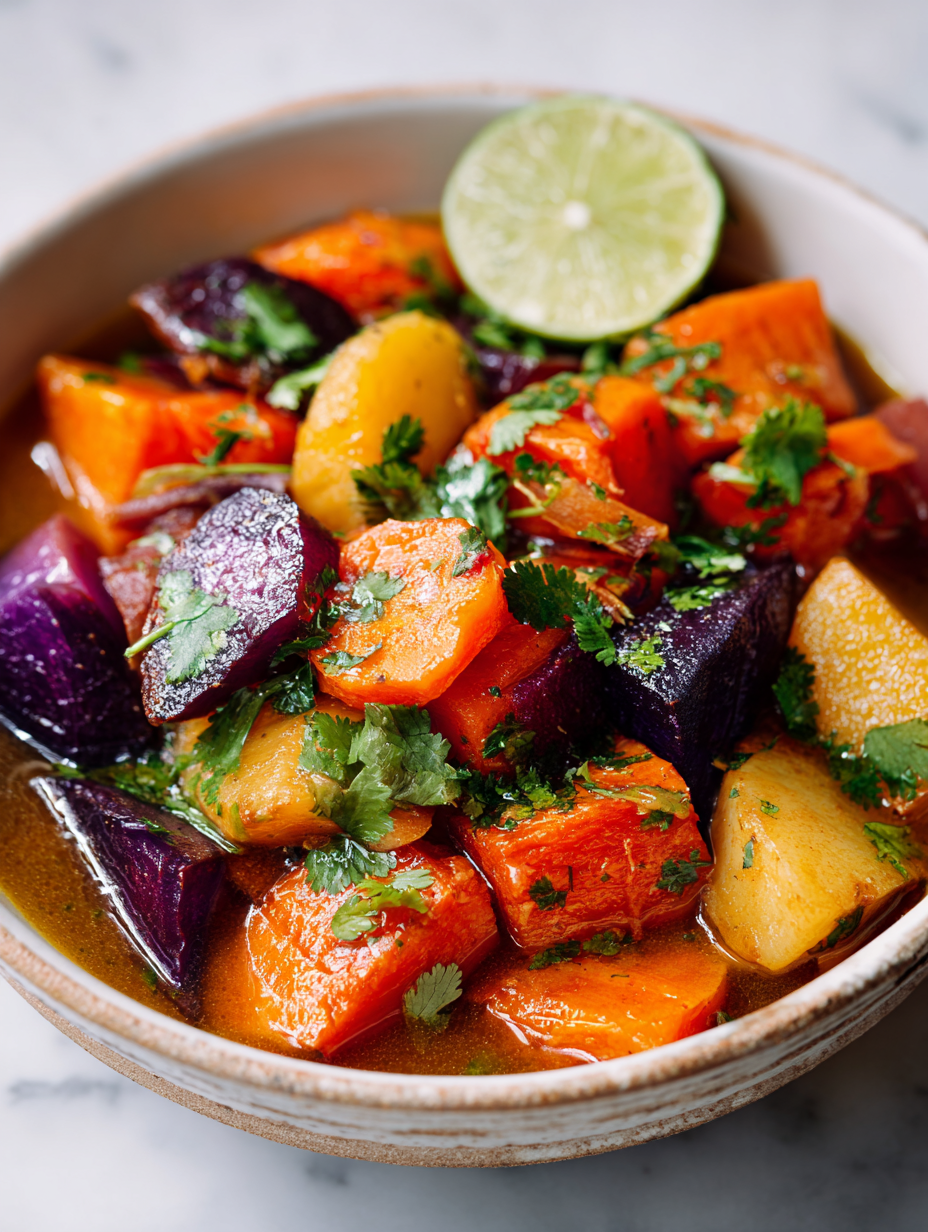
Humble Root Vegetable Curry
Ingredients
Equipment
Method
- Peel and chop the carrots into chunky 1-inch pieces, then do the same with the potatoes—aim for uniform pieces so they cook evenly.
- Heat the oil in a large heavy-bottomed pot over medium heat until it shimmers, then add the chopped onion. Sauté for 5-7 minutes, stirring occasionally, until the onion turns golden and fragrant.
- Add the minced garlic and grated ginger to the onions, cooking for about 1 minute until their aroma fills the air and they turn fragrant.
- In a small dry skillet, toast the cumin and coriander seeds over medium heat for about 30 seconds until fragrant, then grind them using a mortar and pestle or spice grinder. Add the toasted spices to the pot.
- Stir in the turmeric and garam masala, cooking for another 30 seconds to toast the spices and deepen their aroma.
- Add the chopped carrots and potatoes to the pot, stirring well to coat them in the fragrant spice mixture. Cook for 2-3 minutes, allowing the vegetables to absorb the flavors.
- Pour in the coconut milk and water or broth, stirring gently. Bring the mixture to a gentle simmer over medium-low heat, then cover loosely with a lid.
- Reduce the heat to low and let the curry simmer gently for 20-25 minutes, stirring occasionally until the vegetables are tender and the sauce has thickened slightly.
- Uncover and cook for an additional 5 minutes to allow the curry to thicken further, stirring as needed. Taste and add salt to enhance the flavor.
- Remove from heat, let sit for a few minutes to meld the flavors, then serve hot, garnished with herbs if desired, alongside rice or crusty bread.
Essential tips for perfect curry
- Bolded mini-head: Toast spices first for a smoky depth that really makes the aroma pop.
- Bolded mini-head: Use a heavy-bottomed pot to prevent hot spots and ensure even cooking.
- Bolded mini-head: Keep an eye on the vegetables; they should be tender but still hold shape—test with a fork.
- Bolded mini-head: Stir frequently after adding liquids to prevent sticking and promote even flavor distribution.
- Bolded mini-head: When the curry thickens too much, splash in a bit of warm water and stir gently to loosen it up.
- Bolded mini-head: Finish with a quick squeeze of lemon or lime to brighten the flavors just before serving.
Common mistakes and how to fix them
- TOO MUCH WATER: Keep an eye on liquid levels, too much dilutes flavors and thins the curry.
- SKIPPED TOASTING SPICES: Do it for depth; skip and curry will lack aroma and complexity.
- OVERCOOKED VEGGIES: Check for tenderness early; overcooked carrots and potatoes become mushy.
- USED LOW HEAT: Keep heat moderate during simmering to prevent burning or sticking at the bottom.
Quick fixes and pantry swaps
- If water simmers away, add a splash of broth to keep the curry thick and flavorful.
- When spices burn, lower the heat immediately and add a little more oil to revive aroma.
- DUMPED too much salt? Stir in a small potato or a dash of lemon juice to balance the saltiness.
- Overcooked vegetables? Quickly toss in fresh, raw chunks for texture contrast.
- Splash a little coconut milk if the curry shimmers too intensely, avoiding burning and adding creaminess.
Prep, store, and reheat tips
- Peel and chop carrots and potatoes a day ahead; store in an airtight container in the fridge for up to 24 hours. Their freshness keeps the curry vibrant.
- The curry tastes even better the next day, as flavors meld—refrigerate in an airtight container for up to 3 days. Reheat gently to preserve creaminess, checking for bubbling and aroma.
- For longer storage, freeze in portions for up to 2 months. Thaw in the fridge overnight, then reheat on the stove, stirring often until hot and fragrant.
- Reheating: Warm on low, stirring frequently. The curry should shimmer gently, and the sauce will thicken slightly, so add a splash of water or broth to loosen it up if needed.
Top questions about carrot and potato curry
1. How do I choose the best carrots for this curry?
Look for carrots that are firm, bright orange, and smooth—avoid limp or discolored ones. Fresh carrots give the best natural sweetness and texture.
2. Which potatoes work best for this dish?
Waxy potatoes like Red Bliss hold shape better, but Russets become tender and mash slightly, adding creaminess. Yukon Golds are a good middle ground.
3. Can I use light coconut milk instead?
Use full-fat coconut milk for a rich, velvety sauce with a hint of sweetness. Light coconut milk is okay but results in a thinner curry.
4. How do I fix a too-thick or too-thin curry?
If the curry is too thick, stir in a splash of water or broth. If it’s too thin, simmer uncovered until it thickens and flavors intensify.
5. Why toast my spices first?
Toast your cumin and coriander seeds until fragrant—about 30 seconds—before grinding. It boosts aroma and deepens flavor significantly.
6. What heat should I simmer the curry at?
Cooking on medium-low for the simmer stage prevents burning and sticking. Keep an eye and stir gently to avoid mushy vegetables.
7. Can I prepare this ahead of time?
You can prep the vegetables a day in advance and refrigerate in an airtight container. The flavors will meld better after sitting overnight.
8. How should I reheat leftovers?
Reheat gently on the stove over low heat, stirring often. The curry will shimmer slightly and smell fragrant—add a splash of broth if it thickens too much.
9. Should I add acid at the end?
Adding a squeeze of lemon or lime just before serving brightens the dish. It cuts through richness and enhances the spices’ aroma.
10. What if my curry turns out too spicy?
If the curry is too spicy, stir in a small potato or a dollop of coconut milk to mellow the heat. Adjust seasonings accordingly.
This simple curry reminds me how humble ingredients can create something deeply satisfying. It’s honest, hearty, and perfect for those days when you want comfort without fuss.
Cooking this dish is like a small act of kindness—filling the house with warm aromas and leaving everyone a little more grounded. It’s not fancy, but it’s real food that sticks with you.

Hi, I’m Jonny Andrew Miller, the cook, taster, and slightly messy mind behind Bite & Boom. I live in Austin, Texas, a city that smells like barbecue smoke, fresh tortillas, and late-night tacos if you wander long enough. It suits me.