
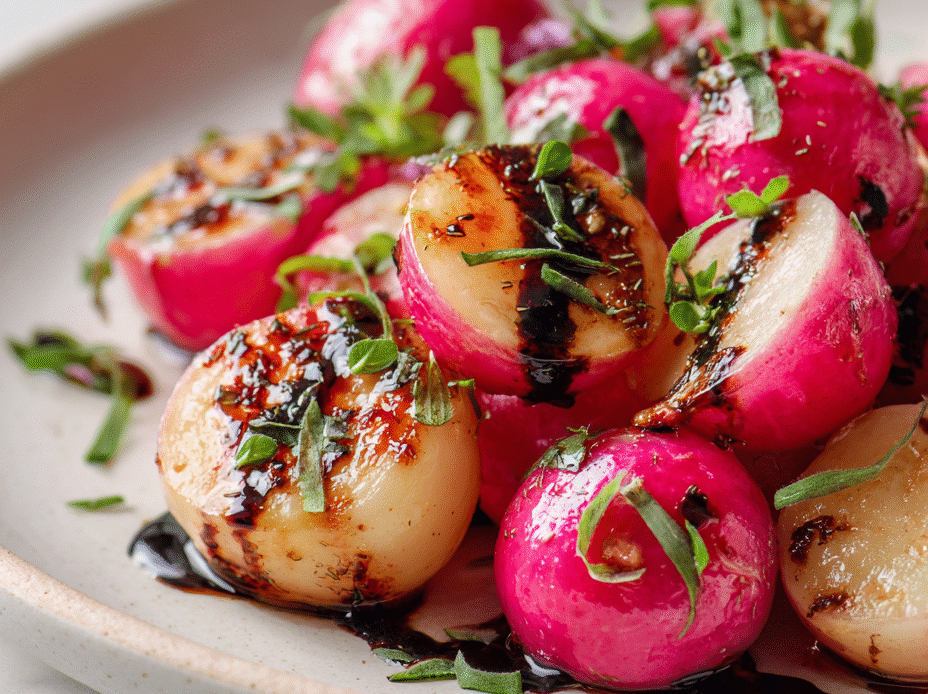
Radishes often get a bad rap as just a raw snack, but cooking them changes everything. When you toss them into a hot stir fry, their crunch softens just enough, and their peppery bite deepens into a smoky, almost caramelized note. It’s a little unexpected, but once you get that first bite, you’ll be hooked on how versatile they are beyond salads.
This recipe started as a way to use up a bunch of radishes cluttering my fridge. I was craving something quick and punchy, a dish that highlights their natural sharpness but also plays with texture and warmth. The magic happens when those radishes hit the sizzling pan—suddenly, they’re tender, smoky, and bursting with flavor, not just sharp and raw.
Cooking radishes this way feels like a small rebellion against their usual raw persona. It’s simple, fast, and makes the radish shine in a totally new way. Plus, it’s perfect for busy nights when you want something fresh and satisfying without fuss.
Using radishes in a stir fry to explore their crunch and peppery bite, transforming their raw sharpness into a tender, smoky complexity that surprises and delights.
The story behind this recipe
- This stir fry came together one hectic evening when I had a handful of radishes that looked like they needed love. Instead of tossing them raw into salads again, I wondered if they’d hold up to a quick sear, gain a bit of smoky sweetness. Turns out, they do — and with a good splash of soy and a hint of garlic, they transform into something totally different from their usual crisp bite.
- I’ve always been a little obsessed with giving humble vegetables a second shot, and radishes are no exception. Cooking them, I realized, unlocks a complexity that’s almost addictive. It’s like they shed their raw sharpness and emerge with a tender, smoky warmth, perfect for a busy weeknight or a spontaneous dinner.
- heading
- story_type
Ingredient breakdown: key components
- Radishes: I love using crisp, fresh radishes—they give a bright, peppery punch that’s almost zesty. For a milder flavor, try dahlias or watermelon radishes; they add a milder, sweeter note.
- Soy sauce: It’s my go-to for umami and saltiness, but if you’re avoiding soy, coconut aminos work. Just expect a slightly sweeter, less intense salt hit.
- Garlic: I use plenty of garlic here—its pungency mellows as it cooks, turning sweet and fragrant. For a milder aroma, add garlic later or use roasted garlic for a smoky note.
- Oil: A neutral oil like vegetable or canola keeps the stir-fry light and lets the radish’s crunch shine through. For a nuttier flavor, sesame oil works great—just use sparingly.
- Sweetener: A touch of honey or maple balances the peppery sharpness of radishes with a hint of sweetness. If you want to skip it, the dish will still be vibrant but a tad sharper.
- Vinegar: A splash of rice vinegar brightens everything up with a lemony zing. If you prefer less acidity, reduce or skip—though it really lifts the flavors.
- Optional chili: Fresh or dried chili adds heat and smoky depth. If you’re sensitive, start with a small pinch, then add more as you go.
Spotlight on key ingredients
Radishes:
- I love using crisp, fresh radishes—they give a bright, peppery punch that’s almost zesty. For a milder flavor, try dahlias or watermelon radishes; they add a milder, sweeter note.
- Soy sauce: It’s my go-to for umami and saltiness, but if you’re avoiding soy, coconut aminos work. Just expect a slightly sweeter, less intense salt hit.
Garlic:
- I use plenty of garlic here—its pungency mellows as it cooks, turning sweet and fragrant. For a milder aroma, add garlic later or use roasted garlic for a smoky note.
- Oil: A neutral oil like vegetable or canola keeps the stir-fry light and lets the radish’s crunch shine through. For a nuttier flavor, sesame oil works great—just use sparingly.
Notes for ingredient swaps
- Fresh Radishes: I prefer using crisp, peppery radishes right from the market—they give a bright, zesty punch. Try daikon or watermelon radishes for milder, sweeter notes.
- Soy Sauce: I rely on traditional soy for that umami hit, but coconut aminos are a good soy-free alternative that adds a hint of sweetness.
- Garlic: I use fresh garlic for pungency, but roasted garlic adds a smoky, mellow flavor if you prefer a softer note.
- Oil: Neutral oils like vegetable or canola keep things light, but a splash of toasted sesame oil at the end adds depth and aroma—use sparingly.
- Sweetener: Honey or maple syrup balances the peppery bite, but you can skip it for a sharper, more vibrant dish or use agave for a different sweetness.
- Vinegar: Rice vinegar brightens the dish with lemony brightness. For less acidity, reduce or omit, but it really lifts the flavors.
- Chili: Fresh or dried chilies add smoky heat—start small, then add more if you like it fiery. For milder heat, skip or use chili flakes.
Equipment & Tools
- Wok or large skillet: High heat cooking for quick stir fry
- Sharp knife: Thinly slicing radishes evenly
- Cutting board: Prepping ingredients safely
- Spatula: Tossing and mixing ingredients
Step-by-step guide to radish stir fry
- Equipment & Tools: Gather a wok or large skillet, a sharp knife, a cutting board, and a spatula. Wok for high heat stir-frying, knife and board for prep, spatula for tossing.
- Wash and trim radishes. Slice thinly on a diagonal, about 2-3 mm thick. Keep slices uniform for even cooking.
- Mince 3 cloves garlic and set aside. Prepare soy sauce, rice vinegar, and a teaspoon of honey or maple syrup.
- Heat wok over high heat until just smoking, about 200°C/392°F. Add 1 tablespoon neutral oil (vegetable, canola).
- When oil shimmers, add radish slices. Stir quickly, spreading them out. Cook for 2 minutes until they start to soften and turn slightly translucent.
- Push radishes to the sides of the wok. Add garlic to the center, cook for 30 seconds until fragrant and slightly golden.
- Mix radishes and garlic. Pour in 2 tablespoons soy sauce, 1 teaspoon rice vinegar, and honey. Toss rapidly to coat evenly.
- Continue stir-frying for another 2-3 minutes. Radishes should be tender but still have some bite, with a smoky, glazed appearance.
- Taste and adjust seasoning. If too sharp, add a touch more honey. If too salty, splash with a little water or more vinegar.
- Remove from heat. Let rest for 1 minute to allow flavors to settle. Serve hot, garnished with chopped scallions if desired.
- Resting & Finishing: Plate immediately. The radishes should be tender but maintain a slight crunch, with a smoky sheen. Serve with rice or noodles if you like.
Serve immediately while hot. Garnish with scallions or sesame seeds if desired. Rest for a minute to meld flavors before plating for best texture.
How to Know It’s Done
- Radishes are tender yet retain some crunch, with a smoky glaze.
- Aromas of garlic and soy are fragrant, not burnt or bitter.
- Radish slices are evenly coated and slightly translucent, not mushy.
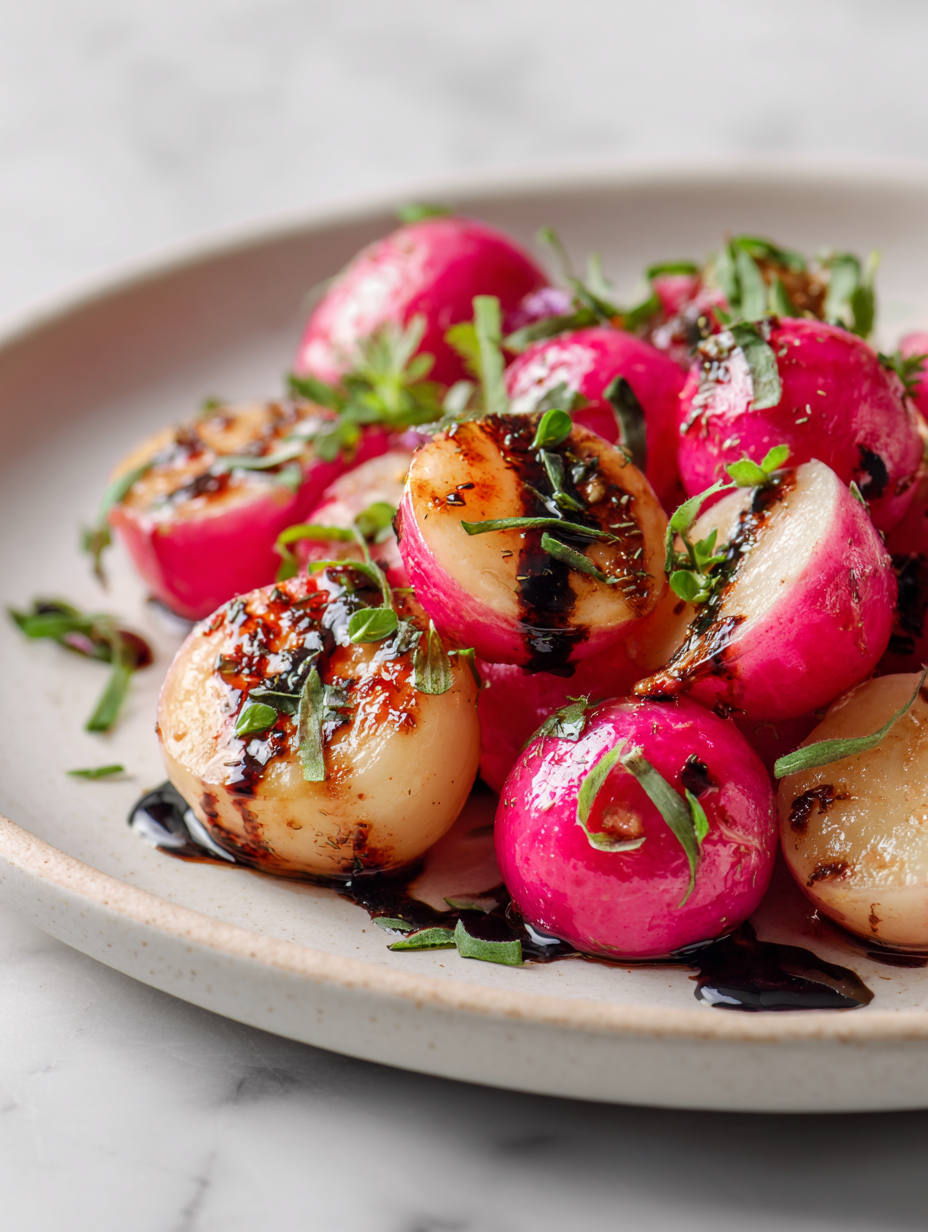
Smoky Sautéed Radishes
Ingredients
Equipment
Method
- Wash and trim the radishes, then slice them thinly on a diagonal, about 2-3 mm thick, for quick and even cooking.
- Heat your wok or large skillet over high heat until it shimmers, then add the oil. Swirl to coat the pan evenly.
- Add the sliced radishes to the hot pan in an even layer, letting them sizzle and cook for about 2 minutes until they start to turn translucent and develop a slight char on the edges.
- Push the radishes to the sides of the pan, then add the minced garlic to the center. Cook for about 30 seconds until fragrant, with a golden aroma filling the air.
- Mix the radishes and garlic together, then pour in the soy sauce, rice vinegar, and honey. Toss everything quickly to coat the radishes evenly with the glaze, listening for a gentle sizzle.
- Continue stir-frying for 2-3 minutes, stirring constantly so the radishes become tender but still retain some crunch, with a shiny, smoky glaze forming on their surface.
- Taste the radishes and adjust seasoning if needed—add more soy for saltiness, honey for sweetness, or a splash of vinegar for brightness.
- Remove from heat and let rest for a minute, allowing flavors to settle and the glaze to thicken slightly.
- Serve immediately while hot, garnished with chili flakes or fresh chili if desired, and enjoy the smoky, tender radishes with their bright glaze.
Pro tips for perfect radish stir fry
- Use high heat—about 200°C/392°F—to get that sizzling crackle without burning the garlic.
- Thinly slice radishes on a diagonal—uniform slices cook evenly and look pretty in the pan.
- Toss radishes quickly after adding soy—this keeps them crisp yet tender, with a smoky glaze.
- Add garlic at the right moment—30 seconds until fragrant, to prevent bitterness and boost aroma.
- Taste and adjust seasoning at the end—more soy for salt, honey for balance, or vinegar for brightness.
- Rest the stir fry for a minute after cooking—this helps flavors meld and radishes set with a glossy sheen.
- Keep a close eye—radishes turn tender fast, so stir constantly to avoid mushy texture or burnt bits.
Common mistakes and how to fix them
- FORGOT to thinly slice radishes → Slice evenly for quick, uniform cooking.
- DUMPED all ingredients at once → Add ingredients gradually, building flavor step-by-step.
- OVER-TORCHED the radishes → Stir constantly; remove from heat once they are tender and slightly smoky.
- USED cold oil → Heat oil until just shimmering before adding radishes for crispness.
Quick fixes and pantry swaps
- If radishes are limp, splash with ice water for 5 seconds to revive their crunch.
- When sauce is too salty, add a pinch of sugar or a splash of water to balance flavors.
- Splash soy sauce on hot pan to prevent sticking and enhance umami aroma.
- Patch over burnt spots with a fresh radish slice and stir quickly for even cooking.
- Shield delicate radish slices from high heat by tossing gently and removing from direct flame.
Prep, store, and reheat tips
- Prep radishes by washing and slicing thinly; store in an airtight container in the fridge for up to 2 days. They stay crisp and fresh, ready to hit the pan.
- You can mix the sauce (soy, vinegar, honey) in advance. Keep in a jar in the fridge for up to 3 days; flavors meld and intensify.
- Refrigerate sliced radishes separately from sauce to maintain crunch. Reheat stir-fry quickly over high heat—just 1-2 minutes—to revive the smoky, tender radishes.
- Radishes may lose some of their snap after a day or two, but their smoky flavor deepens. Reheating will soften them further, so aim to serve fresh if possible.
- For best reheating results, do it in a hot skillet without additional oil. Look for the crackling sound and a glossy sheen to confirm they’re heated through.
FAQs about radish stir fry
1. How do cooked radishes taste compared to raw?
Radishes are naturally peppery and crisp, but cooking softens their bite and adds smoky, caramelized notes. They become tender yet still retain some crunch, with a flavor deepening into almost roasted sweetness.
2. Why slice radishes thinly and diagonally?
Thinly slicing radishes helps them cook quickly and evenly, ensuring they soften without becoming mushy. A diagonal cut adds visual appeal and more surface area for flavor absorption.
3. What’s the best temperature for stir-frying radishes?
Using high heat (around 200°C/392°F) creates that satisfying crackle and helps develop a smoky flavor without burning. Keep the radishes moving in the pan for even cooking.
4. When should I add garlic during cooking?
Adding garlic early ensures it releases its aroma and mellows nicely, but be careful not to burn it—remove from heat if it starts to smell bitter or scorched.
5. How much vinegar should I add?
A splash of rice vinegar brightens the dish with lemony zing and balances the smoky sweetness. Adjust to taste, especially if you prefer sharper or milder flavors.
6. How do I know when radishes are perfectly cooked?
Stir-fry radishes quickly and toss constantly to prevent overcooking. They should be tender but still have a slight crunch, with a glossy, smoky glaze.
7. Can I use a soy-free alternative?
Substituting coconut aminos for soy sauce reduces saltiness and adds a subtle sweetness. Use the same amount and adjust seasoning as needed.
8. How can I revive limp radishes?
If radishes lose their crunch overnight, splash them with ice water for 5 seconds. They’ll regain some firmness and snap in the pan.
9. How do I prevent soggy radishes?
Keep your pan hot and ingredients ready; overloading can cause steaming instead of frying, leading to soggy radishes. Work in batches if needed.
10. How do I reheat leftovers without losing texture?
Reheat in a hot skillet for 1-2 minutes, stirring constantly. The smoky aroma and crisp-tender texture will come back quickly, especially if you add a splash of water or soy.
Cooking this radish stir fry reminds me how humble ingredients can surprise you. The smoky, tender radishes bring a fresh perspective to a simple weeknight meal. It’s one of those dishes that feels both familiar and a little rebellious, especially when the radishes turn silky and caramelized in the pan.
In a way, it’s a reminder to look beyond the raw and raw-looking. Sometimes, patience and high heat unlock flavors that are unexpectedly rich and complex. No matter how busy or tired I am, a quick stir fry like this makes me feel like I’ve rediscovered a secret ingredient—radishes—worthy of a little more respect.

Hi, I’m Jonny Andrew Miller, the cook, taster, and slightly messy mind behind Bite & Boom. I live in Austin, Texas, a city that smells like barbecue smoke, fresh tortillas, and late-night tacos if you wander long enough. It suits me.