
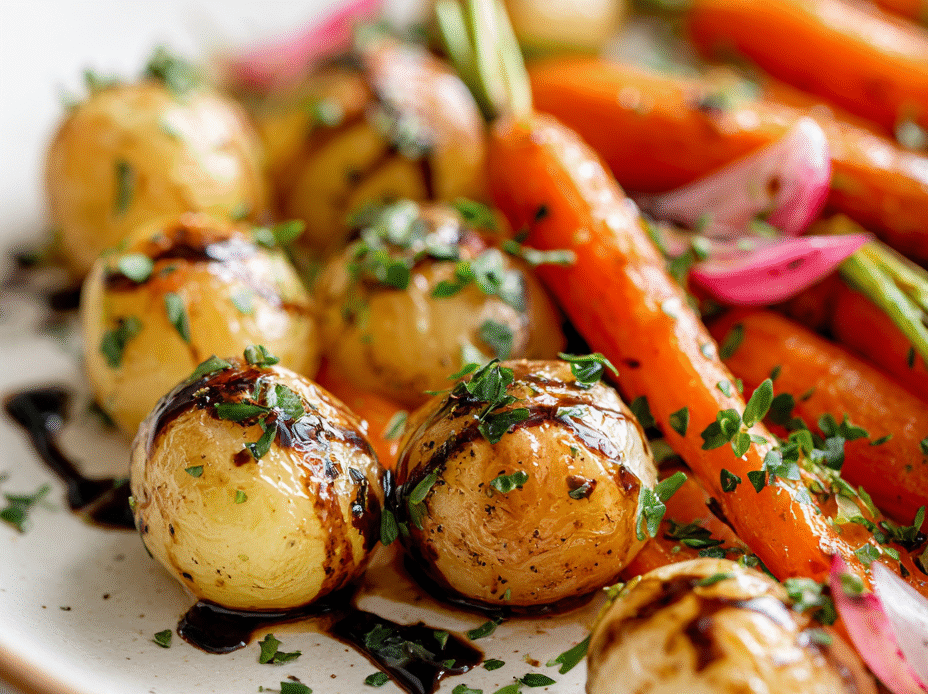
Radishes and carrots are often overlooked in the vegetable lineup, dismissed as mundane or merely crunchy sidekicks. But when roasted, their natural sugars bloom into something entirely different—caramelized, smoky, and unexpectedly rich. It’s a simple trick that turns humble roots into a star on the plate, especially when you’re craving something both nostalgic and refreshingly new.
This recipe is about celebrating those overlooked vegetables and giving them a moment to shine. Roasting draws out their sweet side, softening their bite and adding a touch of char that makes every bite feel like a small, smoky revelation. It’s honest cooking—no fancy sauces, just the vegetables, their own flavors amplified by heat and a little patience.
Most of all, it’s a reminder that simple ingredients can surprise you, especially when you let them develop those deep, sweet notes. Perfect for a quick weeknight side or an easy addition to a weekend spread, these roasted radishes and carrots prove that sometimes, the best dishes are the most straightforward.
Focusing on the overlooked sweetness of roasted radishes and carrots, highlighting how their natural sugars amplify through caramelization, transforming humble root vegetables into a surprisingly rich, smoky side that balances earthy and sweet flavors in a way that feels both nostalgic and fresh.
The story behind this recipe
One winter, I was rummaging through my fridge and spotted a bunch of those stubborn radishes I’d bought on a whim. They’d been sitting there, a little too firm and a little too bright, but I remembered how roasting can turn even the most unassuming veggies into something unexpectedly tender and sweet. That night, I threw them in with some carrots I was already roasting, just to see what would happen. The aroma that filled the kitchen—smoky, sweet, with a hint of earth—made me realize these overlooked roots could really shine. Since then, I keep that combo on hand, a simple reminder that sometimes, the best dishes come from the most humble ingredients, just needing a little heat and patience.
Ingredient breakdown: key components
- Radishes: I love the slight peppery bite when raw, but roasting turns them sweet and tender—think smoky with a hint of caramel. If they’re too firm, slice thinner or roast longer.
- Carrots: Their natural sweetness really blooms in the oven, developing a deep, almost toasty flavor. For a more caramelized finish, cut them into uniform pieces so they cook evenly.
- Olive oil: I prefer a good extra virgin—gives a fruity, rich base that helps vegetables caramelize. If you want a milder taste, swap for avocado oil, which also handles high heat well.
- Salt & pepper: Basic but essential—boosts the natural flavors. Don’t skimp; a good pinch makes all the difference in balancing the sweetness.
- Herbs (optional): A sprinkle of thyme or rosemary adds a fragrant note. Fresh herbs go on after roasting for a bright contrast, but dried during roasting for depth.
- Vinegar or lemon: A splash right after roasting, brightens the whole dish with a zingy, almost citrus glow. Skip if you prefer a more subdued, earthy flavor.
- Optional sweetener: A drizzle of honey or maple syrup can enhance caramelization if you’re craving an even richer, smoky-sweet finish. Use sparingly—balance is key.
Spotlight on key ingredients
Radishes:
- I love their peppery snap raw, but roasting turns them sweet, smoky, almost caramelized. When they’re too firm, slice thinner or roast longer.
- Carrots: Their natural sugar deepens in flavor when roasted. For even caramelization, cut uniformly, watch for overcooking to avoid mush.
Olive oil:
- I prefer a good extra virgin—it gives a fruity, rich base that helps veggies caramelize. Swap for avocado oil if you want a milder, high-heat option.
- Salt & pepper: They’re simple but essential—boosts natural sweetness and adds depth. Don’t skimp, a good pinch makes a real difference.
Notes for ingredient swaps
- Dairy-Free: Swap butter for olive oil or coconut oil—still rich, but with a different, slightly tropical note.
- Herbs: Fresh thyme or rosemary can be replaced with dried versions—just use less, as their potency differs.
- Sweetener: Maple syrup or honey can be swapped for agave syrup—both add sweetness but vary in depth and floral notes.
- Vinegar: Apple cider vinegar can be replaced with lemon juice for a brighter, citrusy kick that cuts through the sweetness.
- Oil: If you don’t have olive oil, avocado oil works well at high heat and has a mild, buttery flavor.
- Carrots: Parsnips or sweet potatoes can stand in—offer different sweetness and earthiness but still roast well.
- Radishes: Turnip or kohlrabi slices can replace radishes—milder, but still absorb flavors and develop caramelization.
Equipment & Tools
- Large baking sheet: To hold and evenly roast the vegetables.
- Parchment paper: For easy cleanup and prevent sticking.
- Mixing bowl: To toss vegetables with oil and seasonings.
- Spatula or tongs: To flip vegetables during roasting.
- Knife and cutting board: To prepare and cut the vegetables.
Roasted Radishes & Carrots Guide
- Preheat your oven to 200°C (400°F). Gather a large baking sheet and line it with parchment paper for easy cleanup.
- Wash and dry 1 bunch of radishes and 4-5 carrots. Trim the tops if needed. Cut radishes in halves or quarters if large; slice carrots into uniform sticks about 1/2 inch thick.
- In a large bowl, toss the radishes and carrots with 2-3 tablespoons of olive oil, ensuring all pieces are evenly coated. Sprinkle generously with salt and pepper, and add any herbs if using.
- Spread the vegetables in a single layer on the prepared baking sheet. Ensure they aren’t crowded—use two sheets if needed to prevent steaming.
- Roast in the oven for 25-30 minutes, flipping once halfway through. The edges should turn golden and slightly charred, with a fragrant, sweet aroma filling the kitchen.
- Check for doneness: the vegetables should be soft and caramelized, with a smoky edge. If they’re too firm, roast for another 5-10 minutes.
- Remove from oven, drizzle with a splash of vinegar or lemon juice for brightness, and toss gently. Let rest for 2-3 minutes before serving to allow flavors to meld.
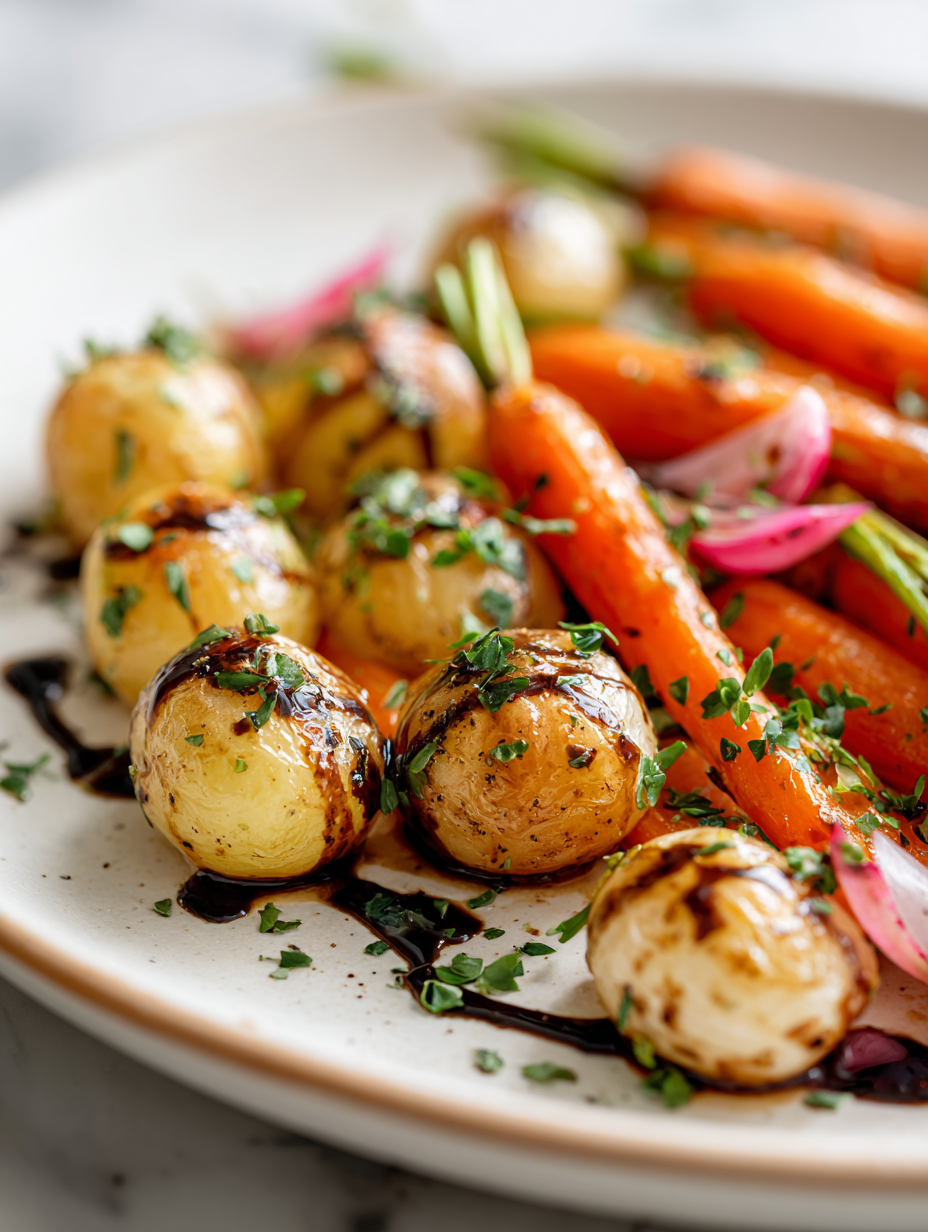
- Plate the roasted radishes and carrots, garnished with fresh herbs if desired. Serve hot or at room temperature, with a slight char and tender interior.
Let the roasted vegetables rest for a couple of minutes. Finish with a splash of vinegar or lemon for contrast, then serve warm or at room temperature.
How to Know It’s Done
- Edges are deep golden with some charred spots.
- Vegetables are tender when poked with a fork.
- A fragrant, sweet aroma is noticeable before removing from oven.
Roasted Radishes and Carrots
Ingredients
Equipment
Method
- Preheat your oven to 200°C (400°F) and line a large baking sheet with parchment paper.
- Wash and dry the radishes and carrots. Trim the radishes and cut them in halves or quarters if large. Slice the carrots into uniform 1/2 inch sticks for even roasting.
- Place the prepared vegetables in a large mixing bowl. Drizzle with 2-3 tablespoons of olive oil, then sprinkle generously with salt and pepper. Toss everything together until the vegetables are evenly coated with oil and seasonings.
- Spread the vegetables out in a single layer on the prepared baking sheet. Make sure not to overcrowd the pan so they can roast evenly and develop a nice caramelized crust.
- Roast in the oven for 25-30 minutes, flipping the vegetables halfway through. Look for golden edges and some slight charring, with a fragrant, sweet aroma filling your kitchen.
- Check the vegetables for doneness; they should be tender and caramelized around the edges. If needed, roast for an additional 5-10 minutes to reach your desired softness and color.
- Remove the vegetables from the oven. Drizzle with a teaspoon or two of vinegar or lemon juice for a bright, fresh contrast. Toss gently to distribute evenly.
- Let the vegetables rest for a couple of minutes to allow flavors to meld. Garnish with fresh herbs if desired, and serve warm or at room temperature.
Pro tips for roasting radishes and carrots
- Bolded mini-head: Use high heat for quick caramelization—crisp edges and smoky aroma develop fast.
- Bolded mini-head: Toss vegetables thoroughly in oil—ensure every piece gets a shiny, even coating for even browning.
- Bolded mini-head: Flip halfway through roasting—this prevents uneven charring and promotes consistent color.
- Bolded mini-head: Keep an eye near the end—edges can go from perfect to burnt quickly, especially if your oven runs hot.
- Bolded mini-head: Add vinegar or lemon after roasting—brightens flavors and balances the natural sweetness.
- Bolded mini-head: Don’t overcrowd the pan—use two sheets if needed, so vegetables roast instead of steam.
- Bolded mini-head: For extra smoky flavor, broil for the last 2-3 minutes—watch closely to avoid charring too much.
Common mistakes and how to fix them
- FORGOT to dry radishes; they steam. Pat them dry thoroughly before roasting.
- DUMPED too much oil; vegetables won’t caramelize. Use just enough for a light coat.
- OVER-TORCHED the edges; burn bitterness. Roast at correct temp and watch closely near the end.
- MISSED flipping; uneven browning. Turn vegetables halfway for uniform caramelization.
Quick fixes and pantry swaps
- When veggies look burnt, lower oven temperature and extend roasting time.
- Splash a little water on vegetables to revive slight dryness—then quick-roast for 5 more minutes.
- Patch over uneven charring with fresh herbs or a drizzle of lemon to mask burnt edges.
- DUMPED too much oil causing sogginess? Blot with paper towels before roasting again.
- Splash a splash of vinegar or lemon when vegetables are too bland—adds brightness and balances sweetness.
Prep, store, and reheat tips
- Prep the vegetables by washing, trimming, and slicing a day ahead; keep radishes and carrots in airtight containers in the fridge—crisp and bright for up to 24 hours. Their natural snap is best preserved when fresh.
- Roasted radishes and carrots can be stored in an airtight container in the fridge for up to 3 days. The flavors deepen slightly, and the smoky sweetness intensifies overnight. Reheat gently to avoid sogginess.
- For reheating, warm in a low oven (about 150°C / 300°F) for 10-15 minutes or until heated through, until you smell that sweet, roasted aroma again—don’t rush it, or they’ll lose their tender, caramelized texture.
- If you want to prepare in advance, roast the vegetables and cool completely before storing. When reheating, expect a slight softening but still enjoy the smoky, sweet notes. The texture won’t be as crisp but remains flavorful.
Top questions about roasted radishes and carrots
1. What happens to radishes and carrots when roasted?
Roasted radishes turn sweet and smoky, softening their peppery bite. Carrots deepen into a caramelized, tender state. The roasting process amplifies their natural sugars, creating a rich, complex flavor that’s surprisingly satisfying.
2. How can I make radishes and carrots more crispy or tender?
To keep radishes crispy, cut them into smaller pieces and roast at a higher temperature for a shorter time. For softer, more caramelized veggies, slice thicker and extend roasting to 30 minutes.
3. Can I substitute different oils?
Use a good quality extra virgin olive oil for a fruity, rich flavor that helps with caramelization. If you prefer a milder taste, swap in avocado oil, which handles high heat well and adds a subtle buttery note.
4. Can I add other seasonings or herbs?
Yes. If you don’t have fresh herbs, dried versions work but use less—about half as much. For a sweeter flavor, add a drizzle of honey or maple syrup before roasting.
5. How do I know when they’re done?
Roast vegetables until edges are deeply golden and slightly charred, and they feel tender when pierced with a fork. The aroma should be sweet and smoky, with a slight crackle from caramelized edges.
6. Any tips to prevent uneven roasting?
When roasting, spread the vegetables in a single layer without crowding the pan. Turn them halfway through to ensure even caramelization. Keep an eye on the edges towards the end to prevent burning.
7. What if they’re not soft enough?
If radishes or carrots are too firm after roasting, give them a few more minutes in the oven. If they start to burn, reduce the temperature slightly and check every 5 minutes.
8. Should I add anything after roasting?
Adding a splash of lemon juice or vinegar right after roasting brightens the dish and balances the natural sweetness. It also enhances the smoky flavor with a fresh, zingy lift.
9. How should I store leftovers?
Roasted radishes and carrots can be stored in the fridge for up to 3 days. Reheat gently in a low oven or warm skillet to revive their tender, caramelized texture and smoky aroma.
10. What if they get burnt or uneven?
If vegetables look overly burnt, lower the oven temperature for the next batch or cover with foil during roasting. For uneven charring, turn them more often or finish with a quick broil for a smoky touch.
Roasted radishes and carrots might seem simple, but their transformation during roasting is something I keep coming back to. The way their natural sugars deepen and their edges turn smoky is a reminder that humble ingredients can surprise with flavor. It’s honest, unpretentious cooking that feels both satisfying and a little poetic.
Whenever I make this, I think about how a straightforward approach can bring out the best in everyday veggies. It’s not about complicated techniques, but about patience and letting heat do its work. Sometimes, the simplest dishes are the ones that stick with us the longest.

Hi, I’m Jonny Andrew Miller, the cook, taster, and slightly messy mind behind Bite & Boom. I live in Austin, Texas, a city that smells like barbecue smoke, fresh tortillas, and late-night tacos if you wander long enough. It suits me.