
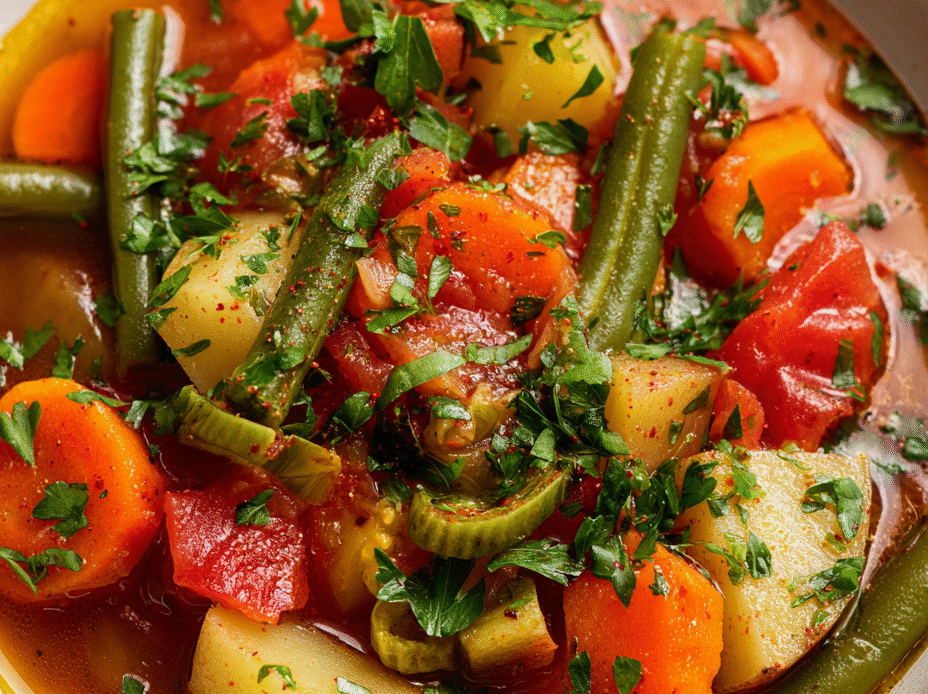
There’s something about the slow, steady heat of a crockpot that makes vegetables taste richer, almost sweeter. I love how this method turns a handful of humble ingredients into something surprisingly flavorful with minimal effort, especially after a busy day. It’s like giving vegetables a long, warm hug, letting their natural sweetness and earthy notes come forward.
This recipe isn’t about fancy ingredients or complicated techniques. It’s about practicality — throwing everything in, setting it, and forgetting it until the house fills with that comforting aroma. It’s perfect for those evenings when you want dinner to be simple, nourishing, and almost effortless to pull together. Plus, the leftovers taste even better the next day, mellowed and deeply satisfying.
This recipe focuses on how a humble crockpot can turn simple vegetables into a deeply flavorful, comforting soup without much fuss, highlighting the magic of slow-cooking for busy weeknights or lazy weekends.
The story behind this recipe
- This soup came from a day when I needed something warm and nourishing, but didn’t want to stand over the stove for hours. I tossed a bunch of odds and ends from my fridge into the crockpot and let it do its magic. The smell of simmering vegetables, slowly transforming, always takes me back to my childhood kitchen—simple, honest, full of love.
- Once, I was sick and craving comfort food that wouldn’t require much effort. I threw in everything I had—carrots, potatoes, a handful of greens—and let it cook all day. When I finally ladled it out, that rich, fragrant broth just made everything feel a little better. It’s become my go-to for busy days, or when I want a meal that’s honest and unpretentious.
- heading
- story_type
Ingredient breakdown: key components
- Carrots: I love how their natural sweetness intensifies after slow cooking, becoming tender and almost jammy—feel free to add a splash of honey if you want a sweeter kick.
- Celery: Its fresh, slightly peppery aroma adds a subtle depth. If you dislike the stringy bits, chop smaller or replace with fennel for a milder, anise-like flavor.
- Onions: They turn soft and translucent, releasing a savory aroma that wafts through the kitchen. To boost sweetness, sauté briefly before tossing in the crockpot.
- Potatoes: I prefer Yukon Golds—they break down just enough for that silky texture. Russets will get mushier, so cube accordingly or skip if you want chunkier bites.
- Canned tomatoes: Their bright, slightly tangy flavor really balances the earthiness of the vegetables. For a smoky note, stir in a dash of smoked paprika or chipotle powder.
- Vegetable broth: I use homemade when I can, but store-bought works fine. For richer flavor, add a splash of soy sauce or a squeeze of lemon right before serving.
- Herbs & spices: Bay leaves and thyme are my go-tos—let them simmer for at least an hour to unlock their full aroma. Fresh herbs added at the end keep their vibrant scent and color.
Spotlight on key ingredients
Carrots and Celery:
- Carrots: I love how their natural sweetness intensifies after slow cooking, becoming tender and almost jammy—feel free to add a splash of honey if you want a sweeter kick.
- Celery: Its fresh, slightly peppery aroma adds a subtle depth. If you dislike the stringy bits, chop smaller or replace with fennel for a milder, anise-like flavor.
Onions and Potatoes:
- Onions: They turn soft and translucent, releasing a savory aroma that wafts through the kitchen. To boost sweetness, sauté briefly before tossing in the crockpot.
- Potatoes: I prefer Yukon Golds—they break down just enough for that silky texture. Russets will get mushier, so cube accordingly or skip if you want chunkier bites.
Notes for ingredient swaps
- Dairy-Free: Use coconut milk or dairy-free cream for a creamy texture, but expect a slightly sweeter, coconut aroma.**
- Vegetable Broth: Swap with mushroom or miso broth for a richer, umami flavor—just adjust salt accordingly.**
- Tomatoes: Use roasted red peppers blended smooth as a smoky, sweet alternative, especially if you dislike acidity.**
- Herbs: Fresh basil or parsley can replace thyme or bay leaves—add at the end for vibrant, fresh aroma.**
- Onions: Leeks or shallots can be used instead, offering a milder, slightly sweeter onion note.**
- Potatoes: Cauliflower florets can be a lighter, lower-carb substitute, adding a subtle earthiness.**
- Spices: Add smoked paprika or chipotle powder for a smoky depth, especially if using milder vegetables.
Equipment & Tools
- Large slow cooker: To cook everything evenly over several hours without supervision.
- Chef’s knife: For chopping vegetables precisely and safely.
- Cutting board: Provides a stable surface for prep work.
- Wooden spoon: To stir the ingredients gently during cooking.
- Ladle: For serving the soup neatly into bowls.
Step-by-step guide to vegetable soup
- Equipment & Tools: Gather a large slow cooker (6-8 quart), a sharp chef’s knife, a cutting board, a wooden spoon, and a ladle for serving.
- Prep vegetables. Peel and chop carrots and potatoes into bite-sized pieces, roughly 1-inch. Dice celery and onions finely.
- Sauté aromatics. In a small skillet over medium heat (~160°C/320°F), warm a tablespoon of oil. Cook onions and celery until translucent and fragrant—about 5 minutes. Transfer to the crockpot.
- Layer ingredients. Add carrots, potatoes, canned tomatoes (with juice), and your preferred herbs (like thyme and bay leaves) into the crockpot. Pour in 4 cups (1 liter) of vegetable broth.
- Cook low and slow. Cover and set to low (~93°C/200°F). Let it simmer for 6-8 hours. The house will fill with a rich, earthy aroma, and the vegetables will soften beautifully.
- Check for doneness. After the cooking time, open the lid. The vegetables should be tender and the broth flavorful. If not, cook for another 30 minutes.
- Final taste and adjustments. Remove bay leaves. Taste and add salt, pepper, or a squeeze of lemon for brightness if needed. Stir well.
- Rest and serve. Ladle the soup into bowls. If you prefer a creamier texture, blend part of the soup with an immersion blender. Serve hot with crusty bread or a sprinkle of fresh herbs.
Once cooked, turn off the crockpot and let the soup rest for 10 minutes. Remove bay leaves and stir in fresh herbs if desired. Serve hot in bowls, garnished with a drizzle of olive oil or a sprinkle of herbs for extra aroma and color.
How to Know It’s Done
- Vegetables are tender and easily pierced with a fork.
- Broth is fragrant, slightly thickened, and bubbling gently.
- Soup has a balanced, savory aroma—no raw vegetable smell remains.
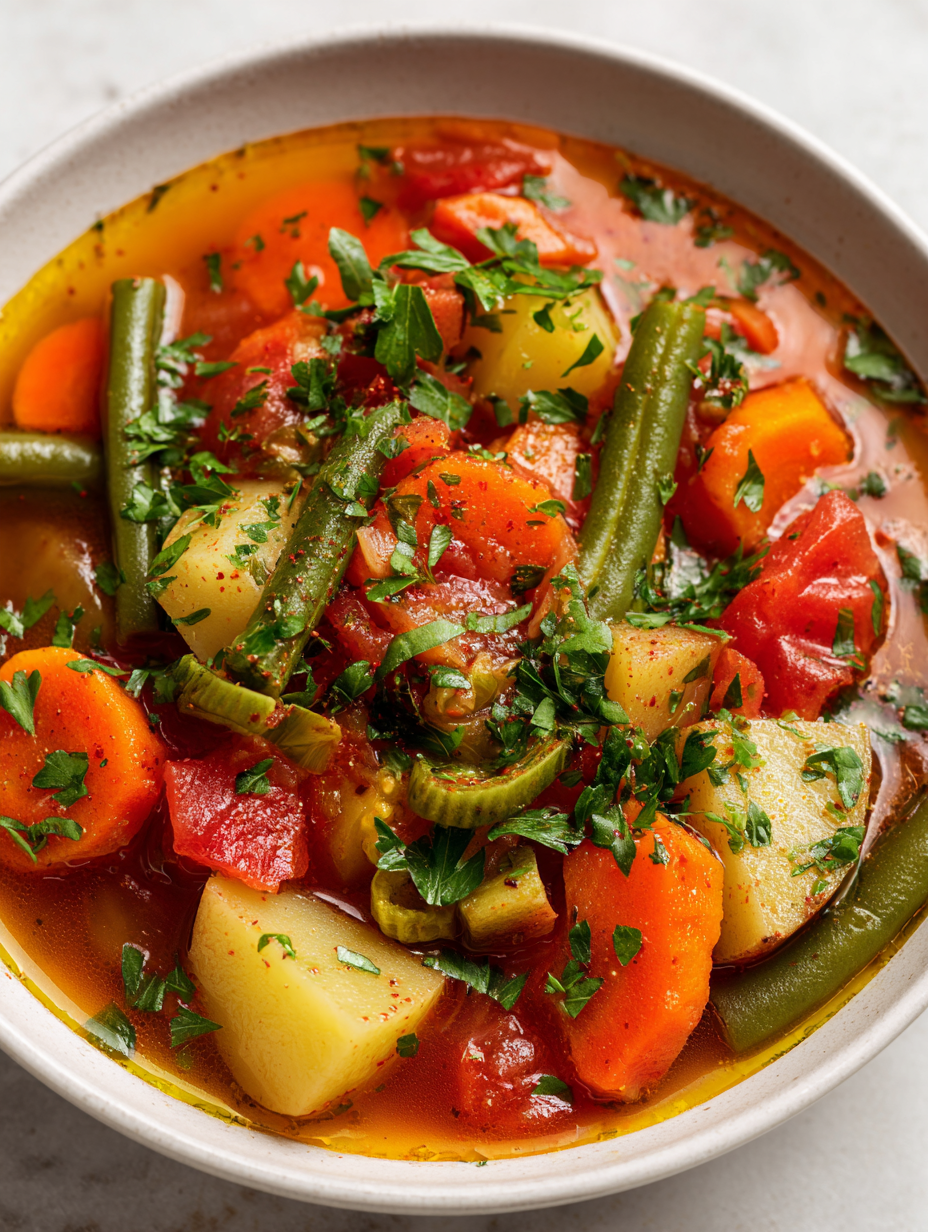
Slow Cooker Vegetable Soup
Ingredients
Equipment
Method
- Gather your ingredients: peel and chop carrots, dice celery and onion, and cube the potatoes. Set everything aside for easy assembly.
- In a skillet over medium heat, warm a tablespoon of oil. Sauté the diced onion and celery until they turn translucent and fragrant, about 5 minutes. This enhances their sweetness and aroma.
- Transfer the sautéed onions and celery into the slow cooker. Add the chopped carrots, cubed potatoes, canned tomatoes with juice, bay leaves, and thyme.
- Pour in the vegetable broth, covering all the ingredients evenly. Stir gently to combine everything and distribute the herbs and vegetables.
- Cover the crockpot and set it to low. Let it cook for 6 to 8 hours, until the vegetables are tender and the broth is fragrant and slightly thickened. The house will fill with a warm, earthy aroma.
- Once cooking is complete, open the lid and remove the bay leaves. Taste the soup and season with salt and pepper as needed, stirring to incorporate the flavors.
- Use a ladle to serve the soup hot into bowls. For a creamier texture, you can blend a portion of the soup with an immersion blender directly in the crockpot until smooth, then stir back in.
- Enjoy your comforting bowl of slow-cooked vegetable soup, perfect with crusty bread or a sprinkle of fresh herbs for extra freshness.
Notes
Pro tips for vegetable soup
- BOLD VEGETABLES: Sear root vegetables briefly in a hot skillet before adding to deepen their natural sweetness and add a hint of caramelization.
- LAYER FLAVORS: Add herbs like thyme and bay leaves early for a more integrated, aromatic broth—don’t skip this step.
- CHOP SMALL: Cut softer vegetables into smaller pieces so they break down evenly and meld into the broth without becoming mushy.
- TASTE OFTEN: Check seasoning at the end; a splash of lemon juice or a pinch of salt can brighten the whole soup instantly.
- VARIATION: For extra richness, stir in a spoonful of tomato paste or a splash of coconut milk during the last 30 minutes.
- SLOW AND LOW: Keep the crockpot on low for maximum flavor development; rushing with high heat can dull the depth of taste.
- FINISH WITH FRESH: Add fresh herbs just before serving for a pop of color and vibrant aroma that freshens the dish.
Common mistakes and how to fix them
- FORGOT to brown vegetables before slow cooking — add a quick sauté to deepen flavor.
- DUMPED too much liquid — reduce broth slightly for a thicker, more concentrated soup.
- OVER-TORCHED the soup — keep an eye on the last hour to prevent burning or sticking.
- SKIPPED seasoning adjustments — taste and tweak salt or acidity before serving for balance.
Quick Fixes and Pantry Swaps
- When sauce is too thin → splash of cornstarch slurry thickens instantly.
- If soup lacks flavor → add a dash of soy sauce or lemon juice for brightness.
- Splash some vinegar if the vegetables taste dull or flat.
- Patch overcooked veggies by blending part of the soup for creaminess.
- Shield from burning by stirring frequently during the last hour to prevent sticking.
Prep, store, and reheat tips
- Chop all vegetables the night before; store in airtight containers in the fridge for up to 24 hours. The aroma of fresh cut carrots and celery makes prep feel less mundane.
- You can assemble the entire soup (minus the broth) a day ahead. Keep it covered in the fridge for up to 24 hours. The flavors meld better after a night in the cold—just give it a good stir before cooking.
- Leftovers keep well in the fridge for 3-4 days. Reheat in a pot over medium heat, stirring occasionally, until bubbling—watch for that fragrant, simmering aroma when it’s ready.
- For longer storage, freeze portions in airtight containers for up to 3 months. Thaw overnight in the fridge and reheat thoroughly, expecting the vegetables to soften further and flavors to deepen.
Top questions about Crockpot Vegetable Soup
1. Can I skip sautéing the vegetables?
Yes, you can skip sautéing if you’re in a rush; just add raw vegetables directly into the crockpot. The flavor might be slightly milder but still delicious.
2. Can I customize the vegetables in this soup?
Absolutely. Use any seasonal or leftover vegetables you have. Just chop them into similar-sized pieces for even cooking.
3. Is this soup suitable for vegans?
Yes, you can make it vegan by using vegetable broth and skipping any dairy or animal-based ingredients. It’ll still be hearty and satisfying.
4. How long does the soup last in the fridge?
The soup is best served hot, but you can store leftovers in the fridge for 3-4 days. Reheat gently on the stove until steaming and fragrant.
5. Can I add other ingredients like beans or pasta?
Yes, this recipe is flexible. You can add beans, lentils, or even pasta near the end of cooking for extra bulk and texture.
6. Should I cook on low or high heat?
The slow cooker benefits from low and slow cooking to develop flavors fully. Cooking on high can cause vegetables to become mushy and flavors to dull.
7. Can I freeze leftovers?
Yes, you can freeze the soup in airtight containers for up to 3 months. Thaw overnight in the fridge and reheat until bubbling.
8. How do I fix bland soup?
Adjust the seasoning after cooking. Sometimes, a splash of lemon juice or a pinch of salt can brighten the flavors just before serving.
9. Can I add fresh herbs?
Absolutely. Use herbs like parsley, cilantro, or basil at the end for a fresh burst of flavor and color.
10. How can I make it spicy?
Yes, this soup can be made spicy by adding chili flakes, hot sauce, or a dash of cayenne pepper during cooking. Adjust to taste.
This soup is more than just a cozy meal; it’s a reminder that simplicity often yields the most satisfying flavors. The slow-cooked vegetables develop a richness that feels like a warm hug on a busy day. It’s perfect for when you want nourishment without fuss, especially as the season shifts and fresh ingredients become less abundant.
There’s a quiet satisfaction in knowing that this humble, adaptable dish can be thrown together effortlessly and still deliver deep, comforting flavor. It’s a little act of kindness for yourself—easy, honest, and rooted in the joy of everyday cooking.

Hi, I’m Jonny Andrew Miller, the cook, taster, and slightly messy mind behind Bite & Boom. I live in Austin, Texas, a city that smells like barbecue smoke, fresh tortillas, and late-night tacos if you wander long enough. It suits me.