
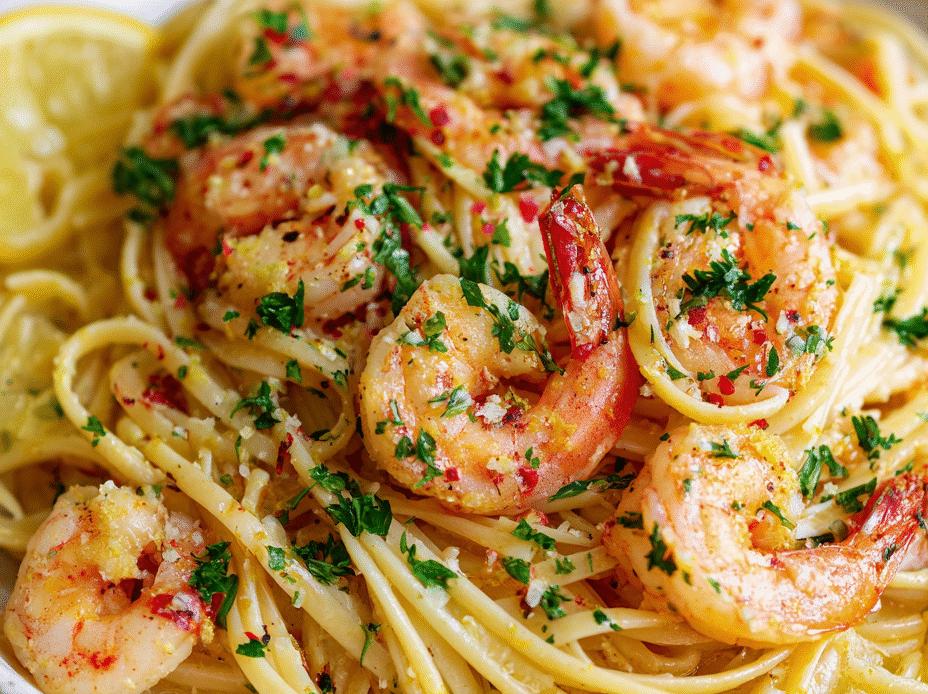
Focusing on the overlooked importance of the pasta water’s starchy magic in creating a silky, flavorful sauce that clings perfectly to every shrimp and strand of linguine. It’s a small detail that makes a big difference, especially when you’re trying to elevate a simple weeknight dinner into something a bit more special.
This recipe isn’t about fancy ingredients or complicated techniques; it’s about harnessing the humble pasta water and the natural sweetness of shrimp. I’ve found that paying attention to these small details transforms the dish from pedestrian to memorable, with a glossy, well-seasoned sauce that feels almost luxurious without extra fuss.
Cooking this dish reminds me that sometimes, the simplest ingredients—shrimp, linguine, a splash of lemon—are enough when you treat them with care. It’s a reminder that a little patience and focus on the basics can turn an everyday meal into something you’ll want to make again and again.
Focusing on the overlooked importance of the pasta water’s starchy magic in creating a silky, flavorful sauce that clings perfectly to every shrimp and strand of linguine.
The overlooked power of pasta water
- I remember the first time I nailed this dish—shrimp perfectly tender, pasta silky, and that burst of lemon making everything sing.
- There’s a chaotic joy in tossing everything together in the pan, knowing it’ll come out better than the last attempt.
- Cooking this reminds me of summer nights by the coast, where fresh seafood and simple pasta made the best memories.
- I used to shy away from cooking seafood at home, but this recipe proved I can do it without fuss, just patience and good heat.
- Getting that glossy, slightly smoky sauce coats each strand of linguine feels like a small victory every single time.
The story behind this recipe
This dish was born out of a busy weeknight craving for something comforting yet quick. I was tired of the usual lemon-and-garlic routine and wanted to try something that highlighted the shrimp’s natural sweetness, but with a little smoky edge. One evening, I threw together what I had — a splash of wine, some chili flakes, and a handful of linguine — and the result was a surprisingly rich, glossy sauce that clung perfectly to each strand. It’s funny how a small tweak can turn a simple meal into a little celebration.
Historical and Cultural Insights
- Shrimp linguine has roots in coastal Italian cooking, where fresh seafood meets simple pasta for quick, flavorful meals.
- The dish gained popularity in the American seaside towns of the 20th century, blending Italian tradition with local seafood abundance.
- Using linguine instead of spaghetti allows the sauce to cling better, highlighting the shrimp’s sweet, briny flavor.
- This recipe often appears in family cookbooks, passed down as a comfort food that’s quick enough for weeknights but special enough for guests.
Ingredient breakdown
- Shrimp: I love using deveined, tail-on shrimp for better presentation and flavor. Their briny sweetness really stands out—don’t skip the quick rinse to remove any residual grit.
- Linguine: It’s the backbone here, so I prefer a good-quality one that’s a bit thicker. The flat shape helps the sauce cling beautifully, making each bite satisfying.
- Garlic: Fresh, thinly sliced garlic releases a fragrant, almost nutty aroma as it cooks—watch it closely, it can turn bitter quickly if overdone.
- Pasta Water: Always save a cup before draining. Its starchy magic is what makes the sauce silky—use a little at a time until it feels just right.
- Lemon: Brightens everything with a zesty punch—don’t skimp, especially on the zest, to cut through the richness and keep it fresh.
- Olive Oil: Use a good extra virgin—its fruity, peppery notes add depth. Warm it gently in the pan to start building flavor from the bottom up.
Spotlight on key ingredients
Shrimp:
- I love using deveined, tail-on shrimp for better presentation and flavor. Their briny sweetness really stands out—don’t skip the quick rinse to remove any residual grit.
- Linguine: It’s the backbone here, so I prefer a good-quality one that’s a bit thicker. The flat shape helps the sauce cling beautifully, making each bite satisfying.
Lemon and Garlic:
- Lemon: Brightens everything with a zesty punch—don’t skimp, especially on the zest, to cut through the richness and keep it fresh.
- Garlic: Fresh, thinly sliced garlic releases a fragrant, almost nutty aroma as it cooks—watch it closely, it can turn bitter quickly if overdone.
Notes for ingredient swaps
- Shellfish-Free: Use firm, meaty chunks of jackfruit or artichoke hearts for a similar texture and mild flavor. They soak up the sauce well and keep the dish vegetarian.
- Gluten-Free: Swap regular linguine for rice or corn-based pasta. It won’t mimic the exact texture but will still carry the flavors nicely.
- Dairy-Free: Omit butter or cream, and add a splash of olive oil or a dash of non-dairy milk at the end for richness. The sauce will be a little lighter.
- Lemon Alternative: Use lime zest and juice for a slightly different bright, tangy note that pairs well with seafood. Keeps the dish fresh and lively.
- Spice Level: Add a pinch of red pepper flakes or a splash of hot sauce to bring some heat. It’s an easy way to customize to your taste buds.
- Herb Swap: Fresh basil or parsley can be replaced with cilantro for a different herbal brightness. Both work well with seafood but bring distinct flavors.
- Oil Choice: If you don’t have good quality olive oil, a neutral oil like grapeseed works. It won’t add much flavor but keeps the base cooking smooth.
Equipment & Tools
- Large skillet: To cook shrimp and sauce evenly.
- Large pot: To boil linguine.
- Tongs: To turn shrimp and toss pasta.
- Slotted spoon: To remove shrimp without excess oil or liquid.
- Measuring cup: To reserve pasta water.
Step-by-step guide to Shrimp Linguine
- Equipment ready: a large skillet (10-12 inch), a big pot for pasta, tongs, a slotted spoon, and a measuring cup for pasta water.
- Bring a large pot of salted water to a rolling boil—aim for about 1 tbsp salt per liter. Add linguine and cook until just al dente, about 8 minutes. Reserve 1 cup of starchy pasta water, then drain and set aside.
- While pasta cooks, pat shrimp dry with paper towels. Season lightly with salt and pepper. Preheat skillet over medium-high heat (about 200°C/390°F).
- Add 2 tbsp olive oil to the hot pan. When shimmering, add shrimp in a single layer. Cook for about 2 minutes per side until they turn pink with a slight golden edge. Remove shrimp and set aside.
- In the same pan, reduce heat to medium. Add thinly sliced garlic (about 2 cloves), sauté for 30 seconds until fragrant but not browned. If garlic smells bitter, reduce heat further.
- Pour in a splash of white wine (about 1/4 cup), cook until slightly reduced, about 1-2 minutes. Scrape up any browned bits from the pan for flavor.
- Return the shrimp to the pan. Add cooked linguine and about 1/4 cup of reserved pasta water. Toss everything together over low heat for 1-2 minutes, allowing the sauce to coat the pasta. Adjust with more pasta water if needed for silkiness.
- Finish with a squeeze of fresh lemon juice (about 1 tbsp), lemon zest, and a drizzle of olive oil. Toss again gently to combine. The sauce should be glossy, with a slight shimmer, and cling to the noodles.
- Remove from heat. Rest for 1 minute to let flavors meld. Plate immediately, garnished with chopped parsley or extra lemon zest if desired.
Serve immediately with fresh herbs or lemon slices. Rest for a minute to let flavors settle. Drizzle with a little olive oil for shine and extra flavor.
How to Know It’s Done
- Shrimp are pink, firm, and slightly opaque when cooked through.
- Linguine is tender but still has a slight bite (al dente).
- Sauce is glossy, coats pasta evenly, and has a bright lemon aroma.
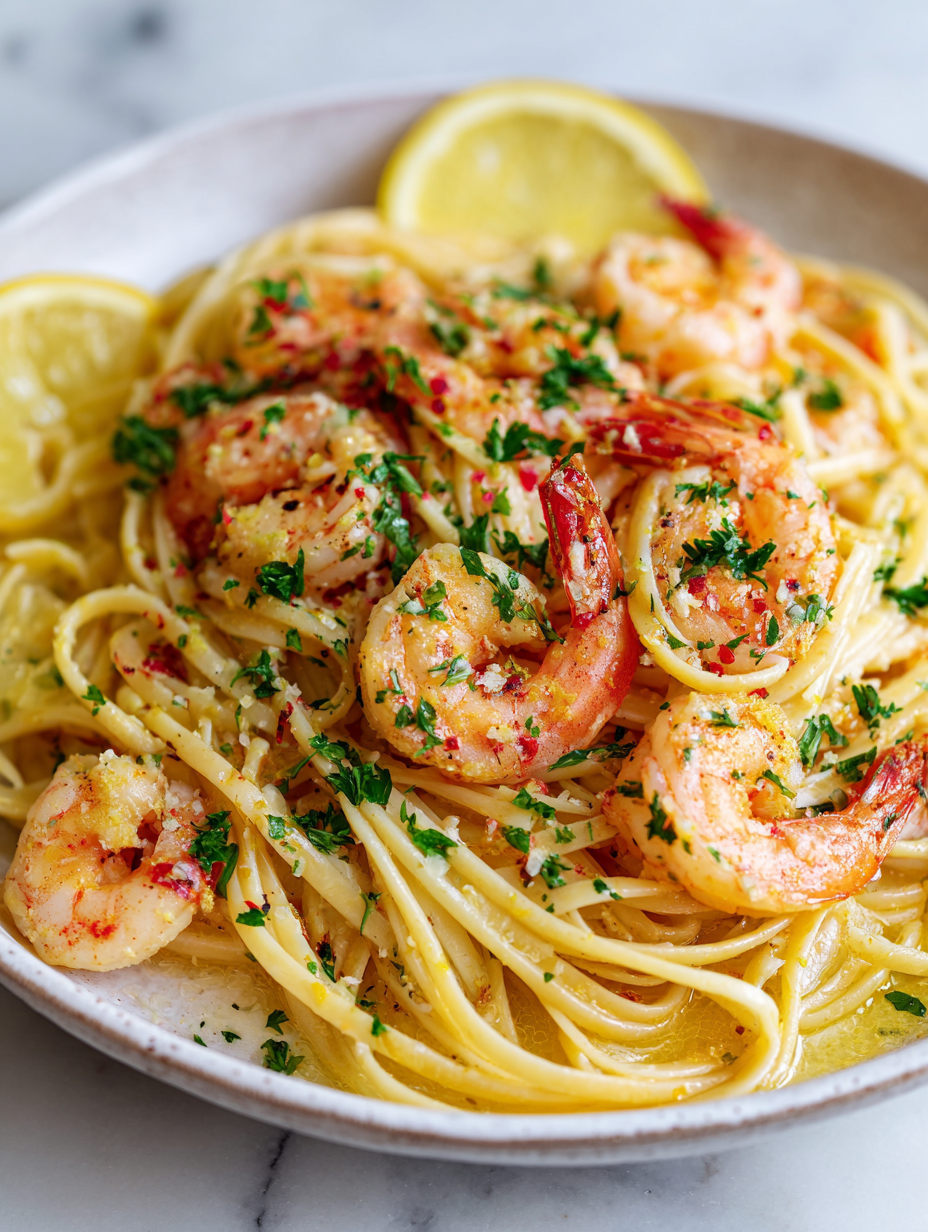
Shrimp Linguine with Starchy Pasta Water Sauce
Ingredients
Equipment
Method
- Bring a large pot of salted water to a rolling boil, then add linguine and cook until just al dente, about 8 minutes. Before draining, scoop out a cup of starchy pasta water and set aside, then drain the pasta.
- While the pasta cooks, heat 2 tablespoons of olive oil in a large skillet over medium-high heat until shimmering. Carefully add the shrimp in a single layer and cook for about 2 minutes per side until pink and slightly golden. Remove the shrimp from the skillet and set aside.
- Lower the heat to medium, then add the sliced garlic to the same skillet. Sauté for about 30 seconds until fragrant and just beginning to turn golden, avoiding burning for a nutty aroma.
- Pour in the white wine, if using, and let it cook for 1-2 minutes until slightly reduced, scraping up any browned bits from the bottom of the pan for extra flavor.
- Return the cooked shrimp to the skillet, then add the drained linguine along with 1/4 cup of the reserved pasta water. Toss gently over low heat, allowing the starchy water to create a glossy, silky sauce that coats each strand of pasta and shrimp.
- Add the lemon zest and juice, then drizzle with the remaining 1 tablespoon of olive oil. Toss everything again until well combined and shiny, adjusting with more pasta water if needed for a perfect, silky consistency.
- Remove from heat, garnish with chopped parsley, and serve immediately with extra lemon wedges if desired. The dish should look glossy, with the shrimp and pasta beautifully coated, ready to enjoy.
Notes
Pro tips for perfect shrimp linguine
- Bolded mini-head: Use high heat to get a quick sear on the shrimp—aim for a sizzle that crackles but doesn’t burn.
- Bolded mini-head: Salt your pasta water generously—this is your chance to flavor the noodles from the inside out.
- Bolded mini-head: Add garlic after the oil is hot but before it browns—this keeps it fragrant and prevents bitterness.
- Bolded mini-head: Save pasta water before draining—starchy and silky, it’s the secret to a cohesive sauce.
- Bolded mini-head: Toss the pasta and shrimp in the pan over low heat—this helps the sauce cling and meld together beautifully.
- Bolded mini-head: Finish with a squeeze of lemon and a drizzle of good olive oil—brighten and shine the dish just before serving.
- Bolded mini-head: Keep an eye on the garlic—remove from heat as soon as it turns fragrant to avoid bitterness.
Common mistakes and how to fix them
- FORGOT to save pasta water → Always reserve before draining.
- DUMPED all pasta water → Use gradually for sauce consistency.
- OVER-TORCHED garlic → Sauté on medium-low, watch for golden aroma.
- SKIPPED shrimp deveining → Deveined shrimp cook faster and look cleaner.
Quick fixes and pantry swaps
- When sauce feels too thick, splash in hot pasta water for silky looseness.
- If shrimp are rubbery, overcooked—reduce heat and cook just until pink and firm.
- Splash lemon juice at the end to brighten dull flavors immediately.
- Patch a broken sauce by whisking in a teaspoon of olive oil for gloss and cohesion.
- When pasta sticks, toss with a little warm water or oil to loosen and prevent clumping.
Prep, store, and reheat tips
- Prep the shrimp: devein and rinse ahead of time, kept in an airtight container in the fridge for up to 1 day, maintaining freshness and briny flavor.
- Cook the pasta: boil and drain until just al dente, then toss with a little oil to prevent sticking. Store in a sealed container for up to 4 hours; reheat briefly in hot water if needed.
- Prepare garlic and lemon zest: slice garlic and zest lemons in advance; store separately in small containers. Aromas will intensify once sautéed, but keep refrigerated to maintain freshness.
- Reserve pasta water: scoop out and keep in a jar or cup before draining; it can be refrigerated for up to 24 hours, but best used fresh for optimal starchy silkiness.
- Reheating leftovers: gently warm in a skillet over low heat, adding a splash of pasta water or olive oil. Expect the sauce to lose some brightness and silkiness, so adjust with fresh lemon or oil at serve.
Top questions about shrimp linguine
1. Why do I need to save pasta water?
Save a cup of pasta water before draining; it’s the secret to a silky sauce that sticks. Use it gradually to adjust consistency.
2. How do I know when shrimp are done?
Cook shrimp until they’re pink and firm, about 2 minutes per side. Overcooked shrimp turn rubbery and lose flavor.
3. How do I prevent garlic from burning?
Use fresh garlic sliced thin to release aroma without burning. Brown garlic quickly, so keep heat moderate and stir often.
4. When should I add lemon juice and zest?
Reserve lemon zest and juice separately. Zest adds bright flavor, juice finishes the dish with a fresh punch—don’t skimp.
5. How do I cook perfect linguine?
Cook pasta until just al dente, about 8 minutes. Overcooking makes it mushy and less able to hold the sauce.
6. Can I use peeled shrimp without tails?
Use deveined, tail-on shrimp for better presentation and flavor. Rinse well to remove grit and excess salt if needed.
7. When do I add the shrimp during cooking?
Add shrimp after garlic is fragrant and oil is shimmering. Cook quickly to avoid overcooking and drying out the seafood.
8. When should I add the finishing touches?
Finish with lemon juice and a drizzle of olive oil for brightness and gloss. Serve immediately for best flavor.
9. What heat setting should I use?
Adjust heat as needed—medium-high for searing, medium for simmering. Keep an eye on garlic and shrimp to prevent burning.
10. What if my sauce is too thick?
If sauce feels too thick, splash in reserved pasta water or a little olive oil. It helps restore silkiness and shine.
This dish is a reminder that simple ingredients, treated with care, can turn into something memorable. The slight smoky aroma from the pan and the bright lemon zest make each bite feel fresh and satisfying.
Cooking this shrimp linguine is about embracing small details—the starchy pasta water, the quick sear—that elevate the everyday into something a bit more special. It’s a dish that’s honest, straightforward, and always worth making again.

Hi, I’m Jonny Andrew Miller, the cook, taster, and slightly messy mind behind Bite & Boom. I live in Austin, Texas, a city that smells like barbecue smoke, fresh tortillas, and late-night tacos if you wander long enough. It suits me.