
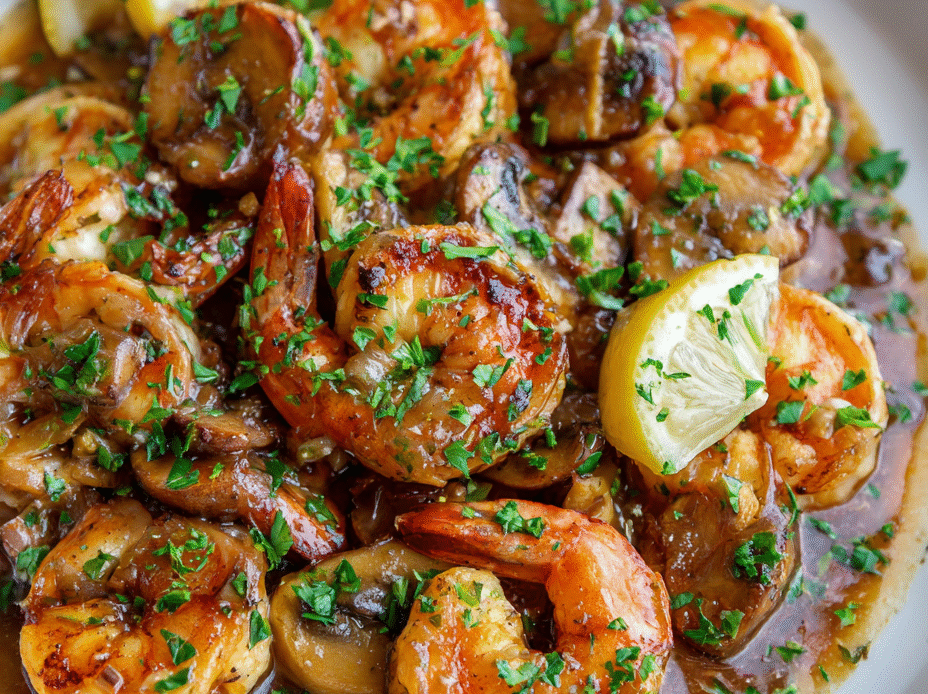
Shrimp Marsala isn’t just about seafood; it’s about that deep, caramelized aroma that lifts the whole meal. I love how the Marsala wine adds a warm, slightly sweet richness that makes even the simplest shrimp feel special. It’s a dish that turns a quick weeknight dinner into a little celebration, no fuss needed.
What really draws me in is the way the wine marries with garlic and butter, creating a silky sauce that clings to each shrimp. It’s cozy, luxe, and surprisingly easy to pull together. Plus, the aroma of cooking wine and sautéed garlic filling the kitchen? That’s the kind of scent that pulls everyone to the table.
Focusing on how the rich, aromatic Marsala wine transforms a simple shrimp dish into a celebration of depth and warmth, perfect for cozy nights or dinner parties where you want to impress without fuss.
Celebrating Simple Elegance
- Cooking this dish reminds me of my grandmother’s kitchen, where the aroma of wine and garlic was always in the air, making everything feel like a warm hug.
- There’s a quiet pride I feel when I see guests’ faces light up at the first taste—it’s simple, but packed with layers of flavor I’ve carefully balanced.
- Honestly, I love how this dish turns an ordinary weeknight into a little celebration, with just a handful of ingredients and a splash of Marsala.
- Every time I make it, I’m reminded that elegance doesn’t have to be complicated—sometimes, a good wine and fresh shrimp are enough to make magic.
Inspiration Behind This Dish
This Shrimp Marsala recipe came about after an evening of experimenting with what I had left in the fridge. I was craving something rich and comforting, but simple enough to throw together on a busy weeknight. The magic happened when I poured that splash of Marsala wine into the pan—suddenly, the kitchen filled with this warm, caramel aroma that made everything feel a little more special. It’s one of those dishes that’s rooted in spontaneity, yet feels indulgent enough to serve for guests or a cozy family dinner.
Historical Roots of Shrimp Marsala
- Shrimp Marsala hails from Sicily, where Marsala wine has been a culinary staple for centuries, blending local seafood with the region’s famous fortified wine.
- The dish became popular in Italian-American cuisine in the mid-20th century, often featured in family dinners and celebrations, reflecting a love for rich, wine-infused sauces.
- Marsala wine’s history as a trade good in Sicily made it an accessible and versatile ingredient, inspiring countless dishes beyond just desserts.
Breakdown of Key Ingredients
- Shrimp: I prefer large, deveined shrimp with tails on for presentation; their sweet, briny flavor is the star. Swap for scallops if seafood isn’t your thing, but watch the cooking time—scallops need less heat.
- Marsala wine: The key to that deep, caramelized aroma. I use dry Marsala; sweet can overpower. If unavailable, a good sherry works, but it’s not quite the same richness.
- Butter: I love the richness it adds, making the sauce silky. You can substitute with olive oil for a lighter touch, but the sauce won’t be as luscious.
- Garlic: Fresh is best—pungent, bright, with that sharp sweetness when cooked. Dried garlic powder can work in a pinch, but it’s not quite as vibrant.
- Cooked mushrooms: I add them for earthy depth, soaking up the sauce’s sweetness. Use fresh or even rehydrated dried mushrooms if fresh aren’t available, just cook longer to develop flavor.
- Chicken broth: I use low-sodium to control salt, but a splash of white wine can boost the complexity if you prefer. Don’t skip it, as it balances the richness of the wine and butter.
- Flour (for thickening): Just a light dusting to help the sauce cling. Cornstarch can be a quick substitute, but be careful not to over-thicken—keep it glossy and silky.
Spotlight on key ingredients
Shrimp:
- I prefer large, deveined shrimp with tails on for presentation; their sweet, briny flavor is the star. Swap for scallops if seafood isn’t your thing, but watch the cooking time—scallops need less heat.
- Marsala wine: The key to that deep, caramelized aroma. I use dry Marsala; sweet can overpower. If unavailable, a good sherry works, but it’s not quite the same richness.
Marsala wine:
- The magic behind that rich, aromatic sauce. It’s sweet, slightly oaky, and adds a unique caramel undertone that deepens every bite. Look for authentic dry Marsala for best results.
- Butter: I love how it makes the sauce silky and lush. It’s the backbone of the dish’s richness. Substitute olive oil if you want less decadence, but the flavor won’t be quite as round.
Notes for ingredient swaps
- Dairy-Free: Swap butter for olive oil or coconut oil. It won’t be as rich, but still flavorful and lighter.
- Gluten-Free: Use cornstarch or arrowroot powder to thicken the sauce instead of flour. Keep the sauce glossy and smooth.
- Seafood Variations: Scallops or firm white fish can replace shrimp. Adjust cooking time accordingly for tenderness.
- Wine Options: If Marsala isn’t available, dry sherry or a splash of white vermouth can mimic the depth, but won’t have the same caramel note.
- Vegetarian Version: Use mushroom broth and add more earthy mushrooms or tofu for protein. The flavor will be different, but still satisfying.
- Sweet Marsala: If you prefer a sweeter sauce, add a small drizzle of honey or a pinch of sugar, but balance with acidity.
- Herb Enhancements: Fresh thyme or oregano can add a different herbal note—use sparingly to not overpower the wine’s richness.
Equipment & Tools
- Large skillet: To cook shrimp and sauce evenly in a single layer.
- Wooden spoon or spatula: For stirring and scraping up browned bits.
- Tongs: To turn shrimp carefully without breaking them.
- Sharp knife: For prepping garlic and mushrooms.
- Cutting board: To chop ingredients safely and efficiently.
Step-by-step Guide to Shrimp Marsala
- Equipment & Tools: Gather a large skillet (preferably stainless steel), a wooden spoon or spatula, tongs, a sharp knife, and a cutting board. The skillet needs to be big enough to hold all shrimp in a single layer for even cooking.
- Prep the Shrimp: Rinse the shrimp, pat dry, and devein if not already done. Keep the tails on for presentation. Toss with a pinch of salt and pepper.
- Sauté Mushrooms & Garlic: Heat 2 tbsp butter over medium heat (about 160°C / 320°F). Add sliced mushrooms. Cook until they soften and brown, about 5 min. Add minced garlic, cook until fragrant, about 30 sec. The mixture should smell rich and earthy.
- Cook the Shrimp: Push mushroom mixture aside. Add remaining 1 tbsp butter. When melted, add shrimp in a single layer. Cook for about 2 min per side, until they turn pink and opaque. They should be slightly firm but still juicy. If overcooked, they become rubbery—reduce heat or remove early.
- Deglaze with Marsala: Pour 1/2 cup Marsala wine into the pan. Increase heat to medium-high. Scrape up browned bits from the bottom. Let the wine simmer and reduce by half, about 3-4 min. The sauce should thicken slightly and turn glossy, with a deep caramel hue.
- Finish the Sauce: Optional—stir in 1 tbsp chopped parsley or a squeeze of lemon for brightness. Check seasoning—add more salt or pepper if needed. The sauce should be fragrant, velvety, and slightly sticky.
- Rest & Plate: Turn off heat. Let the shrimp sit for 1-2 min to absorb flavors. Serve immediately over pasta, rice, or crusty bread. Garnish with extra herbs if desired.
Serve immediately, garnished with herbs or lemon slices. Rest for 1-2 minutes to let flavors meld. Pour sauce over shrimp or serve on the side for dipping.
How to Know It’s Done
- Shrimp are opaque and firm, with a slight bounce when pressed.
- Sauce is glossy, fragrant, and has reduced to a syrupy consistency.
- Mushrooms are browned and tender, with no raw garlic smell lingering.
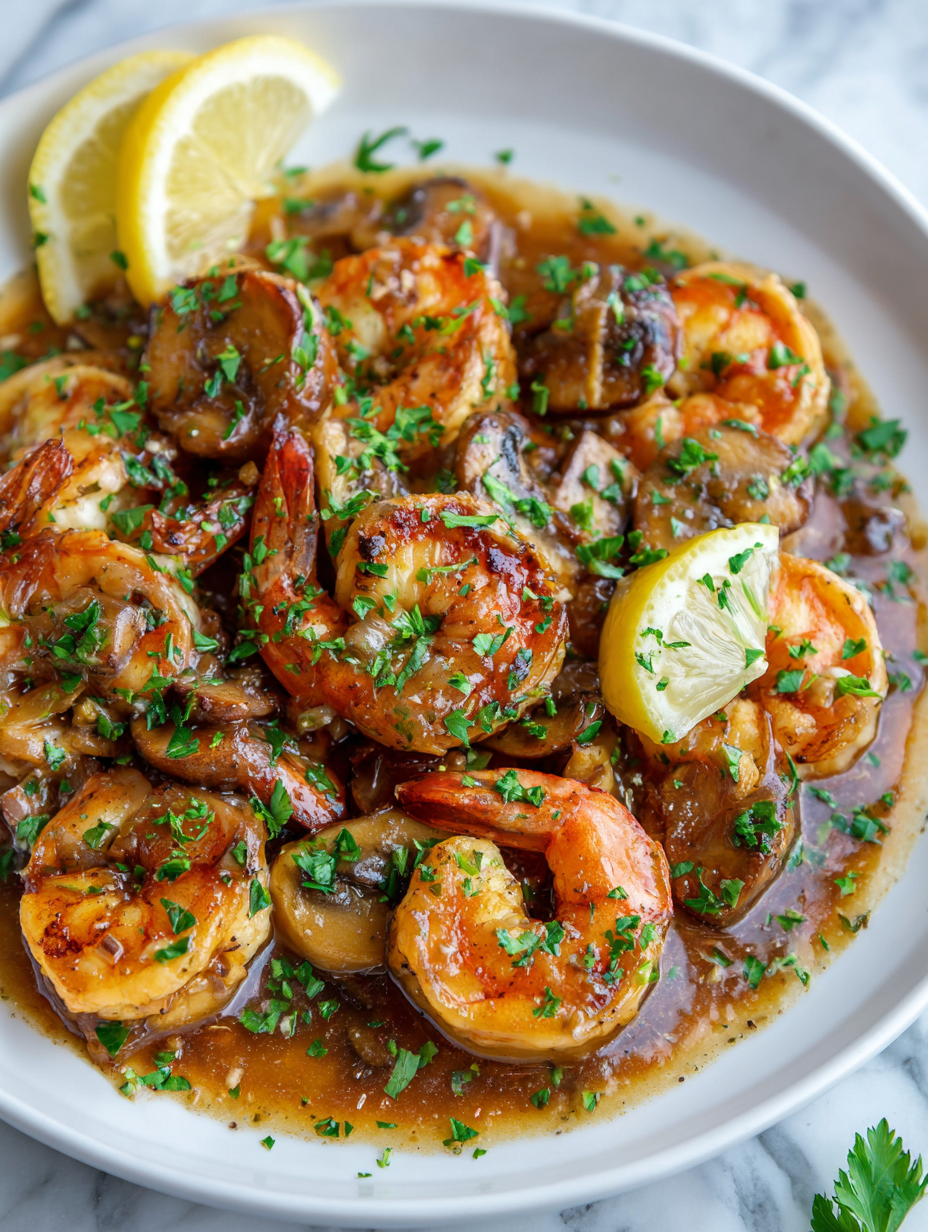
Shrimp Marsala
Ingredients
Equipment
Method
- Gather your large skillet, a sharp knife, and a cutting board. Pat the shrimp dry and season lightly with salt and pepper. Heat 1 tablespoon of butter over medium heat until it melts and begins to foam.
- Add the sliced mushrooms to the skillet and sauté until they turn golden and soft, about 5 minutes, filling the kitchen with a savory aroma. Stir in the minced garlic and cook for another 30 seconds until fragrant.
- Push the mushroom mixture to one side of the pan. Add the remaining 2 tablespoons of butter to the cleared space, then place the shrimp in a single layer. Cook for about 2 minutes per side, until they turn pink and opaque, gently flipping with tongs.
- Pour in the dry Marsala wine, carefully scraping up any browned bits from the bottom of the pan with a wooden spoon. Let the wine simmer and reduce by half, about 3-4 minutes, until the sauce becomes glossy and slightly syrupy.
- Sprinkle the flour over the sauce and stir well to help thicken it slightly. Add the chicken broth and stir to combine, allowing the sauce to simmer for another 2 minutes until it's smooth and velvety.
- Taste the sauce and adjust seasoning with a pinch of salt and pepper if needed. Turn off the heat and let the dish rest for a minute so flavors meld. Serve the shrimp and mushroom sauce immediately over pasta, rice, or crusty bread, garnished with fresh herbs if desired.
Pro tips for Shrimp Marsala
- Bolded tip: Use high heat briefly to sear the shrimp; they should turn pink and slightly charred on the edges.
- Bolded tip: When adding wine, do so off the heat to prevent splattering and to better control reduction.
- Bolded tip: For a richer sauce, swirl in a small knob of butter at the end—this enhances gloss and flavor.
- Bolded tip: Keep a close eye during reduction; once the sauce coats the back of a spoon, it’s ready to serve.
- Bolded tip: If sauce reduces too much, splash in a bit more wine or broth to loosen and re-gloss before serving.
- Bolded tip: Rest the shrimp briefly after cooking; this lets residual heat finish the job without overcooking.
- Bolded tip: Use fresh herbs for garnish; they add a burst of aroma and color that elevates the final presentation.
Common Shrimp Marsala Mistakes & Fixes
- FORGOT to deglaze properly → Use enough wine and scrape the pan for flavor.
- DUMPED too much flour → Lightly dust to avoid a gloopy sauce, adjust quantity if needed.
- OVER-TORCHED the shrimp → Cook in smaller batches on medium heat for even color.
- FAILED to reduce sauce enough → Simmer until it thickens to a glossy, syrupy consistency.
Quick Fixes and Pantry Swaps
- When sauce is too thick, splash in a little broth and stir gently until glossy.
- If shrimp are rubbery, reduce cooking time and cook on medium rather than high heat.
- Splash more wine if the sauce lacks caramel depth or shimmer—reduce to intensify flavor.
- Patch over-salted sauce with a squeeze of lemon or a bit of unsalted broth to balance.
- Shield the shrimp from overcooking by removing from heat as soon as they turn pink and opaque.
Prep, store, and reheat tips
- Prep the shrimp: devein and pat dry up to 1 day ahead; keep refrigerated to maintain freshness and prevent odor.
- Prepare ingredients: slice mushrooms, mince garlic, and measure wine and broth a few hours before; store separately in airtight containers in the fridge.
- Cook the sauce partially: you can reduce the wine and flavor base in advance, then reheat gently to finish. Keeps well up to 2 days in the fridge.
- Reheating: gently warm the dish in a skillet over low heat, stirring often, until the sauce shimmers and shrimp are heated through—avoid overcooking to keep shrimp tender.
- Shelf life: Refrigerated leftovers taste best within 2 days; the sauce may thicken upon standing, so stir in a splash of broth or wine during reheating to restore gloss and moisture.
Frequently Asked Questions
1. Can I use peeled shrimp?
Yes, you can use peeled and deveined shrimp, but keep the tails on for presentation and flavor. It’s the visual appeal that makes the dish special.
2. Can I substitute sweet Marsala?
Dry Marsala is best for a rich, caramel flavor. Sweet Marsala makes the dish sweeter and less savory, so adjust accordingly.
3. Can I use sherry instead of Marsala?
Yes, you can substitute sherry or white wine if Marsala isn’t available. Keep in mind, the flavor profile will shift slightly, with sherry adding a nuttier note.
4. How do I know when shrimp are cooked?
Cooking the shrimp just until they turn pink and opaque, usually about 2-3 minutes per side, keeps them tender and avoids rubberiness.
5. When is the sauce ready?
Reduce the sauce until it’s syrupy and coats the back of a spoon. It should smell deeply aromatic with a rich caramel hue.
6. Can I make this dish ahead?
You can prepare the sauce base a day ahead, refrigerate, then reheat gently on the stove before adding cooked shrimp. Keep covered to prevent drying out.
7. What if the shrimp turn rubbery?
Overcooking the shrimp leads to a rubbery texture. Keep a close eye—remove from heat as soon as they turn pink and slightly firm.
8. What ingredients are most important?
Use fresh garlic and high-quality Marsala wine for maximum flavor. Keep the garlic pungent and the wine fragrant as it reduces.
9. What if my sauce is too thick?
If the sauce becomes too thick, splash in a bit of broth or wine and stir until glossy. This helps restore the sauce’s sheen and looseness.
10. How do I finish the dish?
A splash of lemon juice or fresh herbs at the end brightens the dish, balancing the richness of the wine and butter.
This Shrimp Marsala isn’t just a meal; it’s that scent of toasted garlic and caramelized wine that lingers long after the plates are cleared. It’s simple, honest cooking that feels indulgent without the fuss, perfect for leaning into the cozy season or when you want to impress without overthinking.
Every time I make it, I remember how a handful of ingredients can come together to create something warm and memorable. It’s a dish that feels like a small celebration, even on a quiet weeknight. That’s what makes it worth revisiting, again and again.

Hi, I’m Jonny Andrew Miller, the cook, taster, and slightly messy mind behind Bite & Boom. I live in Austin, Texas, a city that smells like barbecue smoke, fresh tortillas, and late-night tacos if you wander long enough. It suits me.