
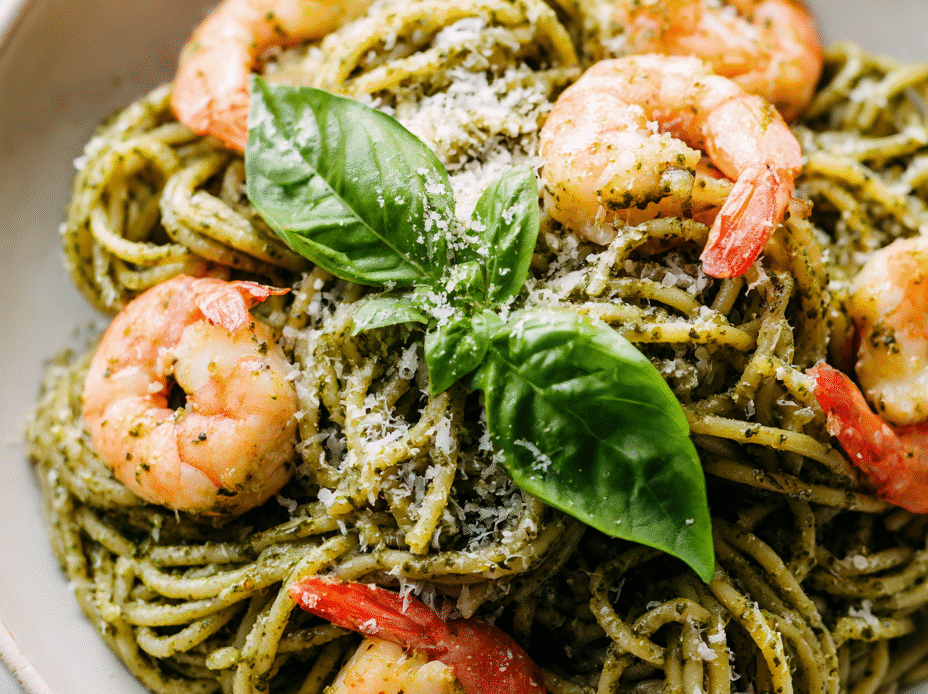
This shrimp pesto pasta is a tribute to those spontaneous seaside trips where everything feels lighter and brighter. I remember the first time I tasted fresh pesto paired with perfectly sautéed shrimp—bright basil, garlicky richness, and the sweet, briny pop of shrimp all tangled in warm pasta. It’s a dish that pulls me back to lazy sunlit afternoons by the coast, even if I’m just in my kitchen on a busy weeknight.
What I love about this recipe is how it transforms simple ingredients into something special without fuss. No fancy tricks, just good-quality shrimp, fresh pesto, and al dente pasta. It’s that kind of meal that feels like a quick escape—comforting but vibrant, with the kind of flavors that make you stop and breathe deep. It’s proof that sometimes, the best dinners come from a handful of honest, unpretentious ingredients.
This recipe is inspired by a spontaneous coastal trip where I discovered the magic of fresh pesto paired with perfectly cooked shrimp, turning a simple pasta dinner into a reminder of sunlit seaside afternoons.
Unexpected Inspiration from Coastal Flavors
- Cooking this dish reminds me of lazy weekends spent by the water, where everything feels simple and good.
- I love how a splash of lemon brightens the pesto, giving it a fresh, zesty punch that lifts the whole plate.
- There’s a quiet pride in making a meal that’s both quick and packed with flavor, perfect after a busy day.
- The way the shrimp turn perfectly pink and slightly caramelized makes me feel like I’ve nailed a small cooking victory.
- Sometimes, I just need a dish that’s honest—no fuss, no pretend, just good ingredients coming together.
Unexpected Inspiration from Coastal Flavors
This dish was born out of a lazy Sunday afternoon when I had a handful of leftover shrimp and a jar of basil pesto sitting in the fridge. I wanted something quick, vibrant, and comforting, and suddenly it clicked—pasta with shrimp and pesto. It’s become a go-to because it feels fancy enough for guests but simple enough for a weeknight. Every time I make it, I remember that moment of spontaneous kitchen creativity, where a little bit of improvisation turns into a favorite meal.
Historical & Cultural Tidbits
- This recipe traces back to coastal Mediterranean regions where fresh seafood and basil are abundant, blending into simple, flavorful dishes.
- The combination of shrimp and pesto gained popularity in Italy during the 20th century as a quick yet luxurious pasta option.
- Using pesto with seafood was a clever way to incorporate local herbs and nuts into accessible, everyday meals.
- In recent years, this dish has become a comfort food staple for home cooks seeking vibrant, fast dinners without sacrificing flavor.
Key Ingredient Insights
- Shrimp: I prefer deveined, tail-on shrimp for easy peeling and a better presentation. Their briny sweetness really shines when cooked properly; don’t overdo it or they turn rubbery, aim for just pink and opaque.
- Pesto: Fresh basil pesto is my go-to—bright, garlicky, with a hint of pine. If you’re in a pinch, a good quality store-bought works, but homemade has that vibrant, oily sheen that coats the pasta beautifully.
- Pasta: I love using spaghetti or linguine—thick enough to hold the pesto, but cook it al dente. Overcooking makes it mushy, so start checking for a bite at 8 minutes, then drain promptly.
- Olive Oil: A splash of good extra virgin olive oil in the pan helps the shrimp caramelize and adds depth. Use a fruity, peppery variety if you want a punch of flavor, or milder for a subtle finish.
- Lemon: Brightens everything. I zest and squeeze fresh lemon over at the end—oozy and fresh—if you skip this, the dish feels dull. Use a lemon that’s juicy and fragrant.
- Garlic: Sautéed until fragrant and just starting to brown—this releases a nutty aroma that balances the richness of pesto and shrimp. Don’t burn it or it turns bitter fast.
- Salt & Pepper: Season generously but taste as you go—shrimp need salt, and a crack of black pepper adds just a hint of spice that ties everything together.
Spotlight on Key Ingredients
Shrimp:
- I prefer deveined, tail-on shrimp for easy peeling and a better presentation. Their briny sweetness really shines when cooked properly; don’t overdo it or they turn rubbery, aim for just pink and opaque.
- Pesto: Fresh basil pesto is my go-to—bright, garlicky, with a hint of pine. If you’re in a pinch, a good quality store-bought works, but homemade has that vibrant, oily sheen that coats the pasta beautifully.
Pesto:
- Bright, oily, and fragrant, it clings to the pasta with a zing of basil and garlic. Watch for a vibrant green color and a slightly oily surface when it’s fresh; it thickens if sitting too long, so add a splash of pasta water to loosen if needed.
- ingredient
Key Ingredient Insights
- Shrimp: I prefer deveined, tail-on shrimp for easy peeling and a better presentation. Their briny sweetness really shines when cooked properly; don’t overdo it or they turn rubbery, aim for just pink and opaque.
- Pesto: Fresh basil pesto is my go-to—bright, garlicky, with a hint of pine. If you’re in a pinch, a good quality store-bought works, but homemade has that vibrant, oily sheen that coats the pasta beautifully.
- Pasta: I love using spaghetti or linguine—thick enough to hold the pesto, but cook it al dente. Overcooking makes it mushy, so start checking for a bite at 8 minutes, then drain promptly.
- Olive Oil: A splash of good extra virgin olive oil in the pan helps the shrimp caramelize and adds depth. Use a fruity, peppery variety if you want a punch of flavor, or milder for a subtle finish.
- Lemon: Brightens everything. I zest and squeeze fresh lemon over at the end—oozy and fresh—if you skip this, the dish feels dull. Use a lemon that’s juicy and fragrant.
- Garlic: Sautéed until fragrant and just starting to brown—this releases a nutty aroma that balances the richness of pesto and shrimp. Don’t burn it or it turns bitter fast.
- Salt & Pepper: Season generously but taste as you go—shrimp need salt, and a crack of black pepper adds just a hint of spice that ties everything together.
Equipment & Tools
- Large skillet: Cook and sauté shrimp, make sauce.
- Large pot: Cook pasta efficiently.
- Tongs: Toss pasta and shrimp, handle hot ingredients.
- Slotted spoon: Remove shrimp from pan, drain pasta.
- Measuring cup: Reserve pasta water for sauce adjustment.
Step-by-step guide to shrimp pesto pasta
- Equipment & Tools: Gather a large skillet (for shrimp), a pot (for pasta), tongs, a slotted spoon, and a measuring cup (for pasta water).
- Boil water: Fill the pot with 4-6 liters of water, add a generous pinch of salt, and bring to a rolling boil at 100°C/212°F, about 10 minutes.
- Cook pasta: Add spaghetti or linguine, cook for 8-10 minutes, until just al dente. Drain, reserving ½ cup pasta water.
- Prep shrimp: While pasta cooks, peel and devein 300g shrimp if needed. Pat dry with paper towels.
- Sauté shrimp: Heat 2 tbsp olive oil in the skillet over medium-high heat (160°C/320°F). Once shimmering, add shrimp.
- Cook shrimp: Sauté for 2-3 minutes per side, until pink and firm with slight caramelization. Remove from pan and set aside.
- Make pesto sauce: In the same skillet, lower heat to medium, add 1 tbsp olive oil, 2 minced garlic cloves, cook until fragrant (~30 sec).
- Combine: Return shrimp to skillet, add pesto (about ½ cup), and toss to coat. Pour in reserved pasta water a splash at a time until sauce loosens—about 2 tbsp.
- Finish pasta: Add drained pasta to the skillet, toss well to combine, heating through (1-2 min). Check seasoning, add salt or pepper if needed.
- Rest & plate: Transfer to serving bowls, squeeze fresh lemon over, garnish with a drizzle of olive oil or parmesan if desired. Serve immediately.
Serve immediately, garnished with a squeeze of lemon and a drizzle of olive oil. No resting needed—pasta is best enjoyed hot and fresh to keep the sauce vibrant.
How to Know It’s Done
- Shrimp: Just pink and opaque, with a slight caramelized exterior.
- Pasta: Al dente with a slight bite, not mushy.
- Sauce: Coats pasta evenly, sauce is bright and fragrant, not greasy or clumpy.
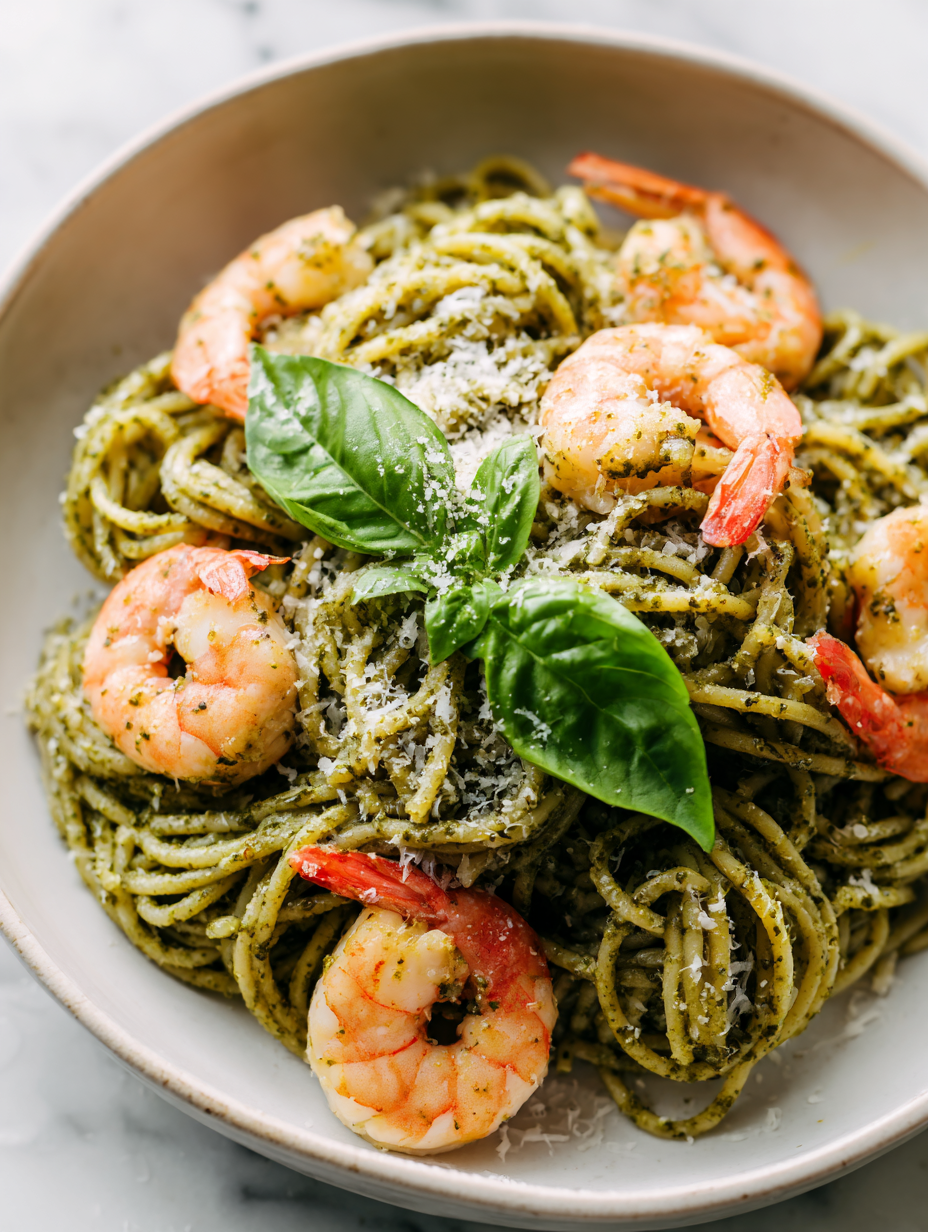
Shrimp Pesto Pasta
Ingredients
Equipment
Method
- Bring a large pot of salted water to a rolling boil and cook the pasta until just al dente, about 8-10 minutes. Drain and set aside, reserving ½ cup of pasta water.
- While the pasta cooks, peel and devein the shrimp if needed. Pat them dry with paper towels to remove excess moisture.
- Heat 2 tablespoons of olive oil in a large skillet over medium-high heat until shimmering. Add the shrimp and sauté for 2-3 minutes per side until they turn pink and develop a light caramelization. Remove the shrimp from the skillet and set aside.
- In the same skillet, lower the heat to medium and add the minced garlic. Sauté for about 30 seconds until fragrant, releasing a nutty aroma, but be careful not to burn it.
- Return the cooked shrimp to the skillet, then add the basil pesto. Toss everything together to coat the shrimp evenly, warming the pesto and blending the flavors.
- Pour in a splash of the reserved pasta water, about 2 tablespoons, to loosen the pesto sauce into a glossy, silky consistency. Stir well to combine.
- Add the drained pasta to the skillet and toss vigorously to coat all the noodles with the pesto and shrimp mixture. Heat through for 1-2 minutes, allowing flavors to meld.
- Squeeze fresh lemon juice over the pasta, and add salt and pepper to taste. Toss again to distribute the brightness evenly.
- Transfer the pasta to serving bowls, garnish with additional lemon zest or a drizzle of olive oil if desired, and serve immediately while hot and vibrant.
Notes
Pro Tips for Shrimp Pesto Pasta
- Bolded tip: Sear shrimp over medium-high heat (160°C/320°F) for a caramelized exterior with a tender inside.
- Bolded tip: Use reserved pasta water to loosen pesto sauce, creating a silky, cohesive coating.
- Bolded tip: Sauté garlic until fragrant, then add shrimp quickly—avoid burning to keep a nutty aroma.
- Bolded tip: Toss pasta and shrimp vigorously in the pan to evenly distribute pesto and prevent sticking.
- Bolded tip: Finish with a squeeze of lemon right before serving for a bright, zesty contrast.
- Bolded tip: Keep an eye on shrimp’s color—just pink and opaque, with a slight sheen, means perfect doneness.
- Bolded tip: For extra flavor, add a drizzle of good olive oil at the end to enhance richness and shine.
Common mistakes and how to fix them
- FORGOT to adjust heat: Shrimp overcooked—reduce heat and cook for shorter time.
- DUMPED too much pasta water: Use sparingly to avoid thinning the sauce.
- OVER-TORCHED garlic: Remove from heat immediately to prevent bitterness.
- MISSED the seasoning: Taste and adjust salt and pepper before serving.
Fast Fixes for Common Pesto Pasta Snags
- When sauce is too thick, splash in hot pasta water and stir until silky.
- If shrimp are overcooked, add a splash of lemon juice to brighten and mask dryness.
- Splash olive oil if pesto seems clumpy or dull in appearance.
- Patch a broken pesto by stirring in a teaspoon of hot pasta water for shine.
- Shield delicate shrimp from burning by reducing heat immediately after adding to pan.
Prep, store, and reheat tips
- Prep shrimp: Peel and devein ahead, keep refrigerated for up to 1 day, the briny aroma intensifies slightly overnight.
- Cook pasta: Boil until al dente, cool with cold water, and store in an airtight container for up to 2 days—pasta absorbs flavors and can get sticky if kept too long.
- Make pesto: Prepare fresh basil pesto and keep in a sealed jar in the fridge; use within 3 days for optimal brightness and oil separation.
- Reheat gently: Warm leftovers over low heat, adding a splash of water or olive oil to loosen the sauce and restore shine; smell should be fresh, not sour.
- Shelf life: Best enjoyed within 2 days of storage; flavors dull slightly, but the dish remains tasty if reheated carefully and eaten promptly.
Top questions about shrimp pesto pasta
1. How do I tell when shrimp are cooked?
Use fresh, deveined shrimp with tails on for easy peeling and a better presentation. They turn tender and sweet when cooked just right—aim for pink and opaque, no overcooking!
2. Can I use store-bought pesto instead of homemade?
Yes, you can swap basil pesto for sun-dried tomato pesto for a smoky, tangy twist. It changes the flavor profile but still delicious.
3. What pasta type works best?
Use spaghetti or linguine for the best hold; cook until just al dente, about 8 minutes. Overcooked pasta turns mushy fast.
4. How long should I cook the shrimp?
Cooking shrimp over medium-high heat (around 160°C/320°F) for 2-3 minutes per side gives a caramelized exterior with a tender inside. Watch for color change to pink and slight curl.
5. How do I fix a thick pesto sauce?
Add a splash of pasta water to loosen the pesto sauce if it gets too thick. It keeps the sauce silky and helps it cling to the pasta.
6. Which olive oil is best?
Use good quality extra virgin olive oil for sautéing and drizzling—fruity and peppery oils add depth. Skip overly bland varieties.
7. Can I omit lemon?
Finish the dish with fresh lemon juice and zest for brightness. It balances the richness of pesto and shrimp with a zesty kick.
8. How long can I keep leftovers?
Store cooked shrimp in the fridge for up to 1 day. Reheat gently over low heat with a splash of water or olive oil to keep moist.
9. What if my pasta is sticky?
If the pasta sticks or gets soggy, toss with a little hot water or olive oil before serving. It revives the texture and prevents clumping.
10. Any tips for sautéing shrimp?
Use a slotted spoon to remove shrimp and avoid splashing hot oil. Keep the skillet hot for quick sautéing and caramelization.
This dish isn’t just quick comfort; it’s a reminder that simple ingredients can surprise you with their potential. When the shrimp are just right and the pesto is vibrant, it’s a little moment of satisfaction in a busy week.
Cooking this pasta makes me pause and enjoy the process—the aroma of garlic, the brightness of lemon, the pop of shrimp. It’s a dish that feels honest and unpretentious, perfect for those nights when you want something real and flavorful without fuss.

Hi, I’m Jonny Andrew Miller, the cook, taster, and slightly messy mind behind Bite & Boom. I live in Austin, Texas, a city that smells like barbecue smoke, fresh tortillas, and late-night tacos if you wander long enough. It suits me.