
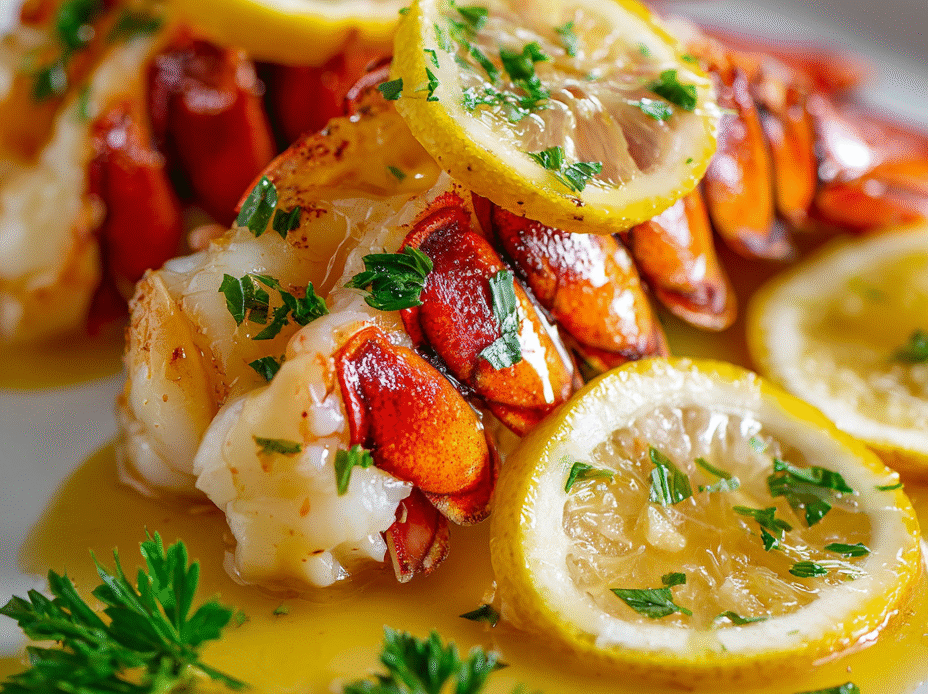
Lemon Butter Lobster Tail is one of those dishes that feels fancy but is surprisingly straightforward. It’s about balancing the rich, slightly sweet lobster with a burst of bright lemon and silky butter. I love how the acidity cuts through the lobster’s richness, making each bite feel fresh and indulgent at the same time.
This recipe is my go-to when I want something special without fussing over complicated techniques. It’s a reminder that elegance can be simple—just a handful of ingredients, a hot pan, and a bit of patience. Plus, it fills the kitchen with a warm lemony aroma that makes everyone gather around, eager for that first taste.
Focusing on the overlooked simplicity of balancing rich lobster with sharp, fresh lemon to create an everyday luxury that feels both indulgent and doable.
The story behind this recipe
This recipe came about during a quiet weekend when I had a rare bit of time and a craving for something luxurious but simple. I’d recently bought a lobster tail on a whim, and I wanted to do something that highlighted its natural sweetness without fuss. The lemon butter idea struck me as the perfect way to brighten up the richness, making it feel both indulgent and fresh. It’s one of those dishes that reminds me sometimes the simplest ingredients, treated well, can turn into a special moment. Now, I make it whenever I want a little treat that doesn’t demand a lot of effort but feels like a celebration.
Key ingredients breakdown
- Lobster tail: Fresh, raw lobster tail feels firm and slightly translucent. I always look for a bright, clean smell; skip if fishy. You can swap with langoustines if you want a smaller, more delicate bite.
- Lemon: Bright, zesty lemon juice lifts the richness. I prefer freshly squeezed for that vibrant, pure citrus punch. Bottled lemon juice works in a pinch but lacks that fresh punch.
- Butter: Rich, creamy butter adds that silky mouthfeel. I like unsalted, but you can use salted if you adjust the seasoning. Clarified butter gives a cleaner, less foamy finish.
- Garlic: Minced garlic adds a fragrant, pungent layer. I crush garlic to release more aroma, but minced is fine. For a milder flavor, briefly sauté before adding the lemon butter.
- Parsley: Fresh parsley adds a bright, grassy note. I chop it finely for even distribution, but a rough chop leaves more vibrant bursts. Dried parsley isn’t a good substitute here.
- Salt & Pepper: Essential for seasoning. I always season generously at the end, especially with flaky sea salt. If you prefer less salt, reduce accordingly, but don’t skip it entirely.
- Olive Oil (optional): Just a touch to prevent sticking if needed. I keep it light—just enough to coat the pan. For a richer flavor, butter can replace the oil entirely.
Spotlight on key ingredients
Lobster tail:
- It’s firm, slightly translucent raw, and smells briny but fresh. When cooked, it turns opaque, tender, with a slight sweetness that’s unmistakable. A good lobster feels heavy for its size and bounces back when pressed gently.
- Lemon: Bright, zesty, and intensely aromatic. When squeezed, it releases a sharp citrus punch that cuts through richness. The zest adds fragrant oils that bloom in butter, making every bite lively and fresh.
Lemon:
- It’s the star for brightening. When heated, the juice intensifies, releasing a fresh, almost floral aroma that lifts everything. Use freshly squeezed for the lively, crisp flavor that bottled can’t match.
- Lemon zest: It adds a fragrant, slightly bitter citrus oil. When grated over hot butter, it releases a vibrant, lemon-bright aroma that enlivens the dish’s richness.
Notes for ingredient swaps
- Dairy-Free: Swap butter for coconut oil or a dairy-free butter alternative. It won’t have that rich, creamy feel, but it still adds moisture and a hint of sweetness.
- Lemon: Use bottled lemon juice if fresh isn’t available. It’s less vibrant but still provides the needed acidity to brighten the dish.
- Garlic: If fresh garlic isn’t on hand, garlic powder can work—use about half the amount to avoid overpowering. The flavor won’t be as pungent or fragrant.
- Herbs: Fresh parsley is best, but dried parsley can be used in a pinch—just halve the amount. It won’t have the same bright, grassy punch, though.
- Butter: Clarified butter (ghee) can replace regular butter for a cleaner, less foamy sauce. It adds a slightly nutty flavor, which pairs well with lobster.
- Olive Oil: Use a neutral oil like grapeseed or canola if you prefer a lighter fat. It’s less flavorful but helps prevent sticking and browning.
- Lobster Alternative: Langoustines or large shrimp can be a good substitute if lobster is unavailable. They cook faster but still deliver a sweet, tender bite.
Equipment & Tools
- Boning knife: To clean and prepare the lobster tail.
- Small saucepan: To prepare the lemon butter sauce.
- Non-stick skillet: For cooking the lobster evenly.
- Tongs: To handle hot lobster safely.
Step-by-step guide to Lemon Butter Lobster
- Equipment & Tools: Get a sharp boning knife to clean the lobster, a small saucepan for the lemon butter, and a skillet (preferably non-stick) for cooking. Tongs help handle the lobster safely.
- Preheat the skillet over medium heat, about 160°C (320°F). Meanwhile, prepare the lobster tail by cutting lengthwise down the shell with the boning knife, exposing the meat.
- Gently lift the lobster meat out of the shell, keeping it attached at the base. Rest it on top of the shell for a nice presentation. Season lightly with salt and pepper.
- In the saucepan, melt 4 tablespoons of butter over low heat. Add 2 minced garlic cloves and cook gently until fragrant, about 1 minute. Stir in 1 tablespoon of lemon juice and zest of half a lemon. Keep warm.
- Place the lobster tail in the hot skillet, shell side down. Cook for about 2-3 minutes until the shell turns slightly red and begins to crackle. Then, flip and cook the meat side for 2 more minutes until just opaque.
- a. During cooking, spoon some lemon butter over the lobster meat to baste. This keeps it moist and infuses flavor.
- b. Check for doneness: the lobster should be firm, opaque, and slightly glossy. Avoid overcooking to prevent rubbery texture.
- c. If the lobster starts to curl tightly or loses its color, it’s overdone—reduce heat or remove early.
- Remove the lobster from the skillet. Rest for 1-2 minutes so juices redistribute. Drizzle with additional lemon butter and sprinkle with chopped parsley.
- Resting & Finishing: Plate the lobster on a warm dish, spoon extra lemon butter over, and garnish with more parsley. Serve immediately with lemon wedges.
- Checkpoints & How to Know It’s Done: The meat is opaque and firm, not translucent. The shell should be bright red or pink. The lobster’s juices run clear when pierced with a probe at 62°C (144°F).
Let the lobster rest for 1-2 minutes after cooking. Drizzle with more lemon butter, sprinkle with parsley, and serve immediately with lemon wedges.
How to Know It’s Done
- Lobster meat is opaque and firm, with no translucency.
- Shell is bright red or pink, crackling slightly.
- Juices run clear when pierced, around 62°C (144°F).
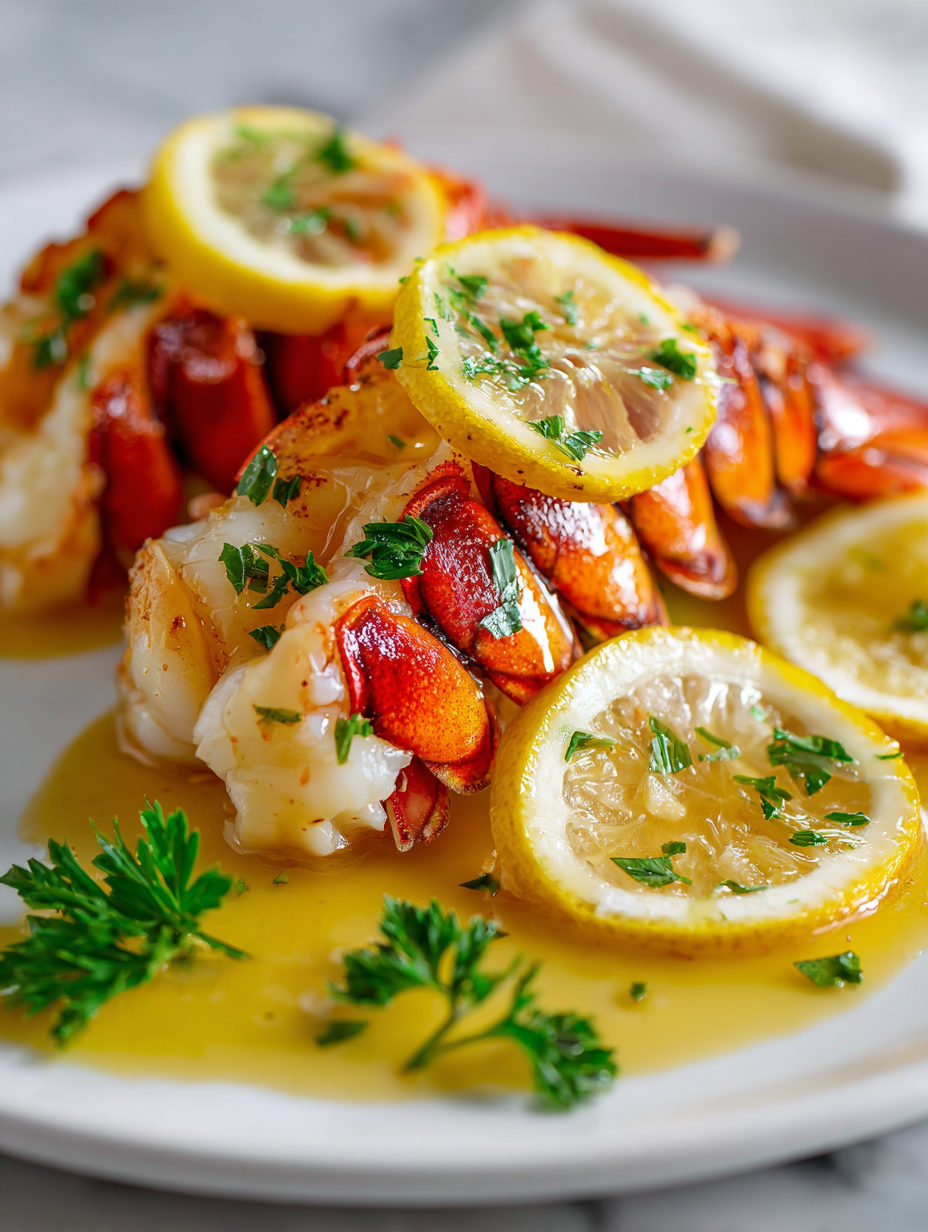
Lemon Butter Lobster Tail
Ingredients
Equipment
Method
- Use a sharp boning knife to carefully cut down the length of each lobster tail's shell, exposing the meat without damaging it. Gently lift the meat out of the shell, resting it on top, and season lightly with salt and pepper.
- In a small saucepan, melt the butter over low heat. Add the minced garlic and cook gently until fragrant, about 1 minute — the butter will start to bubble softly and smell nutty.
- Stir in the freshly squeezed lemon juice and the grated lemon zest, letting the aroma brighten as the mixture warms. Keep the lemon butter warm but not boiling.
- Preheat a non-stick skillet over medium heat until hot, about 160°C (320°F). Add a splash of olive oil if needed to prevent sticking, then carefully place the lobster meat side down in the skillet. Sear for 2-3 minutes until the shell turns a bright red and begins to crackle.
- Flip the lobster tail and cook for another 2 minutes, spooning the lemon butter over the meat to baste and keep it moist. The lobster is ready when it’s opaque, firm, and glossy.
- Remove the lobster from the skillet and let it rest briefly for 1-2 minutes. Spoon additional lemon butter over the meat and sprinkle with chopped parsley for a fresh, colorful finish.
- Serve immediately with lemon wedges on the side, allowing everyone to enjoy the tender, juicy lobster with a burst of bright citrus flavor each bite offers.
Pro tips for perfect lobster
- Bolded tip: Use fresh lemon zest to release fragrant oils that brighten the butter and enhance flavor.
- Bolded tip: When sautéing garlic, keep the heat moderate to prevent burning and bitterness.
- Bolded tip: Baste the lobster with lemon butter constantly for moist, evenly cooked meat with a shiny glaze.
- Bolded tip: For even cooking, keep the lobster shell side down first, then flip once the shell turns bright red.
- Bolded tip: Rest the lobster briefly after cooking to allow juices to redistribute, ensuring tender, juicy bites.
- Bolded tip: Use a digital probe thermometer to check for just-opaque lobster, aiming for 62°C (144°F).
Common mistakes and how to fix them
- FORGOT to preheat the pan → Heat until hot before adding lobster.
- DUMPED the lemon butter → Spoon it gently over lobster to avoid splatters.
- OVER-TORCHED the lobster → Cook until just opaque, not dry or rubbery.
- SKIPPED resting time → Let lobster rest for 1-2 minutes before serving.
Quick fixes and pantry swaps
- If sauce breaks, splash in a teaspoon of cold water to rescue smoothness.
- When lobster overcooks, patch with a quick dip in warm lemon butter, then serve immediately.
- Splash a bit of olive oil if the butter starts to burn or brown too fast.
- DUMPED the garlic too early? Add a fresh clove near the end for bright aroma.
- When in doubt, pantry swap: use pre-mixed lemon zest and juice for a quick flavor boost.
Prep, store, and reheat tips
- Prep the lobster tail: Clean and cut it before cooking, then keep covered in the fridge for up to 2 hours. It helps save time and keeps the meat fresh.
- Make the lemon butter: Prepare and store it in a sealed jar or container in the fridge for up to 3 days. The aroma will deepen, and flavors meld over time.
- Store leftovers: If you have extra cooked lobster, keep it in an airtight container in the fridge for up to 2 days. Reheat gently to avoid toughening the meat.
- Reheating: Warm lobster in a low oven (around 150°C/300°F) or gently in a skillet with a splash of lemon butter. Expect a gentle aroma and tender meat, but avoid overcooking to prevent rubberiness.
Top questions about Lemon Butter Lobster
1. How do I prepare the lobster tail for cooking?
Use a sharp knife to cut through the shell without crushing the meat, making it easier to lift out later.
2. How can I tell when the lobster is done?
Cook until the lobster is opaque and firm, about 3-4 minutes per side, depending on size.
3. When is the lobster ready to serve?
Serve immediately after resting briefly; the lemon butter will be silky and fragrant, coating the tender meat.
4. Can I use bottled lemon juice?
Use freshly squeezed lemon juice for a bright, zingy flavor that cuts through the richness of the butter.
5. What if my lemon butter sauce breaks?
If the butter sauce separates, whisk in a teaspoon of cold water or ice to bring it back together.
6. Can I substitute lobster with other seafood?
Yes, langoustines or large shrimp work well; cook them slightly less, about 2 minutes per side.
7. How do I avoid overcooking the lobster?
Keep an eye on the lobster during cooking; overcooking makes the meat rubbery and loses that tender texture.
8. How can I enhance the lemon flavor?
Add a pinch of extra lemon zest just before serving for an extra burst of citrus aroma.
9. What kitchen tool helps check doneness?
Use a digital probe thermometer to ensure the lobster reaches 62°C (144°F) for perfect doneness.
10. How should I reheat leftovers?
Reheat gently in a low oven or skillet, adding a splash of lemon butter to keep it moist and flavorful.
This dish feels like a quiet celebration—simple ingredients that come together in a way that’s both comforting and special. The bright lemon and rich butter balance each other perfectly, making every bite memorable. It’s a reminder that even everyday ingredients can turn into something worth savoring.
Whenever I make this lobster, it’s a small moment of luxury that I look forward to. The smell of lemon and butter filling the kitchen, the tender texture of the lobster—these little details make it all feel worth the effort. Sometimes, it’s the simplest recipes that stick with us the longest.

Hi, I’m Jonny Andrew Miller, the cook, taster, and slightly messy mind behind Bite & Boom. I live in Austin, Texas, a city that smells like barbecue smoke, fresh tortillas, and late-night tacos if you wander long enough. It suits me.