

Filling the bun with cold, tender lobster meat is the first step, and it’s all about the texture—firm, slightly sticky, with a faint brine. I get a sense of the mix slipping between my fingers, the smell of fresh seafood mixing with lemon and butter as I prep it.
Eating it involves a bit of mess—the lobster tends to slip out as you bite, so I keep a napkin handy and focus on the satisfying crunch of toasted bread paired with the oozy filling.
listening to the gentle crackle of toasted bread as the lobster mixture is piled high, feeling the spread of cold butter and lemon zest on your fingers, and noticing the sticky, oozy texture of the lobster filling as it slips from the bread.
Key Ingredients and Substitutions
- Lobster meat: Fresh cooked lobster is the star—firm, slightly sweet, with a briny punch. If you can’t get lobster, claw meat from good quality fishmongers works; skip the shell, keep the texture.
- Brioche buns: Buttery, soft buns toasted until golden with a slight crunch—really makes the lobster shine. Regular hot dog buns will do in a pinch, just don’t skip the toasting.
- Mayonnaise: A good dollop binds everything—creamy, tangy, with a subtle egginess. Swap for Greek yogurt for a lighter, tangy kick, or skip entirely if you prefer a leaner bite.
- Lemon: Brightens everything—squeeze just before piling high. If you’re out, a splash of vinegar can mimic the acidity, but fresh lemon is best for that zing.
- Herbs: Chopped chives or parsley add freshness and color. Dried herbs are dull; fresh herbs wake up the filling with a vivid aroma and bright flavor.
- Butter: For toasting the bread, flavored or plain—rich, slightly nutty. Olive oil works if you want a smoky note, but don’t skip the toasting for crunch.
- Seasonings: Salt, pepper, maybe a pinch of smoked paprika for depth. Taste as you go—salty enough to enhance the lobster, but not overpowering.
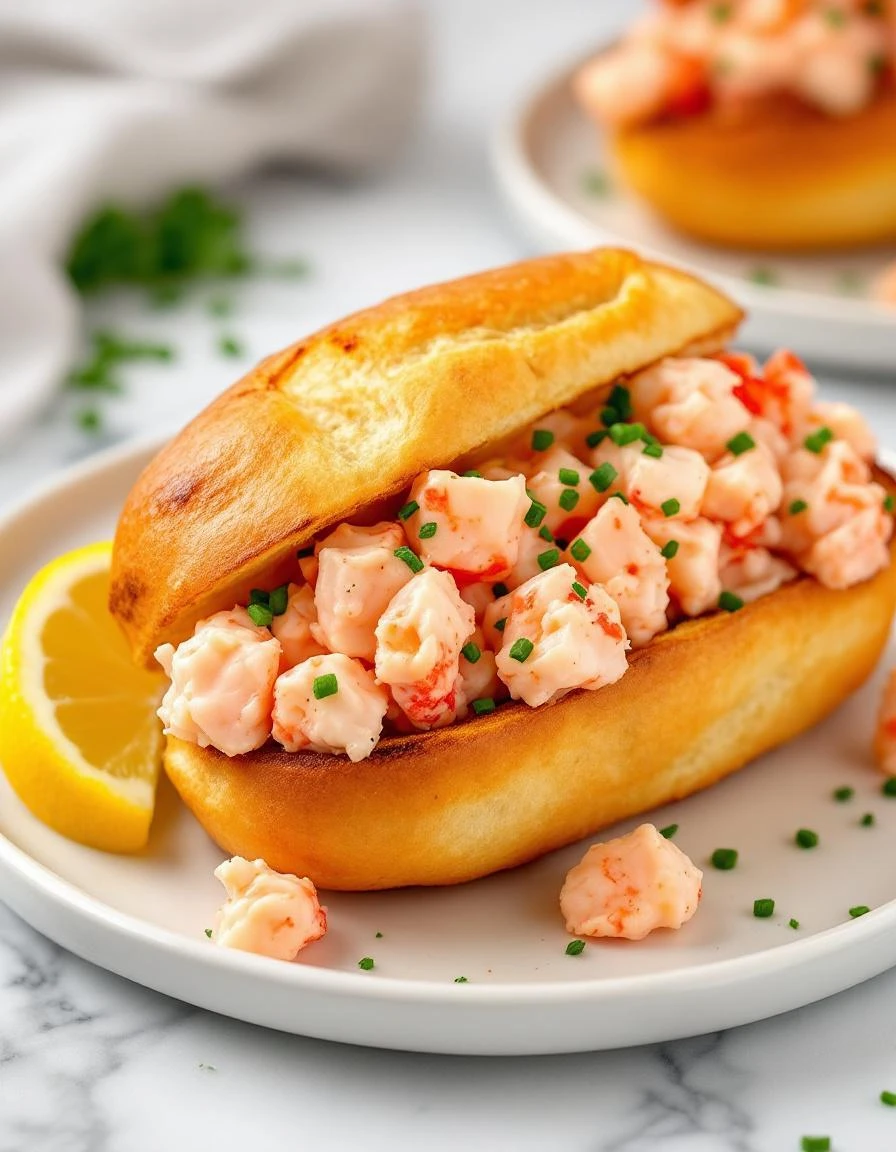
Lobster Roll on Toasted Brioche
Ingredients
Equipment
Method
- Slice the brioche buns in half and toast them until golden and slightly crispy, either in a toaster or skillet with a bit of butter. Set aside.
- In a mixing bowl, combine the chopped lobster meat with mayonnaise, lemon zest, and a squeeze of lemon juice. Gently fold to create a creamy, well-coated filling. Taste and season with salt, pepper, and a pinch of smoked paprika if using.
- Spread a small amount of butter on the toasted buns to add richness and help keep them crisp. Place the buns on a plate.
- Pile the lobster filling generously into the toasted buns, pressing slightly to mound it high. The filling should be sticky and oozy, spilling slightly over the edges.
- Finish with a sprinkle of chopped herbs on top of the lobster filling for freshness and color. Serve immediately with napkins nearby, as the lobster can slip out with each bite.
Notes
Common Mistakes and How to Fix Them
- FORGOT to keep lobster chilled, resulting in mushy texture—serve cold or slightly chilled.
- DUMPED all the mayo at once—add gradually, tasting for creamy balance and avoiding sogginess.
- OVER-TORCHED the bread—toast just until golden for crunch without burning the edges.
- MISSED adjusting seasoning—taste the lobster mixture before assembling, add salt or lemon accordingly.
Make-Ahead and Storage Tips
- Lobster meat: Cook, chill, and store in the fridge for up to 2 days before assembly to keep it firm and fresh.
- Buns: Toast and prep buns a day ahead; keep in an airtight container to maintain crispness until ready to serve.
- Mayonnaise mixture: Assemble the lobster filling a few hours in advance; refrigerate to let flavors meld and develop depth.
- Reheating: Gently warm the lobster mixture if needed, but ideally serve cold or at room temp to preserve texture and flavor.
- Flavor changes: Longer storage may dull the bright lemon and herb notes; taste and adjust seasonings before serving.
- Reheating check: When warming, smell for any off odors and check texture—should stay tender and not mushy.
FAQs
1. How should lobster meat feel when cooked?
Lobster meat should be firm, slightly springy, with a fresh ocean smell—like a cool breeze. It shouldn’t be slimy or mushy. The texture is tender but holds together well when you bite into it, giving that satisfying bite.
2. Should lobster be warm or cold in a roll?
Use cold lobster meat straight from the fridge to keep it firm and easy to handle. If it’s warm, it can become mushy. Keep it chilled until just before mixing or piling into the bun for the best texture.
3. How crispy should the bread be?
Toast the buns until they’re golden and just crispy—the crunch gives a nice contrast to the tender lobster. If you skip toasting, the bread can get soggy fast. Toasted bread adds texture and that nutty aroma.
4. What if my filling is too runny or too stiff?
If your lobster mixture is too runny, add a little more mayonnaise or a pinch of breadcrumbs to thicken it. If it’s too stiff, fold in a splash of lemon juice or a touch of water to loosen it up, enhancing freshness.
5. Can I reheat the lobster filling?
Reheat the lobster mixture gently in a water bath or microwave until just warm—aim for a slight aroma of heated seafood without losing the freshness. For cold, keep it refrigerated until serving and add a squeeze of lemon right before eating.

Hi, I’m Jonny Andrew Miller, the cook, taster, and slightly messy mind behind Bite & Boom. I live in Austin, Texas, a city that smells like barbecue smoke, fresh tortillas, and late-night tacos if you wander long enough. It suits me.