
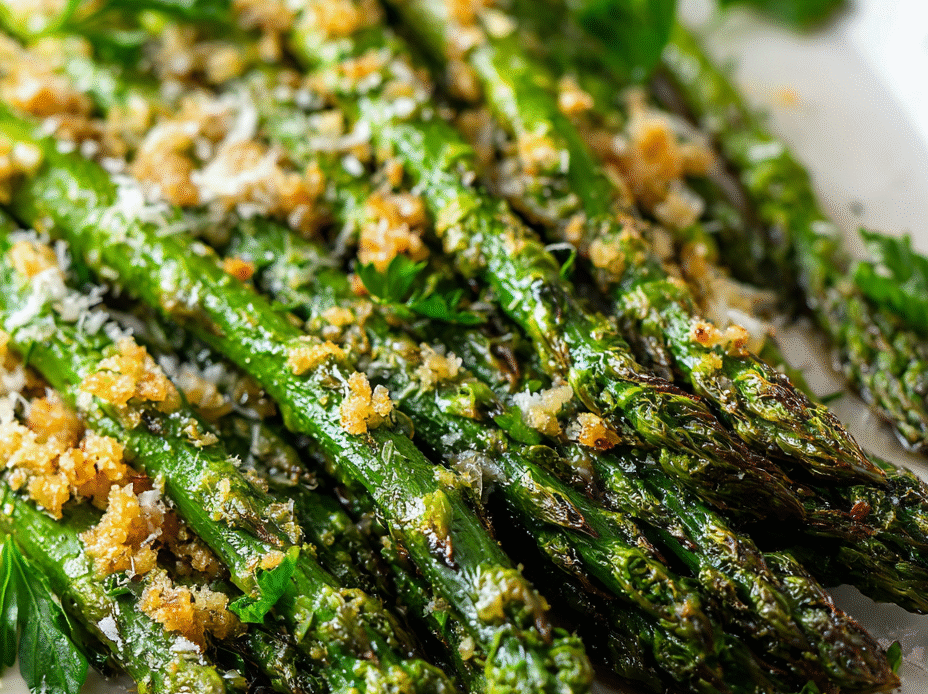
There’s something about the way garlic and parmesan transform roasted asparagus that feels almost magical. It’s a simple trick—caramelizing garlic until it’s sweet and fragrant, then finishing with a generous sprinkle of parmesan—that turns a humble vegetable into a snack-worthy side. I’ve made this dish more times than I can count, mostly on nights when I want something quick but still crave that deep, roasted flavor.
What I love most is how the crispy parmesan crust gets all golden and crackly, contrasting with the tender snap of the asparagus. It’s honestly a crowd-pleaser at dinner parties or just a quick fix for myself. The aroma alone—garlic turning sweet and parmesan melting into every nook—makes the kitchen feel warm and welcoming. It’s unpolished, real food that hits all the right notes.
Focusing on the transformative power of caramelized garlic and crispy parmesan crust to elevate simple asparagus into a snack-worthy side.
The story behind this recipe
- I first started making this roasted asparagus on a whim, needing something quick after a long day. The magic happened when I realized how much garlic and parmesan could turn a simple vegetable into a flavor punch that still feels elegant. It’s one of those dishes that reminds me that simplicity often tastes the richest.
- There’s a memory of a dinner party where I threw this together in a rush, and it vanished off the table before I knew it. The crispy edges of parmesan, the fragrant garlic, and the tender, roasted stalks—each bite brings back that rush of sharing something honest and unpretentious. Now, it’s become a staple whenever I need comfort or a quick crowd-pleaser.
- heading
- story_type
Key ingredients and tips
- Asparagus: I love how fresh, green, and slightly earthy this vegetable is. For the best flavor, pick firm stalks with tight tips, and don’t overcook them—snap should be crisp, not mushy. If yours are too thick, give them a few extra minutes in the oven.
- Garlic: I always use fresh, thinly sliced cloves. The sweet aroma that wafts up when garlic starts to roast is unbeatable. If you want a milder garlic flavor, toss in the slices later in the roasting process so they don’t burn—nothing ruins the aroma like bitter, burnt garlic.
- Parmesan: I prefer a good, aged Parmesan that melts into the asparagus and gets crispy at the edges. Freshly grated is best—pre-grated can be a bit dry and less flavorful. If you’re out, Pecorino Romano adds a sharp punch that works well here.
- Olive oil: I use a good-quality extra virgin olive oil. It helps the garlic and parmesan stick, and the rich, fruity notes really shine through. If you want a lighter version, swap in a neutral oil like grapeseed, but you’ll lose that lush mouthfeel.
- Salt & pepper: I always season generously, especially with flaky sea salt right before roasting. It amplifies all the flavors. If you prefer a smoky kick, sprinkle a pinch of smoked paprika—just watch it doesn’t overpower the delicate taste.
- Lemon (optional): A squeeze of lemon brightens everything up with a zingy contrast. If you don’t have lemon, a splash of vinegar can add a similar tang—just don’t overdo it so the asparagus still shines.
Spotlight on key ingredients
Asparagus:
- I love how fresh, green, and slightly earthy this vegetable is. For the best flavor, pick firm stalks with tight tips, and don’t overcook them—snap should be crisp, not mushy. If yours are too thick, give them a few extra minutes in the oven.
- ingredient”:
Garlic:
- I always use fresh, thinly sliced cloves. The sweet aroma that wafts up when garlic starts to roast is unbeatable. If you want a milder garlic flavor, toss in the slices later in the roasting process so they don’t burn—nothing ruins the aroma like bitter, burnt garlic.
- ingredient”:
Notes for ingredient swaps
- Dairy-Free: Swap Parmesan for nutritional yeast. It adds a cheesy flavor without dairy, but expect a slightly different texture and umami punch.
- Vegan: Use vegan Parmesan or toasted breadcrumbs for crunch. You’ll lose some saltiness but gain a nutty flavor.
- Gluten-Free: No change needed unless adding crumbs or breaded toppings. Just ensure your Parmesan is gluten-free if store-bought.
- Olive Oil: Switch to avocado or grapeseed oil. These have higher smoke points and a milder flavor that won’t compete with garlic and cheese.
- Garlic: Use garlic powder or roasted garlic for milder, sweeter notes. Fresh garlic provides sharpness and aroma that powder can’t fully mimic.
- Lemon: Replace with a splash of white wine vinegar or apple cider vinegar. Brightens the dish with a tangy kick, but don’t overdo it—start with a teaspoon.
- Parmesan: Pecorino Romano or Grana Padano are good substitutes. They melt well and bring similar salty, savory qualities, with slight flavor differences.
Equipment & Tools
- Baking sheet: For roasting the asparagus evenly in the oven.
- Parchment paper or non-stick mat: Prevent sticking and make cleanup easier.
- Sharp knife: Trim the woody ends and slice garlic thinly.
- Measuring spoons: Accurately measure olive oil and seasonings.
Step-by-step guide to roasted asparagus
- Preheat your oven to 220°C (430°F). Prepare a baking sheet lined with parchment or a non-stick mat. This helps with easy cleanup and even roasting.
- Trim the woody ends off the asparagus—about 1-2 inches from the bottom. Toss the spears with 1-2 tablespoons of olive oil, ensuring they’re well coated but not swimming.
- Spread the asparagus in a single layer on the baking sheet. Don’t crowd them; space out for even roast and crispy edges.
- Roast in the oven for 12-15 minutes. Shake the pan halfway through to promote even cooking. Look for vibrant green color and slight blistering.
- While roasting, thinly slice 3-4 garlic cloves. Keep an eye on them later so they don’t burn—bitter garlic ruins the flavor.
- In the last 3 minutes of roasting, sprinkle the sliced garlic over the asparagus. Return to oven and roast until fragrant and just starting to turn golden.
Once out of the oven, sprinkle with freshly grated Parmesan and a pinch of flaky sea salt. Let sit for 1-2 minutes so flavors meld, then serve immediately, drizzled with a splash of lemon if you like that bright kick.
How to Know It’s Done
- Asparagus tips are tender and slightly caramelized, with a vibrant green color.
- Garlic slices are golden and fragrant, not burnt or bitter.
- Parmesan is melted, crispy, and golden-brown on the edges.
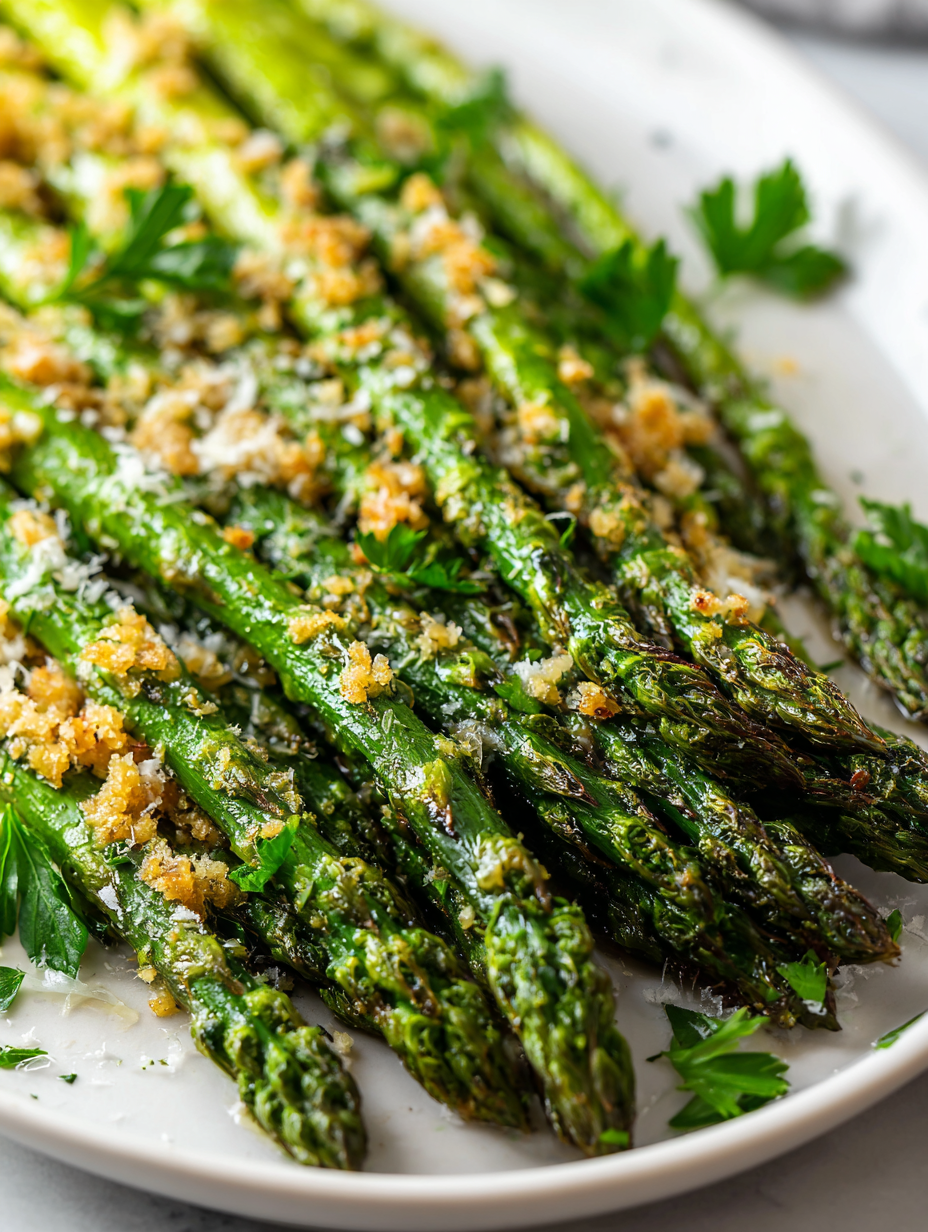
Garlic Parmesan Roasted Asparagus
Ingredients
Equipment
Method
- Preheat your oven to 220°C (430°F). Line a baking sheet with parchment paper or a non-stick mat to keep things easy and prevent sticking.
- Trim the woody ends off the asparagus, about 1-2 inches from the bottom, until you have tender, straight stalks.
- Place the trimmed asparagus on the baking sheet and drizzle with olive oil. Toss gently to coat each spear evenly; this helps them roast beautifully and develop flavor.
- Spread the asparagus in a single layer, making sure they aren’t overcrowded. This ensures crispy edges and even roasting.
- Roast in the oven for about 12-15 minutes, shaking the pan once halfway through, until the tips are blistered and the stalks are tender and vibrant green.
- While the asparagus roasts, thinly slice the garlic cloves. Keep a close eye on them later so they don’t burn—burnt garlic turns bitter and ruins the aroma.
- When the asparagus has about 3 minutes left, sprinkle the sliced garlic evenly over the spears and return to the oven. Roast until fragrant and just starting to turn golden, about 3 minutes.
- Remove the baking sheet from the oven and immediately sprinkle the hot asparagus with freshly grated Parmesan cheese. The heat will melt the cheese into crispy bits and add a lovely savory flavor.
- Finish with a pinch of flaky sea salt and, if desired, a squeeze of lemon for brightness. Serve immediately to enjoy the crispy cheese and tender, flavorful asparagus.
Pro tips for perfect roasted asparagus
- garlic slices: Thin, even slices ensure quick, uniform caramelization without burning.
- cheese: Grate Parmesan fresh from the block for melty, crispy edges and maximum flavor.
- spacing: Arrange asparagus in a single layer with space between stalks to promote even roasting.
- timing: Add garlic slices in the last 3 minutes to avoid bitter, burnt garlic and keep aroma bright.
- oven temp: Roast at a high heat—about 220°C (430°F)—to get those crispy, caramelized edges quickly.
- finishing: Sprinkle Parmesan immediately after roasting for optimal melt and crunch, then rest briefly before serving.
Common mistakes and how to fix them
- FORGOT to space asparagus evenly → overcrowding causes uneven roasting and soggy edges.
- DUMPED the garlic in too early → burns garlic, producing bitter flavor; add later for perfect aroma.
- OVER-TORCHED parmesan → watch closely near end; burnt cheese turns bitter and tough.
- FAILED to preheat oven → results in longer cook time and uneven caramelization. Always start hot.
Quick fixes and pantry swaps
- When asparagus is limp, splash with lemon juice to brighten and revive texture.
- If parmesan isn’t crispy enough, bump oven to 230°C (450°F) for a minute or two, watch closely.
- When garlic burns, patch with fresh slices added at the last moment, smell should be sweet and fragrant.
- Dumped too much oil? Shield with paper towels and reduce oil next time for less greasiness.
- When parmesan clumps, rescue by sprinkling over hot asparagus immediately so it melts into crispy bits.
Prep, store, and reheat tips
- You can prepare the asparagus up to a day in advance. Trim and toss with oil, then refrigerate covered. The flavors will deepen slightly overnight.
- Store roasted asparagus in an airtight container in the fridge for up to 2 days. The texture will soften a bit but still tasty with reheating.
- Reheat in a hot oven (around 180°C/350°F) for 5-7 minutes until warmed through and crispy edges reappear. Look for a shiny, fragrant surface.
- The garlic and parmesan flavors intensify as leftovers sit, so expect a slightly richer, more pronounced savory note on day two.
Top questions about roasted asparagus
1. How do I pick the best asparagus?
Look for firm, bright green stalks with tight tips. They should snap easily when bent. Avoid limp or yellowing spears for the best flavor and texture.
2. How do I prepare asparagus properly?
Trim the woody ends, usually about 1-2 inches from the bottom. You can snap them off naturally or cut with a knife for uniformity.
3. What’s the perfect roasting time for asparagus?
Roast at 220°C (430°F) for 12-15 minutes. The tips should be blistered and slightly caramelized, and the stalks tender but still vibrant green.
4. When should I add garlic during roasting?
Add garlic slices in the last 3 minutes of roasting. Keep an eye on them so they turn golden and fragrant but don’t burn and turn bitter.
5. Can I use pre-grated Parmesan?
Use freshly grated Parmesan for melty, crispy crusts. Pre-grated cheese tends to be less flavorful and melts unevenly. Fresh is best for flavor and texture.
6. Can I make this dish dairy-free?
Yes, you can substitute nutritional yeast for Parmesan if you want a dairy-free, cheesy flavor. It won’t get crispy but adds a savory umami note.
7. What if the cheese burns?
If parmesan turns burnt or bitter, lower the oven temperature slightly or remove it earlier. Keep a close eye near the end of roasting.
8. How do I get crispy edges?
Ensure even spacing on the baking sheet to promote crispy edges. Overcrowding causes steaming instead of roasting, resulting in soggy stalks.
9. How do I reheat leftovers?
Reheat in a hot oven at 180°C (350°F) for 5-7 minutes. The parmesan will crisp up again, and the asparagus will warm through without losing texture.
10. Can I add lemon or vinegar?
Yes, adding a squeeze of lemon or a splash of vinegar brightens the dish, balancing the richness of cheese and roasted garlic.
This simple roasted asparagus dish is a reminder that good flavor often comes from honest, unpolished techniques. The combination of garlic’s sweet, roasted aroma and parmesan’s crispy edge makes it a go-to side that feels both comforting and special.
Whenever I make this, I think about how a handful of ingredients and a hot oven can turn something humble into a centerpiece. It’s a dish that celebrates the beauty of straightforward, well-executed food that’s quick to pull together but rich in flavor.

Hi, I’m Jonny Andrew Miller, the cook, taster, and slightly messy mind behind Bite & Boom. I live in Austin, Texas, a city that smells like barbecue smoke, fresh tortillas, and late-night tacos if you wander long enough. It suits me.