
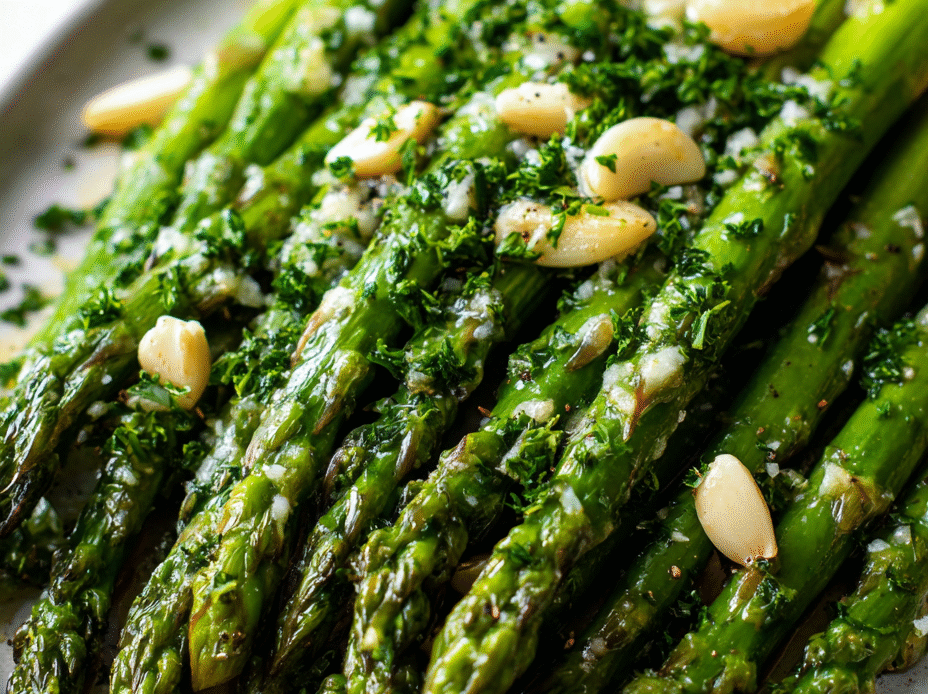
Sautéed asparagus with garlic butter might sound simple, but it’s one of those recipes that reveals itself through the sensory details. The way the garlic releases its aroma into the melting butter, filling the kitchen with a smoky, fragrant invitation, makes every bite feel like a small celebration. It’s not just about eating vegetables; it’s about experiencing them—each snap and sizzle heightening the anticipation.
This dish is my go-to when I want something quick yet deeply satisfying. There’s a certain joy in watching the bright green spears turn tender and glossy as they soak up that rich, fragrant butter. It’s a ritual of sorts—an honest, straightforward moment where flavor and aroma take center stage, almost like a secret handshake between ingredients.
Focusing on the sensory experience of each bite, emphasizing how the garlic butter transforms the asparagus from simple to seductively fragrant, almost like a secret handshake between ingredients.
The story behind this recipe
I first made this dish on a busy weeknight when I needed something quick but comforting. The moment I tossed the asparagus into the hot butter and garlic, the kitchen filled with a rich, almost smoky aroma that instantly lifted my mood. It’s one of those recipes I keep coming back to because it’s honest—bright, fragrant, and unfussy, yet somehow elevates simple vegetables into something memorable. Over the years, I’ve tweaked it here and there, but the core—garlic, butter, fresh asparagus—remains unchanged, always reminding me that good things don’t need to be complicated.
Key ingredients and tips
- Asparagus: I look for bright green, firm stalks that snap cleanly when bent—freshness is key for flavor. Swap for green beans if you want a different crunch but keep in mind they cook faster.
- Garlic: I prefer fresh, plump cloves that smell pungent and slightly sweet when cut. Dried garlic flakes work in a pinch but lack that bright, aromatic punch, so use sparingly.
- Butter: I use unsalted, preferably European-style for richness. Olive oil can lighten things up but won’t deliver the same velvety mouthfeel or garlic infusion.
- Salt: I add a pinch early to help release the asparagus’s moisture and flavor. Kosher salt is my go-to, but sea salt flakes add a nice crunch at the end.
- Lemon zest (optional): I love a quick sprinkle for brightness—adds a fresh, citrusy zing that cuts through the richness. Skip if you prefer a more mellow, buttery bite.
- Cooking oil: I use a little vegetable or neutral oil to prevent sticking. If you want more flavor, a splash of sesame oil gives a nutty aroma, but use it sparingly.
- Black pepper: I grind fresh over at the end for a sharp, pungent bite that complements the garlic butter. White pepper works well if you want a subtler heat.
Spotlight on key ingredients
Asparagus:
- I look for bright green, firm stalks that snap cleanly when bent—freshness is key for flavor. Swap for green beans if you want a different crunch but keep in mind they cook faster.
- Garlic: I prefer fresh, plump cloves that smell pungent and slightly sweet when cut. Dried garlic flakes work in a pinch but lack that bright, aromatic punch, so use sparingly.
Garlic:
- I prefer fresh, plump cloves that smell pungent and slightly sweet when cut. Dried garlic flakes work in a pinch but lack that bright, aromatic punch, so use sparingly.
- Butter: I use unsalted, preferably European-style for richness. Olive oil can lighten things up but won’t deliver the same velvety mouthfeel or garlic infusion.
Notes for ingredient swaps
- Dairy-Free: Olive oil or vegan butter can replace regular butter, but the richness will be slightly lighter and less velvety.
- Vegan: Use plant-based butter or coconut oil for a dairy-free, subtly sweet flavor that still crisps up nicely.
- Garlic Alternatives: Garlic powder can work in a pinch—use about half the amount, but expect a less pungent aroma and flavor.
- Lemon Variations: Lime or vinegar can add acidity—try a splash for brightness, but it won’t have the same mellow citrus aroma.
- Salt Options: Kosher or sea salt is ideal, but table salt can be used if you’re careful with the measurement to avoid over-salting.
- Oil Swaps: Sesame or avocado oil adds different aroma and heat tolerance—use sparingly to avoid overpowering the garlic butter.
- Herb Boost: Fresh thyme or parsley can be added for herbal freshness—use at the end for a bright, aromatic touch.
Equipment & Tools
- Large skillet: To cook the asparagus evenly and develop flavor with garlic butter.
- Tongs: To turn and toss the asparagus without breaking them.
- Small spoon: To measure and add garlic or butter as needed.
- Sharp knife: To trim the woody ends of the asparagus.
Step-by-step to perfect sautéed asparagus
- Gather your equipment: a large skillet (preferably non-stick), tongs, a small spoon, and a sharp knife for trimming. Preheat the skillet over medium heat, around 160°C (320°F).
- Trim the asparagus: snap off the woody ends with your hands, aiming for a clean, even base. Keep the spears uniform for even cooking.
- Mince 3-4 garlic cloves finely. The smaller the pieces, the more evenly the garlic infuses into the butter and aroma fills the kitchen.
- Add 2 tablespoons of unsalted butter to the skillet. Let it melt gently, just until it begins to foam but not brown, about 1-2 minutes.
- Toss in the trimmed asparagus. Spread them out so they sit flat in the pan, avoiding overcrowding. Cook for 3-4 minutes, shaking the pan occasionally for even heat.
- Add the minced garlic to the skillet. Stir quickly, allowing the garlic to release its fragrant aroma and turn slightly golden, about 30 seconds. Watch for a smoky, nutty smell—this is your cue.
- Continue cooking for another 2-3 minutes, until the asparagus turns bright green and starts to soften but still retains some crunch. The tips should be slightly crispy and fragrant.
- Season with a pinch of salt and freshly ground black pepper. Toss to coat everything evenly. If you like, add a squeeze of lemon juice or zest now for brightness.
- Remove from heat. Let the asparagus rest in the pan for a minute—this helps the flavors settle and prevents overcooking.
- Serve immediately on a warm plate, garnished with a little extra garlic butter drizzled over the top if desired. The asparagus should be tender yet crisp, bathed in fragrant garlic butter.
Transfer the asparagus to a serving plate. Drizzle with any remaining garlic butter. Serve immediately while warm and fragrant.
How to Know It’s Done
- Color: asparagus should be vibrant green with slightly crispy tips.
- Aroma: the garlic should smell fragrant and slightly toasted, not raw or burnt.
- Texture: asparagus should be tender but still have a satisfying bite.
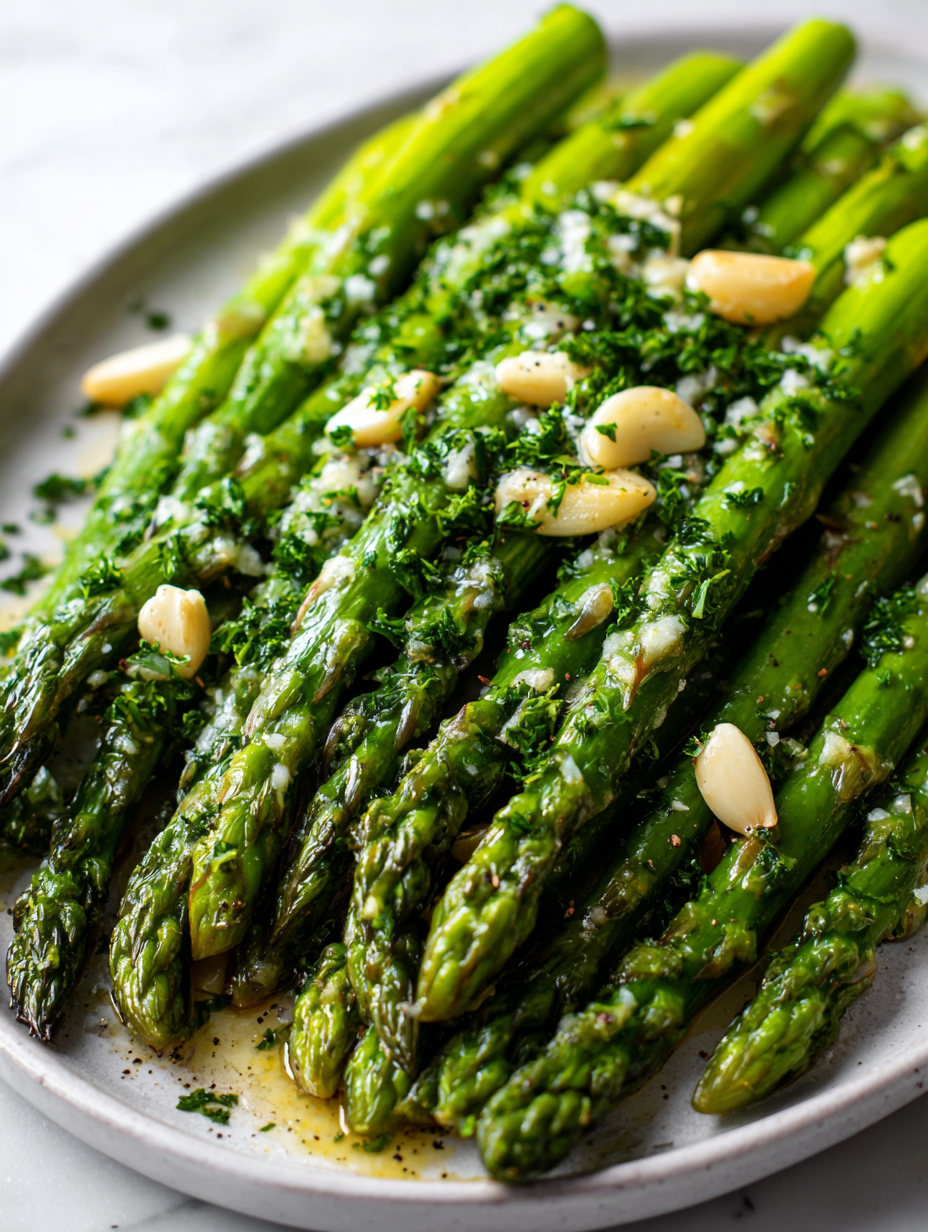
Sautéed Asparagus with Garlic Butter
Ingredients
Equipment
Method
- Start by trimming the woody ends off the asparagus—snap each stalk where it naturally bends to ensure even, tender bites. Arrange the spears on a cutting board for easy handling.
- Preheat your large skillet over medium heat until a drop of water sizzles when flicked in—this indicates the pan is ready for sautéing.
- Add the butter to the skillet and let it melt gently, creating a soft bubbling sound. Swirl the pan slightly to coat the surface evenly with the melted butter.
- Place the trimmed asparagus in the skillet in a single layer. Let them cook undisturbed for 2-3 minutes, until the bottoms turn a light golden color and smell buttery and fragrant.
- Stir the asparagus with tongs to turn them, ensuring they cook evenly on all sides. Continue sautéing for another 2-3 minutes until they turn bright green and start to soften.
- Add the minced garlic to the skillet and quickly stir to distribute it among the asparagus. Cook for about 30 seconds, until the garlic releases a fragrant aroma and turns slightly golden, but not burnt.
- Sprinkle a pinch of salt and some freshly ground black pepper over the asparagus. Toss everything together with tongs to coat evenly and enhance the flavors.
- If using, add the lemon zest now for a fresh, citrusy brightness that complements the garlic butter perfectly.
- Remove the skillet from heat and let the asparagus sit for a minute, allowing the flavors to settle and the aroma to deepen.
- Transfer the sautéed asparagus to a serving plate, drizzle any remaining garlic butter from the pan over the top, and serve immediately while vibrant and fragrant.
Pro tips for perfect sautéed asparagus
- Sizzle test: Drop a small piece of butter in the pan—if it crackles immediately, the pan is ready for asparagus.
- Garlic timing: Add garlic only after butter melts—this prevents burning and keeps that fragrant, nutty aroma intact.
- Even coating: Use tongs to turn the asparagus frequently—this ensures each spear gets a good coating of garlic butter.
- Color cue: Asparagus should turn a vibrant green with slightly crispy tips—don’t overcook or they’ll turn mushy and dull.
- Flavor boost: Finish with a quick squeeze of lemon or a sprinkle of zest—brightens the rich, buttery flavor instantly.
- Pan choice: A large skillet helps avoid overcrowding—this keeps the asparagus crisp and prevents steaming instead of sautéing.
- Rest briefly: Let the cooked asparagus sit for a minute in the pan—this helps the flavors settle and enhances aroma.
Common mistakes and how to fix them
- FORGOT to trim asparagus ends → Trim evenly for uniform cooking.
- DUMPED garlic in cold butter → Add garlic after butter melts to prevent burning.
- OVER-TORCHED garlic → Reduce heat when garlic becomes fragrant to avoid bitterness.
- MISSED to check spears after 4 minutes → Test for tenderness with a quick snap or fork.
Quick fixes for sautéed asparagus
- When asparagus is limp, splash with a splash of lemon juice to revive brightness.
- If garlic burns, patch with a splash of water and lower heat immediately.
- Dumped too much salt? Rinse briefly, then start fresh with a light seasoning.
- Overcooked asparagus? Shield with a quick drizzle of olive oil and serve immediately.
- Forgot to include lemon zest? Garnish with a squeeze of lemon for instant freshness.
Prep, store, and reheat tips
- Trim and rinse the asparagus the night before; store in a damp paper towel in the fridge for up to 24 hours, keeping them crisp and bright green.
- Minced garlic can be prepared ahead and kept in an airtight container in the fridge for up to 2 days, but avoid prepping too early as it can lose potency.
- Garlic butter can be made in advance, stored in a sealed jar in the fridge for up to 3 days; reheat gently until melted and fragrant before using.
- Refrigerated cooked asparagus will soften slightly; reheat quickly in a hot skillet or microwave, watching for that fresh, fragrant aroma to return.
- For best sensory experience, serve freshly sautéed; reheated asparagus may lose some of its crispness and fragrant garlic notes, but still flavorful if handled properly.
Top questions about sautéed asparagus
1. How do I pick the best asparagus?
Look for firm, bright green spears with tight tips. If they feel limp or dull, they’re past their prime.
2. Can I use garlic powder instead of fresh garlic?
Use fresh garlic cloves—plump, fragrant, and slightly sweet when sliced. Dried garlic can work but won’t give that bright aroma.
3. How hot should the pan be for garlic butter?
Butter should be melted gently over medium heat until it just starts to foam. The aroma should be nutty and fragrant, not burnt.
4. How long do I sauté asparagus?
Cook for about 3-4 minutes until the asparagus is vibrant green and tips are slightly crispy. Overcooking makes them mushy.
5. Can I make this vegan or dairy-free?
Yes, you can swap olive oil or coconut oil for butter, but expect a lighter, less velvety flavor.
6. Should I add lemon to the asparagus?
Adding a squeeze of lemon or zest brightens the dish and enhances the garlic aroma. It’s a quick flavor boost.
7. Why are my asparagus soggy instead of crispy?
Overcrowding causes steaming instead of sautéing, resulting in soggy spears. Use a large skillet and spread them out.
8. What if garlic burns during cooking?
If garlic starts to turn brown and smell bitter, remove it immediately and lower the heat to prevent burning.
9. When should I serve sautéed asparagus?
Serve immediately while the garlic butter is fragrant and the asparagus is still crisp for maximum flavor.
10. How do I store and reheat leftovers?
Store leftovers in an airtight container in the fridge for up to 2 days. Reheat quickly in a hot skillet to revive the aroma and crispness.
This dish is a reminder that simple ingredients, when treated with care, can deliver profound flavor. The fragrant garlic butter elevates the asparagus beyond just a vegetable side, making each bite a small, fragrant celebration. It’s perfect for those moments when you want quick, honest, and deeply satisfying food.
In a world full of complicated recipes, this one keeps it straightforward—bright, fragrant, and textured just right. It’s a dish that feels like a little ritual, grounding you in the joy of honest cooking without fuss. Sometimes, the simplest things leave the most memorable impression.

Hi, I’m Jonny Andrew Miller, the cook, taster, and slightly messy mind behind Bite & Boom. I live in Austin, Texas, a city that smells like barbecue smoke, fresh tortillas, and late-night tacos if you wander long enough. It suits me.