
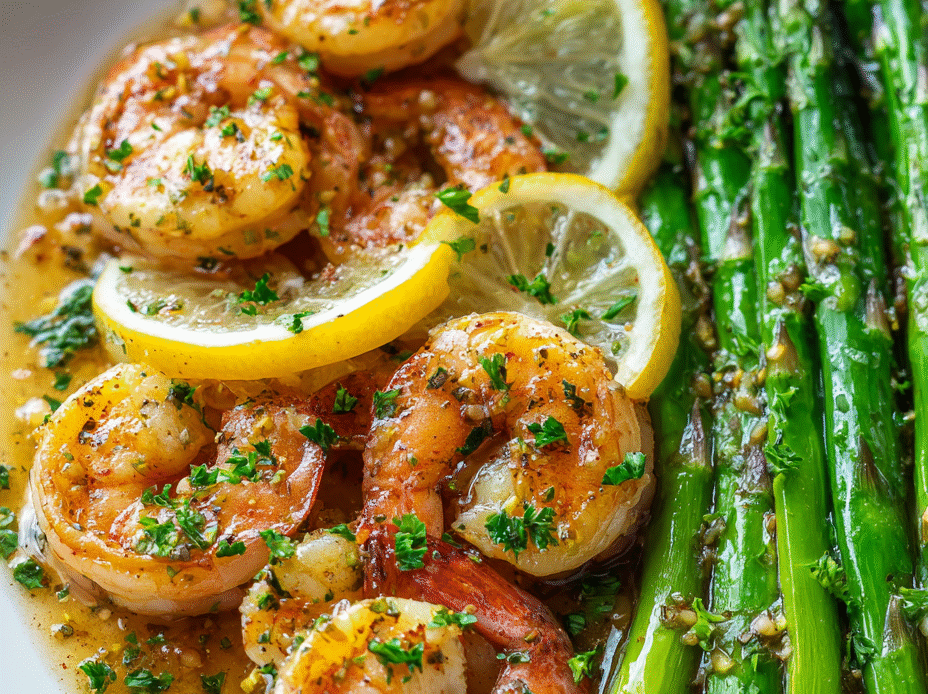
This shrimp and asparagus recipe is all about playing with textures—crisp-tender asparagus paired with juicy, slightly caramelized shrimp. I love how the heat transforms each component, creating a contrast that keeps every bite interesting, especially with a splash of citrus to brighten everything up.
It’s a quick dish to throw together after a long day, but it feels fancy enough to serve when guests drop by. I’ve found that focusing on the temperature and the way each ingredient cooks changes the whole vibe of the plate. Plus, that smell—garlic, lemon, a bit of char—makes the kitchen feel alive and inviting.
Focusing on the interplay of texture and temperature, this recipe highlights the contrast between tender shrimp and crisp asparagus, served with a quick citrusy glaze that heightens each bite.
Texture and Temperature Play
- Cooking this dish always takes me back to summer evenings on the porch, where simple flavors felt like a celebration.
- I get a little nervous every time I cook shrimp—hoping I don’t overcook it and turn it rubbery, but when I get it right, the smell of garlic and lemon fills the kitchen with a promise of good taste.
- There’s a quiet pride I feel when I see the perfect char on the asparagus, like I’ve caught that elusive moment of crunch and smoky aroma just right.
- A rush of relief washes over me when I find that sweet spot—shrimp juicy, asparagus crisp, and everything coated in that bright, citrus glaze.
- Honestly, making this dish feels like a small victory—fast, fresh, and full of flavor, perfect for busy nights when I want something satisfying but not heavy.
The story behind this recipe
- This dish started as a way to use up a bunch of fresh asparagus and some leftover shrimp that needed cooking fast. I wanted something that felt vibrant and simple, but with a little twist of brightness from lemon and garlic. It’s become a go-to for weeknights when I need quick flavor without fuss.
- I remember the first time I nailed the timing—shrimp just pink and juicy, asparagus still crisp but tender enough to bite through easily. That moment of perfect contrast in texture, with everything lightly charred, made me realize how much I love focusing on temperature and quick searing. It’s about capturing that fleeting moment when everything comes together just right.
- heading: Quick Inspiration
Historical and Cultural Tidbits
- This dish has roots in Mediterranean coastal cuisines, where quick, fresh seafood is combined with seasonal vegetables.
- The combination of shrimp and asparagus became popular in American homes in the late 20th century as a quick, elegant weeknight dinner.
- In some regions, asparagus was considered a luxury vegetable, so pairing it with affordable shrimp made it accessible and special.
- The dish highlights the trend of minimalistic cooking—letting quality ingredients and precise timing shine without heavy sauces.
- Historically, searing seafood alongside vegetables like asparagus was a way to maximize flavor with simple techniques and fresh ingredients.
Key Ingredients Breakdown
- Shrimp: I like them peeled and deveined, with tails on for presentation—juicy and sweet, they cook quickly and turn opaque. Swap for scallops if you want a richer flavor, but watch the cooking time—overcooked scallops get rubbery fast.
- Asparagus: Fresh, vibrant spears have that crisp snap and a slightly earthy aroma when cooked. If you only have thick stalks, give them a quick parboil first; thinner ones can go straight to the pan for a quick sear, keeping that bright green and tender bite.
- Garlic: I use plenty of minced garlic for that pungent, fragrant punch—watch it carefully as it can burn easily and turn bitter. For a milder flavor, try garlic powder; it won’t have the same punch but still adds depth.
- Lemon: Bright, zesty, and essential for that citrusy glaze—sometimes I zest before squeezing for maximum punch. If lemons are scarce, a splash of vinegar or lime juice works, but it won’t have that same sunny aroma.
- Olive oil: I prefer a good quality extra virgin for that fruity aroma and rich flavor—use it generously at the start for searing. If you want a lighter version, swap in avocado oil, which has a similar smoke point and mellower flavor.
- Red pepper flakes: Just a pinch adds a subtle heat and a touch of chaos—use more if you like it spicy. Dried chili powder can also work but tends to be more pungent and less fresh than flakes.
- Citrus glaze: I mix lemon juice with a touch of honey or maple to balance acidity and sweetness—aim for a bright, slightly sticky finish. A splash of orange juice can add a different citrus note, if you’re feeling adventurous.
Spotlight on key ingredients
Shrimp:
- I prefer them peeled and deveined with tails on—juicy, sweet, and quick to cook. When properly heated, they turn opaque with a slight curl, releasing a fragrant aroma. Overcooking makes them rubbery, so timing is key.
- Asparagus: Fresh spears should snap easily when bent—an indicator of crisp-tender perfection. During cooking, they develop a smoky aroma and a slight char, contrasting beautifully with their bright green color. Thicker stems may need a quick parboil beforehand to ensure even tenderness.
Lemon:
- Asparagus: The spears are tender yet retain a satisfying snap when seared. When in the pan, they catch the light with a slight sheen and develop a smoky aroma. Thin stalks cook quickly, so watch for a vibrant green and lightly caramelized edges; thicker ones may need a pre-boil for uniform doneness.
- It’s all about that zesty brightness—when zested, the aroma is sharp and fresh. During cooking, lemon juice bubbles gently, releasing a citrusy scent that lifts the dish. The zest adds a fragrant, slightly oily layer that enhances the citrus punch.
Notes for ingredient swaps
- Seafood Swap: Use scallops instead of shrimp for a richer, milder flavor. Be mindful of longer cooking time to avoid overcooking.
- Vegetable Swap: If asparagus isn’t available, green beans or snap peas can add a similar crunch and freshness. Adjust cooking time accordingly.
- Citrus Alternative: Lime juice offers a slightly different tang, but still bright and punchy. Orange juice adds sweetness and a mellow aroma.
- Oil Choice: Avocado oil is a good substitute for olive oil—neutral flavor and high smoke point, perfect for searing.
- Garlic Substitute: Garlic powder can work in a pinch; use about half as much. It won’t have the same pungency but still adds depth.
- Sweetener Swap: Honey or agave syrup can replace maple or honey in the glaze. Adjust quantity to taste for less sweetness.
- Herb Variations: Fresh thyme or basil can be added for an herbal note—use sparingly, as these can overpower the citrus and seafood.
Equipment & Tools
- Large skillet: For searing and cooking everything evenly.
- Tongs and spatula: Handling and flipping ingredients without breaking them.
- Juicer or hand-held citrus press: Extracting fresh lemon juice efficiently.
- Cutting board and knife: Preparing garlic, lemon zest, and trimming asparagus.
Step-by-step guide to shrimp and asparagus
- Equipment & Tools: Use a large, heavy skillet—preferably cast iron—for even heat and good sear. Have tongs and a spatula ready for flipping and handling ingredients.
- Prep the ingredients: Peel and devein shrimp, leaving tails on if desired. Trim asparagus to about 4-5 inches, keeping spears uniform for even cooking. Mince 3-4 garlic cloves and zest one lemon, then juice it.
- Heat the skillet over medium-high heat (around 200°C / 390°F). Add 2 tablespoons of olive oil, letting it shimmer but not smoke.
- Sear the shrimp: Place shrimp in the hot pan, cooking for 1-2 minutes per side until they turn opaque and develop a light golden crust. Remove and set aside.
- Cook the asparagus: In the same pan, add a touch more oil if needed. Lay asparagus in a single layer. Sear for 2-3 minutes, shaking the pan or turning with tongs, until they get a slight char and are tender-crisp. If thick, give them a quick parboil first.
- Add garlic: Push asparagus to the side, add minced garlic, and cook for 30 seconds until fragrant but not browned. Be vigilant—garlic burns fast and turns bitter.
- Deglaze with lemon juice: Pour in the lemon juice, scraping the bottom with a spatula to pick up all the caramelized bits. Add a teaspoon of honey or maple syrup for balance if desired.
- Return shrimp: Toss shrimp back into the pan, coating everything with the citrus glaze. Cook for an additional minute to reheat the shrimp and meld flavors.
- Finish with lemon zest: Sprinkle lemon zest over the dish for a fresh burst. Check seasoning, adding salt or pepper if needed.
- Rest & Plate: Transfer to a serving platter, drizzle with any remaining pan juices, and garnish with extra lemon wedges. Serve immediately while hot and fragrant.
- Checkpoints & How to Know It’s Done: Shrimp should be pink and firm, about 2-3 minutes after returning to the pan. Asparagus should be tender-crisp with a slight char. The citrus glaze should be glossy and slightly sticky.
Serve immediately on a warmed plate. Drizzle with any pan juices, garnish with extra lemon zest or wedges for brightness. Enjoy the contrast of hot, juicy shrimp with crisp asparagus.
How to Know It’s Done
- Shrimp: opaque, firm, and pink.
- Asparagus: bright green with a slight char, tender but crisp.
- Citrus glaze: glossy, slightly sticky, and aromatic.
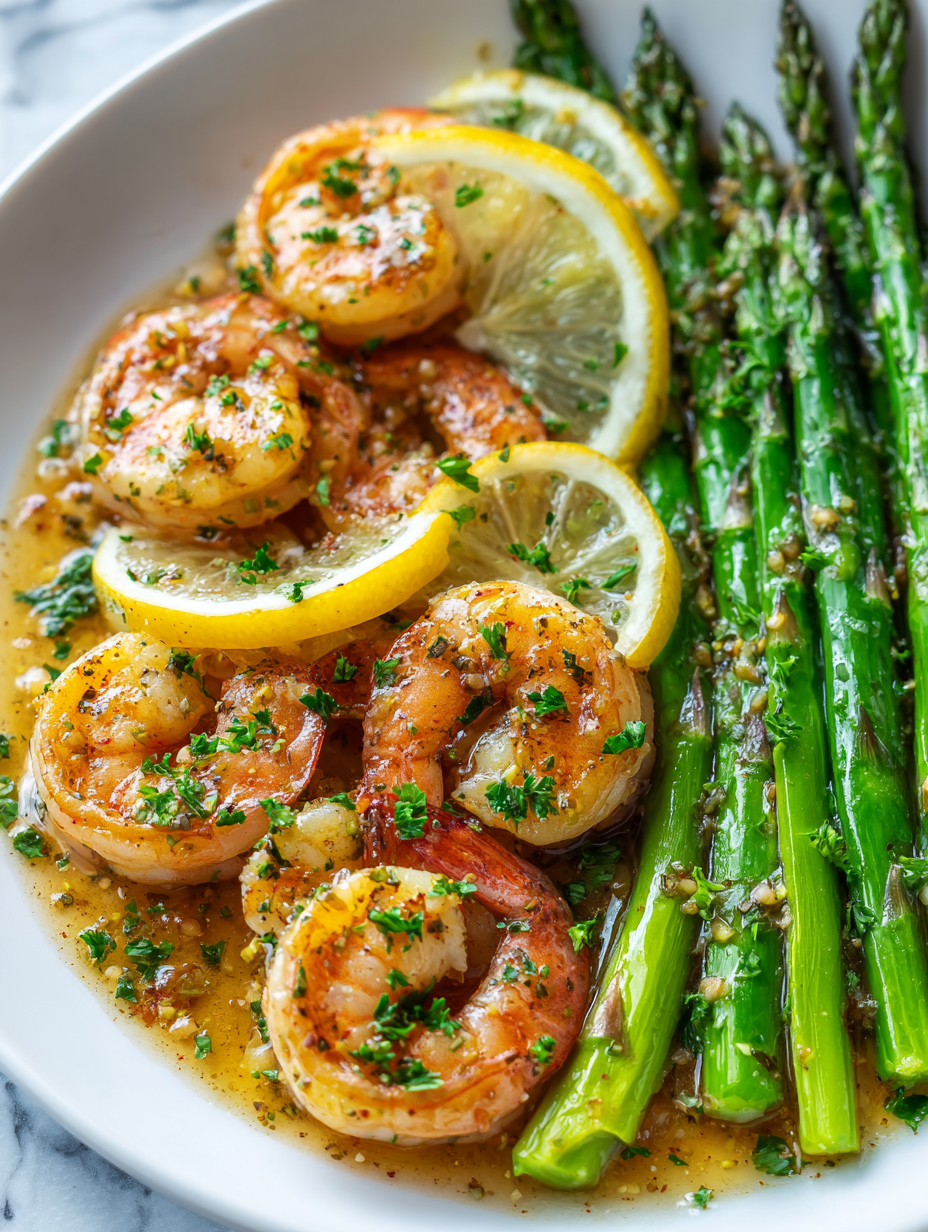
Lemon Garlic Shrimp with Asparagus
Ingredients
Equipment
Method
- Start by preparing all your ingredients: peel and devein the shrimp, leaving tails on if you like, and trim the asparagus to about 4-5 inches, keeping the spears uniform for even cooking. Mince the garlic, zest the lemon, and then juice it using a citrus press or your hands.
- Heat a large skillet over medium-high heat until it’s hot and shimmering. Add 1 tablespoon of olive oil and swirl to coat the pan evenly.
- Place the shrimp into the hot skillet in a single layer. Cook for about 1-2 minutes on each side until they turn opaque, pink, and develop a light golden crust. Use tongs to flip them gently, and then remove from the pan once cooked.
- In the same skillet, add the remaining 1 tablespoon of olive oil if needed. Lay the asparagus spears in a single layer and sear for 2-3 minutes, shaking the pan or turning with tongs, until they develop a slight char and become tender-crisp. If your spears are thick, consider giving them a quick pre-boil to ensure even doneness.
- Push the asparagus to one side of the pan and add the minced garlic. Cook for about 30 seconds, stirring constantly, until fragrant and golden. Be careful not to burn it, as burnt garlic turns bitter.
- Pour the freshly squeezed lemon juice into the pan, scraping up any caramelized bits from the bottom to deglaze. Add the lemon zest and a teaspoon of honey or maple syrup if you want a touch of sweetness in your glaze. Let it bubble gently for about 30 seconds.
- Return the cooked shrimp to the skillet, tossing everything gently to coat the shrimp and asparagus with the citrusy glaze. Cook for another minute until everything is heated through and well coated.
- Finish by sprinkling the lemon zest over the dish for a fresh burst of aroma. Taste and adjust seasoning with a pinch of salt or more lemon juice if needed. Serve immediately, garnished with extra lemon wedges if desired.
Notes
Pro tips for shrimp and asparagus
- Preheat the pan: Make sure your skillet is hot enough—almost smoking—before adding oil for that perfect sear.
- Don’t overcrowd: Cook shrimp and asparagus in batches if needed; overcrowding causes steaming instead of searing and dulls the color.
- Garlic caution: Add minced garlic after the initial sear—burnt garlic turns bitter fast, so keep it moving in the pan.
- Deglaze for flavor: Splash lemon juice into the hot pan to lift caramelized bits—this adds brightness and depth to the sauce.
- Timing is everything: Shrimp cook quickly—about 2-3 minutes per side—look for opaque, pink flesh and a slight curl.
- Finish with zest: Grate lemon zest last, just before serving, to keep its vibrant aroma and avoid bitterness.
- Taste as you go: Adjust seasoning at the end—more lemon, salt, or a pinch of chili flakes—to perfect balance.
Common mistakes and how to fix them
- FORGOT to adjust heat after adding shrimp → Sear shrimp at medium-high, then reduce to finish.
- DUMPED in too much oil → Use just enough to lightly coat ingredients, avoid greasy dishes.
- OVER-TORCHED the asparagus → Keep an eye, shake pan, remove when vibrant green and slightly charred.
- CROWDED the pan with ingredients → Cook in batches if needed, to ensure proper searing and color.
Quick fixes and pantry swaps
- When shrimp turn rubbery, splash cold water in the pan to stop overcooking.
- DUMPED in too much oil? Wipe excess with paper towel and resume searing.
- Over-torched asparagus? Shield with foil or remove early to prevent bitterness.
- Splash lemon juice when pan is hot for a vibrant, shimmering glaze—avoid bitter burnt spots.
- Rescue a smoky dish by adding a splash of water or broth to mellow the char.
Prep, store, and reheat tips
- Peel and devein the shrimp ahead of time; keep them refrigerated in an airtight container for up to 24 hours. Their juicy texture stays intact and ready to sear.
- Trim and wash the asparagus the day before. Store in a damp paper towel inside a plastic bag. Keeps crisp and bright for up to 2 days.
- Prepare the citrus glaze ingredients—zest and juice the lemon—up to a day in advance. Keep in an airtight jar in the fridge; the aroma intensifies over time.
- Cook the dish fully and reheat gently in a skillet over low heat, covered, for about 3-4 minutes. The shrimp might lose a bit of juiciness, but the flavors remain lively.
- For leftovers, store in an airtight container in the fridge for up to 1 day. Reheat until steaming hot, watching for overcooking that can toughen the shrimp.
Top questions about shrimp and asparagus
1. How do I know when shrimp are cooked?
Shrimp should be pink, opaque, and firm—about 2-3 minutes per side over medium-high heat. Overcooking makes them rubbery.
2. When is asparagus perfectly cooked?
Asparagus is done when it turns bright green, has a slight char, and is tender but still crisp—about 2-3 minutes seared.
3. Can I substitute lemon in this recipe?
Use fresh lemon juice and zest for brightness. If unavailable, lime juice adds a similar tang, but orange gives a mellow sweetness.
4. Can I prepare ingredients in advance?
Peel and devein shrimp ahead, store in the fridge up to 24 hours. Trim asparagus a day prior, keep in damp paper towel in fridge.
5. How do I prevent overcrowding in the pan?
Cook shrimp in batches if necessary to avoid overcrowding, which causes steaming instead of searing and dulls the color.
6. When should I add garlic?
Add garlic after searing the shrimp and asparagus to prevent burning. It cooks quickly—about 30 seconds—until fragrant.
7. What if the dish gets too smoky?
If the dish is too smoky, splash a little water or broth into the pan to mellow the char and lift flavors.
8. How do I reheat leftovers?
Reheat gently in a skillet over low heat, covered, for 3-4 minutes. Shrimp may lose some juiciness but flavor stays vibrant.
9. Can I use other seafood instead of shrimp?
For a richer taste, swap shrimp for scallops but watch cooking time carefully—overcooked scallops turn rubbery quickly.
10. What oil should I use?
Use good quality olive oil for searing to get a fruity aroma. Avocado oil is a good neutral alternative with a high smoke point.
This shrimp and asparagus dish is a simple reminder of how fresh ingredients and attention to heat can create something memorable. The way the bright citrus cuts through the smoky char highlights the best of early spring produce, making it perfect for a quick weeknight dinner or a casual gathering.
Even if you’re pressed for time, focusing on the timing and temperature will reward you with juicy shrimp and crisply seared asparagus. It’s one of those recipes that feels both satisfying and refreshing, a true showcase of straightforward cooking done well.

Hi, I’m Jonny Andrew Miller, the cook, taster, and slightly messy mind behind Bite & Boom. I live in Austin, Texas, a city that smells like barbecue smoke, fresh tortillas, and late-night tacos if you wander long enough. It suits me.