
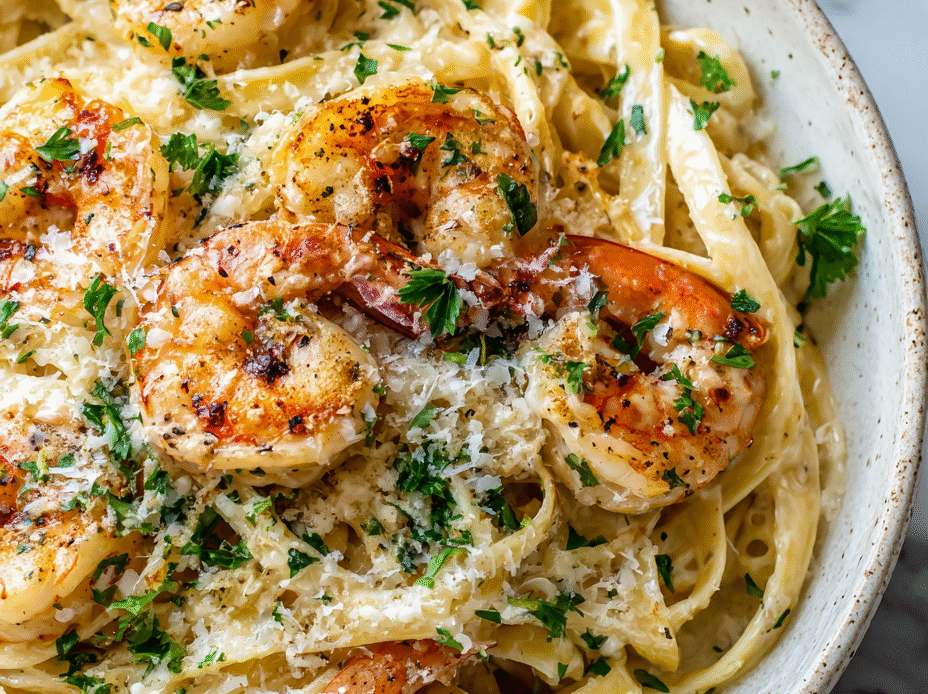
Getting that glossy, silky Alfredo sauce to cling perfectly to shrimp sounds simple, but it’s all in the emulsification. I’ve spent years tweaking the process, chasing that restaurant-quality finish without fancy equipment. It’s about patience, really, and understanding how each ingredient plays its part in that smooth, rich texture.
Shrimp Alfredo is one of those dishes that feels indulgent yet straightforward—perfect for a weeknight treat or a small dinner party. The trick is in mastering the sauce so it’s neither too thick nor too runny, and making sure the shrimp stay tender and flavorful amidst all that creamy goodness. Once you get the hang of that, it’s like having a secret weapon up your sleeve.
Focusing on the overlooked technique of perfectly emulsifying the Alfredo sauce to achieve a silky, restaurant-quality finish at home.
The overlooked art of emulsification
- Making this dish always takes me back to family Sunday dinners, where the aroma of garlic and shrimp filled the house.
- Nothing beats the satisfaction of achieving that perfect silky sauce after a few tries—it’s a small victory every time.
- I love how versatile this recipe is; it can be a quick weeknight meal or something a bit more special for guests.
- Getting the shrimp just right—tender, not rubbery—feels like a tiny, personal triumph in the busy kitchen.
The story behind this recipe
- This recipe was born out of a lazy weekend craving for something rich but simple, and a leftover jar of Parmesan that was just begging to be used. I remember the first time I got that sauce to cling perfectly—felt like I’d cracked some secret code in the kitchen.
- Growing up, shrimp Alfredo was always a special treat from a local Italian place, but I wanted to recreate that creamy, cheesy magic at home without buying all the fancy ingredients. It’s become my go-to for when I need comfort in a bowl, especially on cooler nights when the house smells like garlic and melting cheese.
- Every batch reminds me to keep things slow and steady—emulsify that sauce, don’t rush it. And there’s a quiet pride in pulling off a dish that’s both simple and indulgent, especially when it turns out just right after a few tries.
- Now, whenever I make this, I think about how a handful of ingredients—shrimp, cream, cheese—can come together to make something that feels fancy but is really just about patience and good timing.
Historical tidbits about Shrimp Alfredo
- Shrimp Alfredo’s roots trace back to Italian-American cuisine, blending traditional pasta techniques with American creaminess.
- The dish gained popularity in the 1950s as a quick, indulgent dinner option in busy households.
- Originally, Alfredo sauce was made with just butter and Parmesan—cream was a later addition to boost richness.
- Some food historians believe the dish was adapted from classic Roman recipes, simplified for home cooks.
Key ingredients and tips
- Shrimp: I prefer deveined, peeled shrimp with tails on for that extra burst of ocean flavor, and a nice chewy bite. You can skip tails if you want a cleaner look, but the flavor takes a hit.
- Heavy Cream: I use full-fat cream for richness that coats your palate with a velvety feel. Light cream or milk will thin out the sauce and lose that lush texture—try to stick with cream if possible.
- Parmesan Cheese: Freshly grated Parmesan melts into the sauce and adds that salty, nutty kick. Pre-grated works fine, but freshly grated really makes a difference—more ooze, more flavor.
- Garlic: I love a generous amount of crushed garlic—smells like heaven, and it’s the backbone of that savory depth. If you’re sensitive, tone it down, but don’t skip it entirely.
- Butter: Use unsalted butter for control over salt levels. It adds a subtle richness and helps emulsify the sauce, giving that glossy finish. Let it melt slowly to avoid browning.
- Pasta: Fettuccine or linguine work best—long, flat, and able to cling to that creamy sauce. Cook until just al dente, and save a splash of pasta water for that perfect silkiness.
- Lemon Juice: A squeeze of fresh lemon brightens everything up—adds a zesty contrast to the richness. Use sparingly at first, then adjust to taste for a fresh, clean finish.
Spotlight on key ingredients
Shrimp:
- I prefer deveined, peeled shrimp with tails on for that extra burst of ocean flavor, and a nice chewy bite. You can skip tails if you want a cleaner look, but the flavor takes a hit.
- Heavy Cream: I use full-fat cream for richness that coats your palate with a velvety feel. Light cream or milk will thin out the sauce and lose that lush texture—try to stick with cream if possible.
- Parmesan Cheese: Freshly grated Parmesan melts into the sauce and adds that salty, nutty kick. Pre-grated works fine, but freshly grated really makes a difference—more ooze, more flavor.
Cream and Cheese:
- Garlic: I love a generous amount of crushed garlic—smells like heaven, and it’s the backbone of that savory depth. If you’re sensitive, tone it down, but don’t skip it entirely.
- Butter: Use unsalted butter for control over salt levels. It adds a subtle richness and helps emulsify the sauce, giving that glossy finish. Let it melt slowly to avoid browning.
- Lemon Juice: A squeeze of fresh lemon brightens everything up—adds a zesty contrast to the richness. Use sparingly at first, then adjust to taste for a fresh, clean finish.
Notes for ingredient swaps
- Dairy-Free: Coconut milk or cashew cream can replace heavy cream, but they add a subtle sweetness and nutty flavor that changes the dish’s richness.
- Cheese Alternatives: Nutritional yeast or vegan Parmesan can be used instead of traditional Parmesan for a cheesy flavor with a different, slightly nuttier profile.
- Seafood Swap: Scallops or firm white fish can be a good stand-in for shrimp, offering a different texture but still delivering a seafood essence.
- Gluten-Free: Use gluten-free pasta varieties—brown rice or chickpea pasta work well—though they may have a different chew and flavor.
- Butter Substitute: Olive oil or vegan butter can replace butter, which slightly alters the richness and mouthfeel but keeps the sauce smooth.
- Lemon Brightness: Lime juice or vinegar can substitute lemon juice for acidity; they bring a different tang but still lift the sauce.
- Herb Boost: Fresh basil or tarragon adds unique aroma and flavor notes, replacing parsley or traditional herbs for a personal touch.
Equipment & Tools
- Large skillet: Cook the shrimp and sauce in one pan.
- Slotted spoon: Remove shrimp without excess liquid.
- Whisk: Emulsify the sauce smoothly.
- Pasta pot: Cook the pasta separately.
Step-by-step guide to Shrimp Alfredo
- Equipment & Tools: Gather a large skillet (preferably stainless steel), a slotted spoon for shrimp, a whisk for sauce, and a pasta pot. Have a measuring cup and tongs ready.
- Cook pasta: Boil water with a good pinch of salt in the pasta pot. Add fettuccine and cook until just al dente, about 8 minutes. Drain, saving about ½ cup pasta water.
- Prepare shrimp: While pasta cooks, heat 1 tbsp olive oil in the skillet over medium-high (around 180°C/356°F). Season shrimp with salt and pepper. Sauté shrimp for 2-3 minutes per side until pink and opaque. Remove and set aside.
- Make Alfredo base: In the same skillet, lower heat to medium. Melt 2 tbsp butter, then add 4 minced garlic cloves. Cook until fragrant, about 30 seconds. Pour in 1 cup heavy cream, stirring constantly for 2 minutes until slightly thickened.
- Emulsify sauce: Gradually add ½ cup grated Parmesan, stirring until melted and smooth. If sauce seems too thick, stir in reserved pasta water a tablespoon at a time until glossy and silky.
- Combine pasta & shrimp: Add cooked pasta to the skillet, tossing to coat evenly. Return shrimp to the skillet, mixing gently. Cook together for another minute until everything is heated through.
- Final touches: Squeeze in a half teaspoon of lemon juice, taste, and adjust salt or pepper if needed. The sauce should be creamy, shiny, and cling to the noodles.
- Rest & serve: Let the dish sit off heat for 1 minute to settle. Plate immediately, garnishing with extra Parmesan or chopped parsley if desired.
Let the pasta sit off heat for a minute, then serve immediately. Garnish as desired with cheese or herbs for extra flair.
How to Know It’s Done
- Shrimp: Pink, opaque, slightly firm to the touch.
- Sauce: Smooth, glossy, and coats the pasta without pooling.
- Pasta: Al dente, with a slight bite, not mushy.
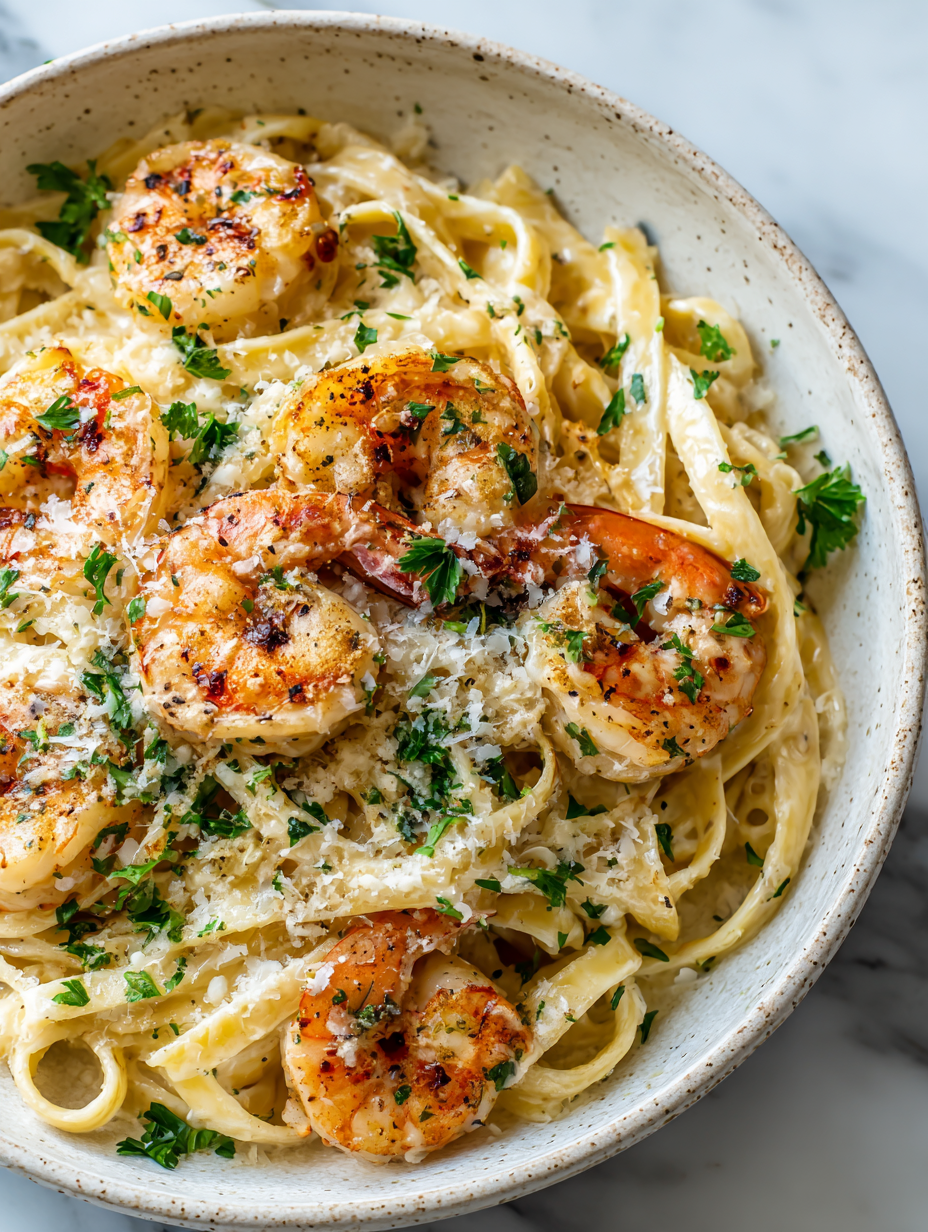
Shrimp Alfredo
Ingredients
Equipment
Method
- Bring a large pot of salted water to a boil and cook the pasta until just al dente, about 8 minutes. Drain, reserving ½ cup of pasta water, and set aside.
- While the pasta cooks, heat a large skillet over medium-high heat and add a tablespoon of olive oil. Season the shrimp with salt and pepper, then sauté until pink and opaque, about 2-3 minutes per side. Remove the shrimp and set aside.
- In the same skillet, lower the heat to medium and melt the butter. Add the minced garlic and cook until fragrant, about 30 seconds, until it starts to turn golden and releases a rich aroma.
- Pour in the heavy cream, stirring constantly. Let it simmer gently for 2 minutes until it begins to thicken slightly and coats the back of a spoon.
- Gradually add the grated Parmesan cheese, whisking constantly off the heat to create a smooth, glossy sauce. If it’s too thick, stir in a splash of the reserved pasta water to loosen and emulsify the sauce better.
- Return the cooked shrimp to the skillet and toss to coat in the sauce, heating through for about 1 minute. Add a squeeze of lemon juice to brighten the flavors.
- Pour the drained pasta into the skillet, tossing gently to coat all the noodles evenly with the creamy sauce. If needed, add more pasta water a tablespoon at a time until the sauce is silky and clings beautifully to the pasta.
- Cook everything together for another minute, tasting and adjusting seasoning with salt and pepper. The sauce should be shiny, smooth, and perfectly cling to the pasta and shrimp.
- Serve immediately, garnished with extra Parmesan or chopped parsley if desired, and enjoy the rich, creamy texture of this homemade Shrimp Alfredo.
Pro tips for perfect Shrimp Alfredo
- Use fresh garlic and crush it just before adding to release more aroma and flavor.
- When melting butter, do it slowly on medium heat to prevent browning and develop a richer sauce.
- Gradually add Parmesan off the heat, stirring constantly to ensure smooth, clump-free cheesy sauce.
- Cook shrimp over high heat quickly—about 2-3 minutes per side—until just pink and opaque, avoiding rubbery texture.
- To emulsify the sauce, pour the cream in a thin steady stream while whisking vigorously—this creates that glossy, silky finish.
- Reserve a cup of pasta water before draining; add a splash during sauce mixing to loosen and enhance creaminess.
- Taste and adjust lemon juice at the end—just a squeeze brightens the sauce without overpowering the richness.
Common mistakes and how to fix them
- FORGOT to stir sauce → Stir continuously for a silky finish.
- DUMPED all cheese at once → Add cheese gradually, off heat, to prevent clumping.
- OVER-TORCHED shrimp → Sear shrimp quickly; pink and opaque is perfect.
- MISSED emulsification step → Slowly whisk cream into cheese for smooth sauce.
Quick fixes and pantry swaps
- When sauce separates, splash in a little warm milk and whisk vigorously.
- If sauce is too thick, add a splash of pasta water to loosen and shimmer.
- Splash with lemon juice if sauce lacks brightness and freshness.
- Patch over undercooked shrimp with a quick sear in high heat, 2 minutes per side.
- Shield shrimp from overcooking by removing from heat the moment they turn opaque.
Prep, store, and reheat tips
- Prep shrimp and chop garlic ahead; store in airtight containers in the fridge for up to 24 hours. The aroma will be fresh and ready to go.
- Cook the pasta until just al dente, then cool quickly under cold water. Store in a sealed container for up to 2 days; reheat with a splash of hot water or broth to loosen.
- Make the sauce in advance—keep it refrigerated for up to 1 day. It may thicken slightly; stir well and add a touch of cream or pasta water when reheating.
- Reheat gently on the stove over low heat, stirring constantly. The sauce should shimmer and become creamy again without separation.
- Leftovers will keep for 1-2 days in the fridge. The flavors deepen slightly, and the sauce gains a richer, more concentrated taste. Reheat with care to preserve silkiness.
Top questions about Shrimp Alfredo
1. Can I use frozen shrimp?
Use fresh or frozen shrimp, but ensure they are deveined and peeled for best flavor and texture. Frozen should be fully thawed and patted dry before cooking.
2. Can I make this with half-and-half instead of cream?
Yes, you can substitute half-and-half for cream for a lighter sauce, but it won’t be as rich and may need thickening.
3. How do I avoid rubbery shrimp?
Overcooked shrimp turn rubbery and tough. Cook them just until pink and opaque, about 2-3 minutes per side over high heat.
4. Why did my sauce turn lumpy?
Stir in the cheese gradually off heat, whisking constantly. This prevents clumping and keeps the sauce silky and smooth.
5. Can I use pre-grated Parmesan?
Use freshly grated Parmesan for maximum flavor and meltability. Pre-grated often contains anti-caking agents that prevent smooth melting.
6. How should I cook the pasta?
Cook pasta until just al dente, about 8 minutes. Overcooked pasta will become mushy when mixed with the sauce.
7. When should I add lemon juice?
Add lemon juice at the end to brighten the dish. Too early can cause the sauce to break or lose its shine.
8. What cookware is best for this recipe?
Use a heavy-bottom skillet to evenly distribute heat and prevent the sauce from scorching or separating.
9. Why save pasta water?
Reserve a cup of pasta water before draining. Add it to the sauce if it’s too thick or needs extra silkiness.
10. How do I reheat leftovers?
Serve immediately while hot and glossy. If needed, reheat gently on the stove to preserve the sauce’s texture and flavor.
This Shrimp Alfredo isn’t just another pasta dish; it’s a reminder that simple techniques can elevate comfort food to something special. The balance of creamy richness and perfectly cooked shrimp feels indulgent without fuss, especially when made with attention and patience.
Whenever I make this, I think about how a handful of ingredients—shrimp, cream, Parmesan—can come together so effortlessly, yet feel so satisfying. It’s honest, straightforward cooking that feeds both the body and the soul, especially on nights when you need a little extra warmth and familiarity.

Hi, I’m Jonny Andrew Miller, the cook, taster, and slightly messy mind behind Bite & Boom. I live in Austin, Texas, a city that smells like barbecue smoke, fresh tortillas, and late-night tacos if you wander long enough. It suits me.