
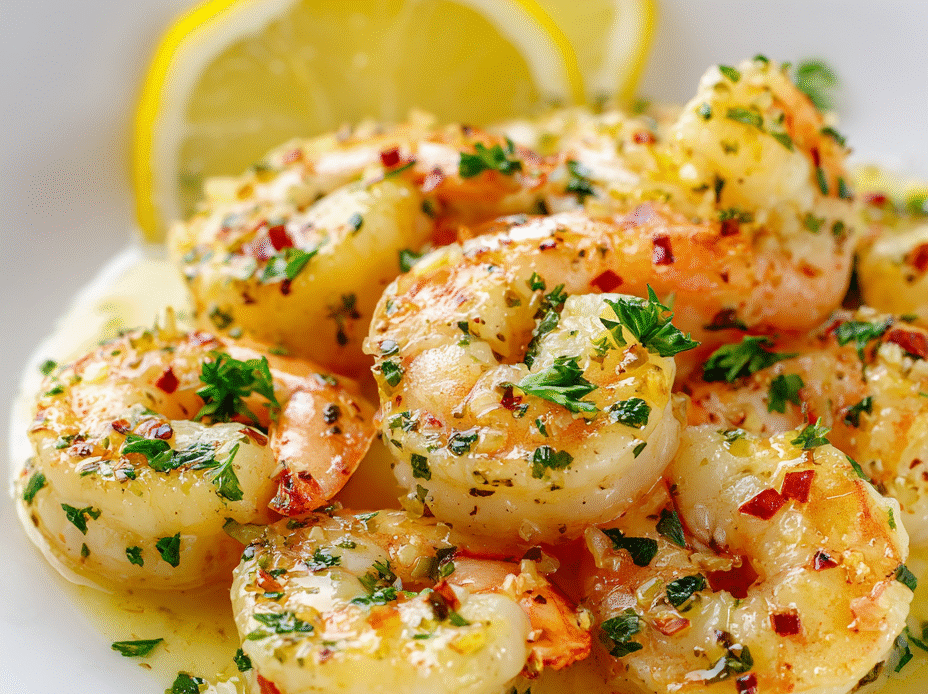
In my kitchen, shrimp scampi has always been one of those dishes I thought I had nailed—until I realized I was often shortchanging the garlic and lemon zest. It’s funny how such small adjustments can turn a good dish into something truly memorable, bright and punchy in ways I hadn’t imagined. I’ve learned to really pay attention to that delicate balance, and now I keep a jar of lemon zest ready for whenever I cook this up.
This recipe is not just about the ingredients; it’s about the little moments I’ve tweaked along the way, like adding a splash of pasta water to loosen the sauce or gently searing the shrimp just until they’re firm and opaque. It’s honest work, messy in spots, but those small details make all the difference. It’s a meal that feels fancy but is rooted in those honest, imperfect kitchen moments.
Focusing on the overlooked importance of the lemon zest and garlic balance in shrimp scampi, highlighting how this small tweak transforms the dish from good to extraordinary, and sharing honest tips from my messy kitchen that made me finally nail that perfect bright, garlicky flavor.
The subtle magic of lemon zest
- I used to think shrimp scampi was a quick toss together, but now I see it’s about the small details—garlic that’s just barely golden, lemon zest that wakes up all the senses.
- There’s a rush of pride when I get that perfect sear on the shrimp—crisp edges, tender inside, all coated in a glossy, fragrant sauce.
- Honestly, I get nostalgic thinking about the first time I nailed this dish after many failed attempts, the kitchen smelling of garlic and citrus—it felt like a small victory.
- Sometimes, I rush through it and the sauce feels flat, but when I take my time, the flavors deepen, and it’s like the dish tells a story.
- This recipe reminds me that simple ingredients—shrimp, garlic, lemon—when treated with care, can turn into something unexpectedly bright and satisfying, even on a hectic weeknight.
The inspiration behind this dish
A few years ago, I was craving shrimp scampi but wanted to elevate it beyond the usual. I started experimenting with more lemon zest and a touch of red pepper flakes, which added a surprising brightness and subtle heat. That little tweak turned a simple dish into one I actually wanted to make often, not just on special occasions but on regular weeknights when I needed comfort with a zing. It’s funny how small changes, like a squeeze of lemon or a dash of parsley, can make all the difference in capturing that fresh, lively flavor I love.
Fun facts about shrimp scampi
- Shrimp scampi as we know it likely evolved from Italian-American seafood dishes in early 20th century New York, blending Italian flavors with local seafood availability.
- The term ‘scampi’ originally refers to a type of langoustine or Dublin Bay prawn in Italy, but in America, it often denotes this garlic-butter shrimp preparation.
- Historically, the dish’s simplicity—shrimp, garlic, butter—made it a quick, affordable, yet indulgent meal for busy households and late-night diners.
- In some regions, adding a splash of white wine or lemon juice was an improvisation that became a standard part of the recipe, enhancing brightness and acidity.
- Today, shrimp scampi remains a favorite because it exemplifies how minimal ingredients, when balanced just right, create bold, satisfying flavors.
Key ingredients and tips
- Garlic: I use plenty to infuse the oil, releasing a fragrant, almost nutty aroma that’s the backbone of the dish; don’t skimp—crush it fresh for the best punch.
- Lemon zest: Brightens everything with a zingy, citrusy note; I find a microplane works best, and I keep it handy to add at the end for maximum brightness.
- Shrimp: I prefer medium-sized, peeled, deveined; look for that firm, slightly translucent flesh, and don’t overcook—resist the urge to walk away during the searing.
- Pasta: I like spaghetti or linguine—something that holds sauce well; cook until al dente, then save a cup of pasta water to loosen the sauce if needed.
- Butter & Olive Oil: I use a combo—rich, silky, and not too greasy; the butter’s flavor really comes through when it melts into the garlic and lemon, so don’t skip it.
- Red Pepper Flakes: Just a pinch adds a subtle heat that awakens the dish; start small, then adjust—too much can drown the delicate brightness.
- Parsley: Fresh, chopped at the end—adds a pop of color and herbal freshness; I toss it in just before serving so it stays vibrant.
Spotlight on key ingredients
Garlic & Lemon Zest:
- Garlic: I use plenty to infuse the oil, releasing a fragrant, almost nutty aroma that’s the backbone of the dish; don’t skimp—crush it fresh for the best punch.
- Lemon zest: Brightens everything with a zingy, citrusy note; I find a microplane works best, and I keep it handy to add at the end for maximum brightness.
Notes for ingredient swaps
- Dairy-Free: Swap butter for coconut oil or a neutral oil like avocado. Expect a slightly different richness but still smooth and satisfying.
- Gluten-Free: Use gluten-free pasta or zucchini noodles. The texture will be different, but the flavor remains bright and garlicky.
- Shellfish Alternative: Replace shrimp with scallops or firm white fish like cod. They cook quickly and absorb flavors well.
- Lemon Variations: Use bottled lemon juice if fresh isn’t available—just aim for a bright, tangy burst, though fresh zest makes a bigger impact.
- Herb Swap: Substitute parsley with basil or cilantro for a different fresh note. It changes the aroma but still lifts the dish.
- Wine Substitute: Use extra chicken broth or water with a splash of vinegar for acidity. Keep in mind, it won’t be as aromatic.
- Olive Oil: Use avocado oil or light sesame oil for different flavor profiles. Just avoid overpowering the garlic and lemon.
Equipment & Tools
- Large skillet: To sear shrimp and make sauce in one pan.
- Microplane: To zest lemon, adding bright citrus flavor.
- Slotted spoon: To remove shrimp easily without excess oil.
- Pasta pot: To cook the spaghetti to al dente.
- Tongs: To toss and combine pasta with sauce.
Step-by-step guide to shrimp scampi
- Equipment & Tools: Gather a large skillet (preferably 12-inch), a microplane for zest, a slotted spoon for shrimp, and a pasta pot. Have tongs and a measuring cup ready.
- Cook the pasta: Boil water in the pasta pot with a generous pinch of salt. Cook spaghetti until just al dente, about 8 minutes. Reserve 1 cup of pasta water, then drain and set aside.
- Prep the shrimp: While pasta cooks, peel and devein the shrimp if not already done. Pat dry with paper towels to ensure a good sear.
- Sear the shrimp: Heat 2 tbsp olive oil over medium-high heat (around 190°C/375°F). Add shrimp in a single layer. Sear for 2 minutes per side until pink and opaque. Remove and set aside.
- Make the sauce: In the same skillet, lower heat to medium. Add 4 tbsp butter and 2 tbsp olive oil. Once melted, add 4 minced garlic cloves. Cook for 30 seconds until fragrant, avoiding browning.
- Deglaze and flavor: Pour in ½ cup white wine or chicken broth, scraping up bits from the pan. Let it simmer for 2 minutes until slightly reduced. Add lemon zest (1 tbsp) and red pepper flakes (¼ tsp).
- Combine everything: Return shrimp to skillet. Add cooked pasta. Toss gently to coat in the sauce. If needed, add reserved pasta water a little at a time until sauce is silky and clings to pasta.
- Finish with brightness: Off heat, squeeze in 1 tbsp lemon juice. Toss in chopped parsley. Taste and adjust seasoning with salt or more lemon zest if desired.
- Rest and plate: Let sit for 1 minute to meld flavors. Serve hot, garnished with additional parsley or lemon wedges if desired.
Let the pasta sit for a minute after mixing to absorb flavors. Serve immediately, with a sprinkle of parsley or a squeeze of lemon for extra freshness.
How to Know It’s Done
- Shrimp are firm, opaque, with a slight bounce when pressed.
- Garlic is fragrant and slightly golden, not burnt.
- Sauce is glossy, coats pasta evenly, with a bright lemon aroma.
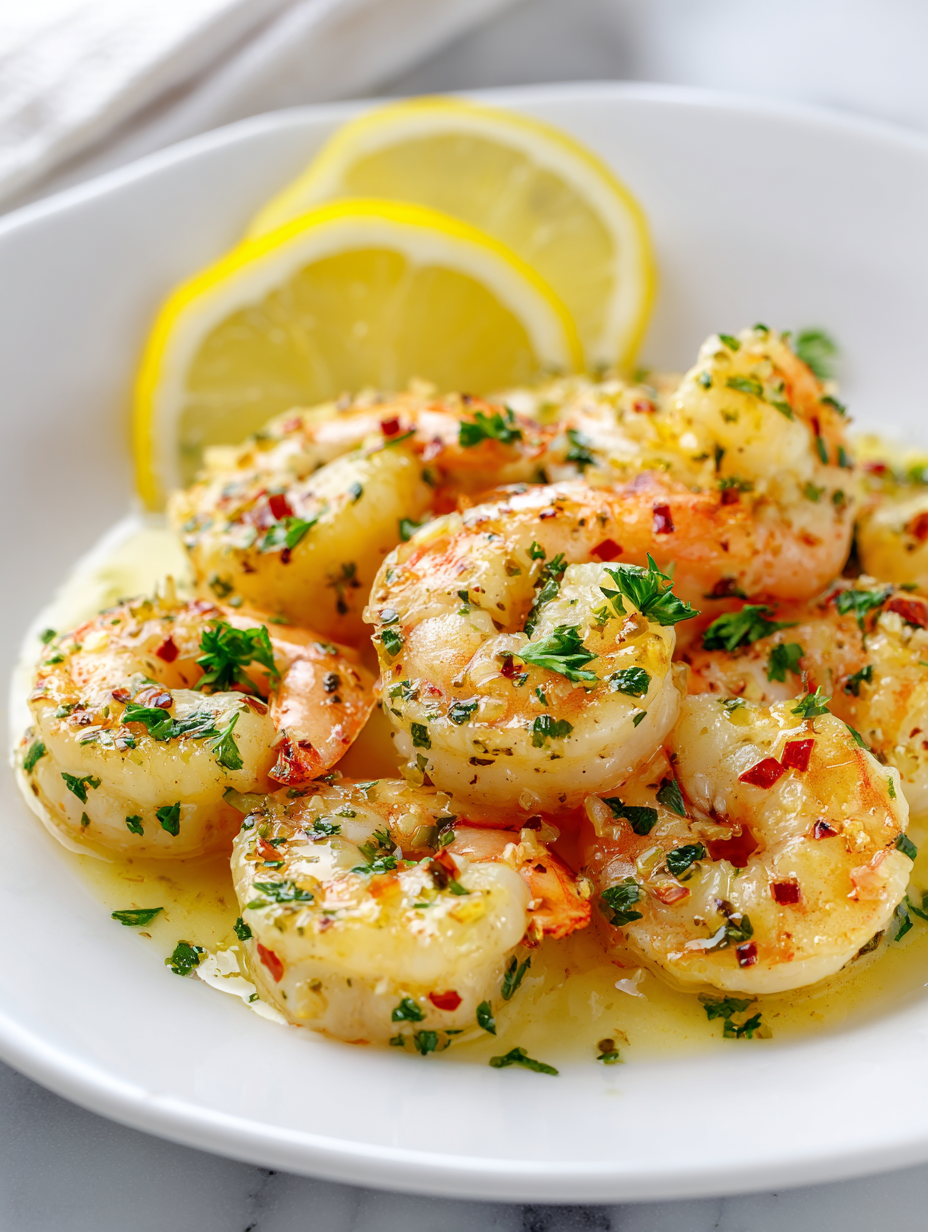
Bright Lemon Garlic Shrimp Scampi
Ingredients
Equipment
Method
- Bring a large pot of salted water to a boil. Add the pasta and cook until just al dente, about 8 minutes. Drain, reserving ½ cup of pasta water, and set aside.
- While pasta cooks, season the shrimp with a pinch of salt and pat dry with paper towels to ensure a good sear.
- Heat a large skillet over medium-high heat and add 1 tablespoon olive oil. Once hot, add the shrimp in a single layer. Sear for about 2 minutes per side, until they turn pink and develop golden edges. Remove the shrimp and set aside.
- In the same skillet, melt the butter and remaining 1 tablespoon olive oil over medium heat. Add the minced garlic and cook for 30 seconds until fragrant and lightly golden, making your kitchen smell incredible.
- Pour in the white wine or broth, scraping up any browned bits from the pan. Let it simmer for about 2 minutes until slightly reduced, creating a flavorful base.
- Add the lemon zest and red pepper flakes to the skillet, stirring briefly to release their aromas and infuse the sauce with brightness and a hint of heat.
- Return the seared shrimp to the skillet, then add the cooked pasta. Toss everything together gently to coat the noodles and shrimp in the flavorful sauce.
- If the sauce feels too thick or sticky, add a splash of the reserved pasta water and stir until glossy and well coated.
- Remove from heat, squeeze in the lemon juice, and sprinkle with chopped parsley. Toss to combine, and taste for seasoning, adding more salt or lemon zest if desired.
- Serve immediately, garnished with additional parsley or lemon wedges if you like, and enjoy the bright, garlicky, tender shrimp pasta.
Pro tips for perfect shrimp scampi
- Use plenty of garlic; it releases a nutty aroma and forms the dish’s backbone.
- Zest the lemon before juicing; the zest adds a bright, citrusy punch that elevates the sauce.
- Sear the shrimp quickly over high heat; they should be pink with a slight golden edge, not rubbery.
- Reserve some pasta water; it helps loosen the sauce and makes it cling better to the noodles.
- Add lemon juice and parsley off heat; this preserves their fresh, vibrant flavors and prevents bitterness.
- Don’t rush the garlic; cook until fragrant but not browned, which can taste bitter and burnt.
- Taste the sauce before serving; adjust salt, lemon, or chili flakes to balance the brightness and heat.
Common mistakes and how to fix them
- FORGOT to adjust heat after adding garlic, causing burning—reduce heat and stir constantly.
- DUMPED too much pasta water, diluting the sauce—add gradually until the sauce coats well.
- OVER-TORCHED the shrimp, turning them rubbery—remove from heat as soon as they turn pink and opaque.
- MISSED the lemon zest, missing brightness—zest before juicing to maximize flavor impact.
Quick fixes and pantry swaps
- When sauce is too thin, splash in a little more pasta water and simmer for 1 minute until glossy.
- Splash cold water on overcooked shrimp to stop cooking immediately and recover some texture.
- Patch burnt garlic by removing it quickly, then deglaze pan with a splash of wine or broth for flavor.
- Shield bland sauce with a squeeze of lemon and a pinch of salt, then taste and adjust seasoning.
- If sauce shimmers and clings, it’s perfect; if it’s dull, add a bit more lemon zest or parsley for freshness.
Prep, store, and reheat tips
- Peel and devein the shrimp ahead of time; keep refrigerated for up to 24 hours to maintain freshness and prevent odor.
- Cook the pasta in advance; store in an airtight container in the fridge for up to 1 day. Reheat gently to avoid over-softening.
- Prepare the garlic and lemon zest mixture early; keep in a small jar in the fridge for up to 2 days. It intensifies flavors over time.
- Reheat leftovers in a skillet over low heat, adding a splash of water or olive oil. The sauce may thicken, so adjust with more liquid for a silky texture.
- Store the finished dish in an airtight container in the fridge for up to 2 days. Sensory note: watch for a slight fishy smell or sauce separation—stir well and reheat gently.
Top questions about shrimp scampi pasta
1. What size shrimp works best?
Use medium-sized shrimp for the best balance of flavor and ease of searing. They’re tender and cook quickly, about 2-3 minutes per side.
2. How should I prepare the garlic?
Fresh garlic releases a fragrant, nutty aroma when cooked. Crush it finely for maximum flavor and avoid burning it by cooking over medium heat.
3. When do I add the lemon zest?
Lemon zest brightens the dish with a citrusy punch. Use a microplane to get fine zest, adding it at the end for a fresh burst.
4. How do I get the perfect pasta texture?
Cook the pasta al dente, then reserve some pasta water. It helps loosen the sauce and cling better to the noodles, adding a silky texture.
5. How can I tell when the shrimp are done?
Don’t overcook the shrimp—they turn rubbery quickly. As soon as they turn opaque and pink, remove them from heat.
6. Can I skip the wine?
Use a splash of white wine or broth to deglaze the pan, which adds brightness. Let it simmer for a couple of minutes to reduce slightly.
7. When should I add lemon juice and parsley?
Finish with lemon juice and parsley off the heat to preserve their fresh flavors. Toss everything quickly to keep the sauce vibrant.
8. How do I store leftovers?
Store peeled and cooked shrimp in the fridge for up to 24 hours. Reheat gently in a skillet with a splash of water or oil.
9. What if the sauce is too watery or burnt?
If the sauce gets too thin, add a little more pasta water and simmer until glossy. For burnt garlic, remove quickly and deglaze with broth.
10. What ingredients really make a difference?
Use high-quality olive oil and fresh garlic for the best flavor. A well-balanced sauce depends on these simple yet crucial ingredients.
Cooking this shrimp scampi pasta is a reminder that simple ingredients, treated with care, create the most satisfying flavors. It’s imperfect, messy at times, but those small moments—like that burst of lemon or a perfectly seared shrimp—make it worth the effort.
Whenever I make this dish, I feel a little more connected to my kitchen, to the process of balancing bright, garlicky, buttery flavors. It’s honest, straightforward comfort with a punch of freshness that feels just right for right now.

Hi, I’m Jonny Andrew Miller, the cook, taster, and slightly messy mind behind Bite & Boom. I live in Austin, Texas, a city that smells like barbecue smoke, fresh tortillas, and late-night tacos if you wander long enough. It suits me.