
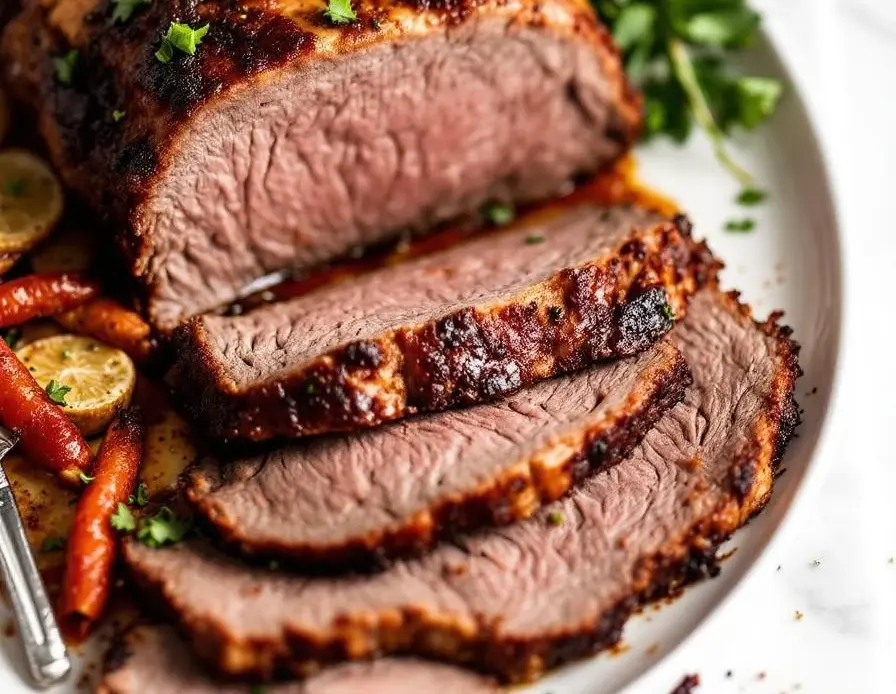
Getting a brisket smoked right means you’re huddled around the smoker for hours, tending the fire, checking the smoke flow, listening for that steady hum of the coals. It’s a hands-on process, not a set-it-and-forget-it affair, especially when you’re trying to keep that smoke ring even and consistent.
The prep involves trimming the fat cap carefully, then applying a coarse rub that sticks stubbornly to the meat’s surface. You’ll be handling a hefty piece of beef, sliding it onto the rack, feeling its weight settle into your hands as you close the lid and start the slow, smoky transformation.
The crackle of the bark as you carve into the brisket, the way the crust gives way with a satisfying snap, revealing tender, smoky meat inside.
Key Ingredients and Substitutions
- Brisket: I pick a well-marbled cut, the fat melts into the meat during smoking, keeping it juicy. Skip leaner cuts—they dry out faster and lack that rich flavor.
- Salt and Pepper: I use coarse kosher salt and cracked black pepper for the rub, giving a gritty, savory crust. Feel free to add paprika or garlic powder for extra punch.
- Wood Chips: I prefer hickory or oak for that deep smoky aroma, but apple or cherry add a sweeter, fruitier note. Soak chips for at least 30 minutes to avoid flare-ups.
- Mustard or Binder: I spread a thin layer of mustard before the rub to help it stick, but you can also use olive oil or Worcestershire sauce if you prefer a milder crust.
- Beer or Broth: I pour a bit of beer or beef broth into the smoker’s water pan to keep the environment moist and add subtle flavor. Skip if you like a crisper bark.
- Aluminum Foil: I wrap the brisket midway through cooking to lock in moisture, especially if the bark gets too dark. Be cautious—over-wrapping can soften the crust.
- Thermometer: I rely on a good probe thermometer to track internal temp; brisket hits the tender zone around 195°F. Without it, you’re just guessing, and that’s a gamble.
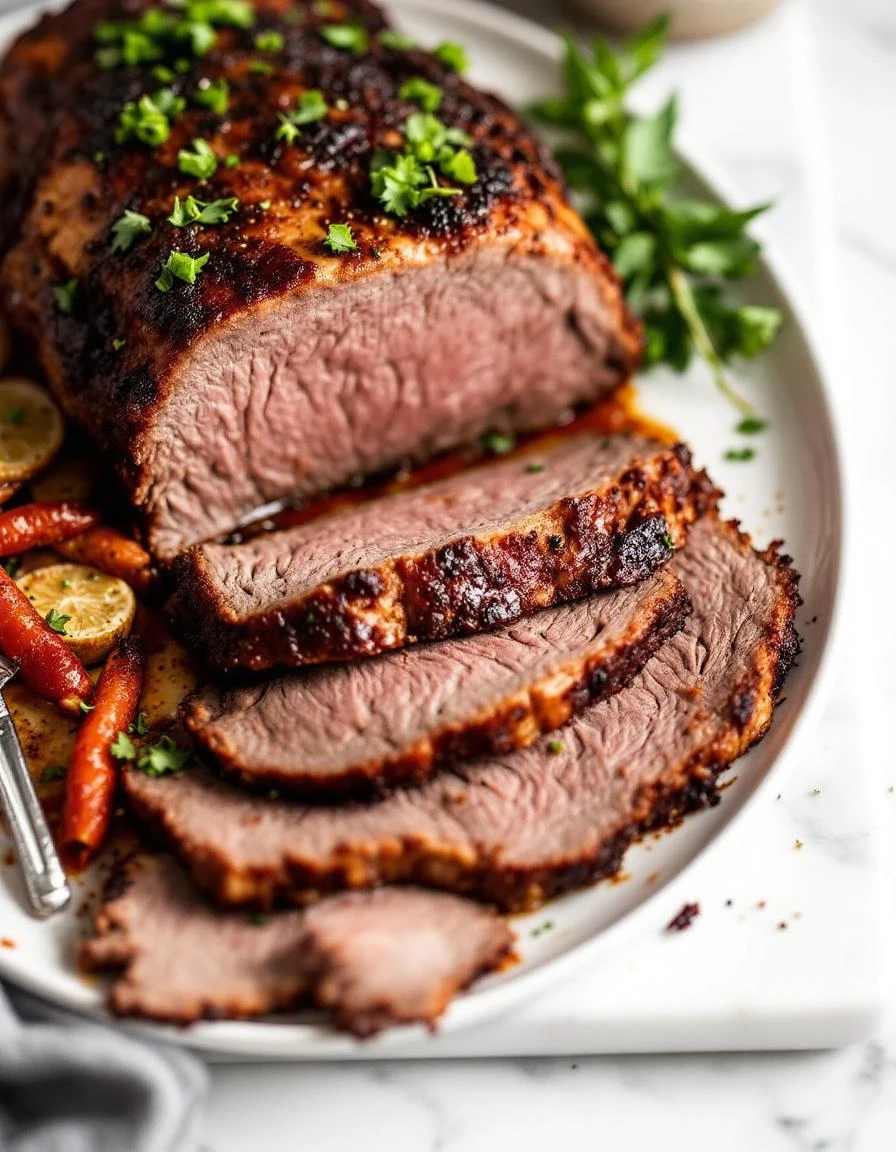
Smoked Beef Brisket
Ingredients
Equipment
Method
- Trim the excess fat cap from the brisket, leaving about a ¼ inch layer for moisture and flavor.
- Mix the coarse salt, black pepper, paprika, and garlic powder in a small bowl to create your rub.
- Spread a thin layer of mustard or your chosen binder evenly over the brisket surface to help the rub adhere.
- Generously apply the dry rub all over the brisket, pressing it into the meat to form a flavorful crust.
- Preheat your smoker to 225°F and add soaked wood chips to the fire box or coals to generate smoke.
- Place the brisket on the smoker rack, fat side up, and insert a meat thermometer into the thickest part of the meat for monitoring.
- Pour beef broth or beer into the water pan of your smoker to maintain moisture and enhance smoky flavor.
- Close the lid and smoke the brisket, maintaining a consistent temperature around 225°F, for about 6-8 hours, spritzing with additional liquid if desired.
- Wrap the brisket loosely in aluminum foil once the internal temperature reaches around 165°F to prevent over-browning.
- Continue smoking until the internal temperature reaches about 195°F and the meat feels tender when tested with a probe.
- Remove the brisket from the smoker, tent loosely with foil, and let it rest for at least 20 minutes to allow juices to redistribute.
- Slice the brisket against the grain, revealing a beautifully smoked, tender interior with a crispy bark, ready to serve and enjoy.
Common Mistakes and Fixes
- FORGOT to monitor the smoker temperature regularly; fix by using a reliable probe thermometer.
- DUMPED the drippings; fix by collecting juices for sauce or gravy instead of discarding them.
- OVER-TORCHED the crust; fix by lowering heat or wrapping sooner to prevent burning.
- MISSED resting time; fix by letting the brisket rest for at least 20 minutes before slicing.
Make-Ahead and Storage Tips
- You can prep the brisket rub and apply it a day ahead; keeps the seasoning flavorful and penetrated.
- Wrap the cooked brisket tightly in foil or plastic wrap and store in the fridge for up to 3 days.
- For longer storage, freeze the brisket for up to 2 months; thaw in the fridge overnight before reheating.
- Reheat gently in the oven or sous-vide, aiming for a warm, smoky aroma with tender, pull-apart texture; check for steam and aroma cues.
- The flavor can intensify and deepen after resting overnight, developing richer smoky notes; reheating may mellow the bark slightly.
FAQs
1. How does the brisket smell after smoking?
The smoky aroma hits your nose first, followed by the satisfying, tender pull of the meat. The crust gives way with a gentle crackle, revealing moist, flavorful beef inside.
2. What’s the texture of a properly smoked brisket?
It’s rich and smoky, with hints of caramelized spices on the crust. When you cut into it, steam escapes with a meaty, charred note that lingers on the tongue.
3. How can I tell if my brisket is done?
The meat should feel tender yet hold its shape, with a slight resistance from the bark. Juices should bead and drip when sliced, not pool or drip excessively.
4. How do I reheat smoked brisket without drying it out?
Reheat in a covered dish at low temperature until warmed through. Expect a gentle smoky scent and a slight give when pressed, with a warm, juicy interior.
5. Can I prepare smoked brisket ahead of time?
The bark can develop a deeper, more complex smoky flavor after resting. The meat becomes more tender, and the juices settle, making each slice richer and juicier.

Hi, I’m Jonny Andrew Miller, the cook, taster, and slightly messy mind behind Bite & Boom. I live in Austin, Texas, a city that smells like barbecue smoke, fresh tortillas, and late-night tacos if you wander long enough. It suits me.