
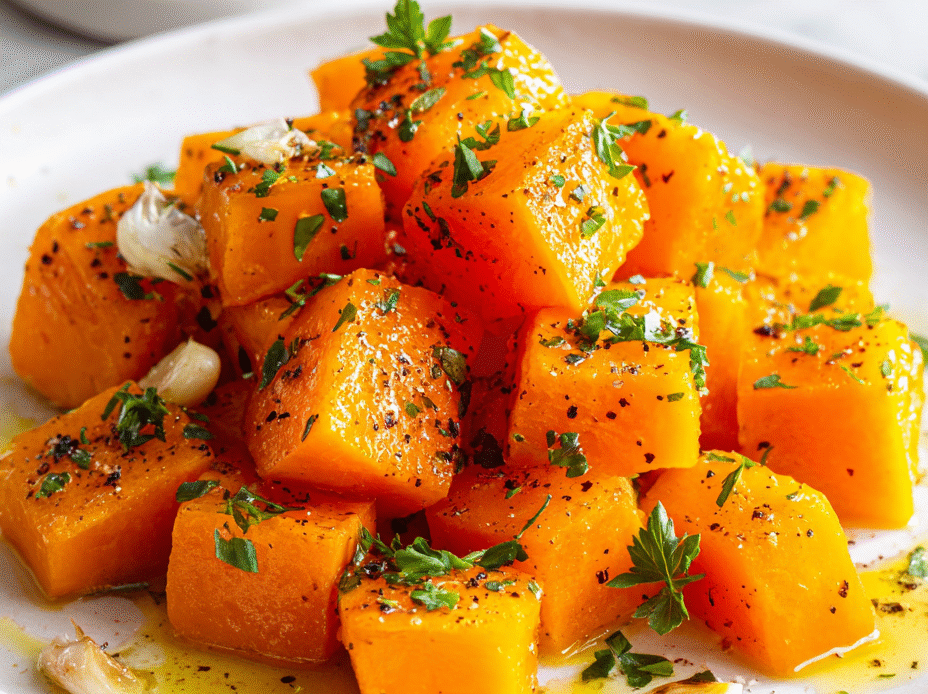
Roasted butternut squash feels like a cozy winter secret—sweet, smoky, and impossibly versatile. It’s one of those ingredients that can be a snack, a side, or a base for something more complex. The process is simple, but the flavor payoff is worth paying attention to.
Why I keep coming back to roasted butternut squash
It’s a forgiving ingredient that rewards patience. The sweet aroma filling the kitchen during roasting is pure comfort. Plus, it pairs effortlessly with so many flavors, making it a kitchen staple. Every batch feels like a small victory, even on the busiest days.
Breaking down the ingredients
- Butternut squash: Sweet, dense flesh that caramelizes beautifully. Look for firm, unblemished skin.
- Olive oil: Adds richness and helps with browning. Use good-quality extra-virgin for best flavor.
- Salt: Enhances sweetness and balances flavors. Kosher salt works well.
- Spices (paprika, cumin, cinnamon): Optional but adds smoky, warm notes. Adjust to your taste.
- Herbs (thyme, sage): Fresh herbs bring a fragrant touch. Toss in before roasting or garnish afterward.
- Lemon zest or juice: Brightens up the roasted flavor. A sprinkle right before serving lifts it.
Tools of the trade for perfect roasted squash
- Vegetable peeler: To remove the tough skin easily.
- Sharp knife: For clean, precise cuts.
- Baking sheet with parchment paper: Ensures even roasting and easy cleanup.
- Spatula or tongs: To flip the cubes without breaking them.
Step-by-step: roasting butternut squash like a pro
Step 1: Preheat your oven to 200°C (390°F).
Step 2: Slice the butternut squash in half lengthwise. Remove seeds with a spoon.
Step 3: Peel the skin with a vegetable peeler or a sharp knife.
Step 4: Cut into even 1-inch cubes for uniform roasting.
Step 5: Toss the cubes with olive oil, salt, and your choice of spices.
Step 6: Spread on a baking sheet lined with parchment paper. Roast for 25-30 minutes, flipping halfway.
Step 7: Look for golden edges and a tender, slightly caramelized surface.
Step 8: Once done, let it rest for 5 minutes before serving or mashing.
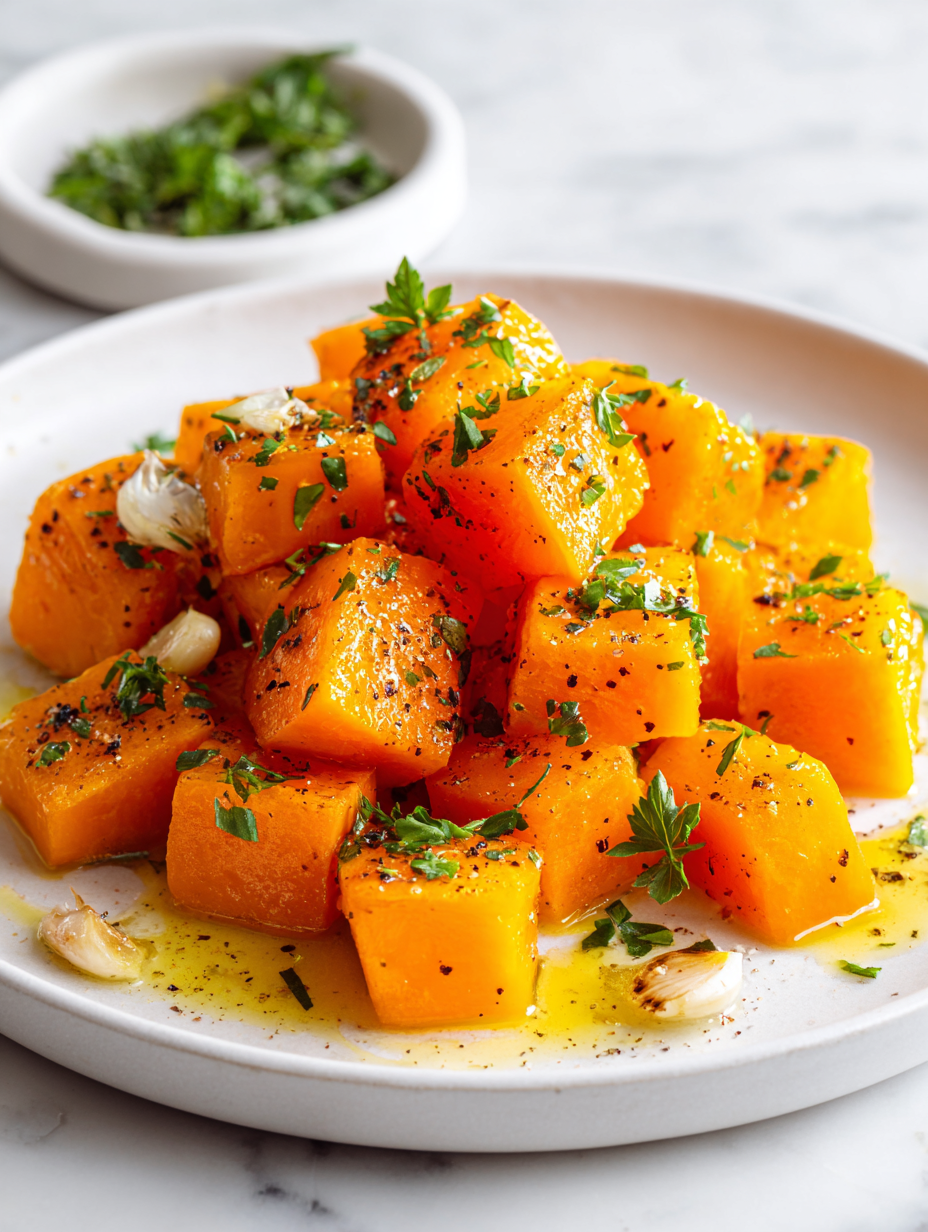
Roasted Butternut Squash
Ingredients
Equipment
Method
- Preheat your oven to 200°C (390°F) and line a baking sheet with parchment paper.
- Use a vegetable peeler to carefully remove the tough skin from the butternut squash, then cut off both ends and slice it in half lengthwise.
- Scoop out the seeds with a spoon and discard or save for roasting later.
- Cut the squash into even 1-inch cubes, ensuring they are roughly the same size for even roasting.
- In a large bowl, toss the cubes with olive oil, salt, paprika, cumin, and cinnamon until evenly coated and fragrant.
- Spread the seasoned cubes in a single layer on the prepared baking sheet, ensuring they are not overlapping for optimal browning.
- Roast in the preheated oven for 25-30 minutes, flipping halfway through, until the edges are golden and caramelized, and the squash is tender when pierced with a fork.
- Remove the baking sheet from the oven and allow the squash to rest for 5 minutes—it will be soft, with slightly crispy edges and a sweet aroma.
- Optionally, sprinkle freshly chopped thyme or sage over the warm squash, and zest or squeeze lemon juice on top for a bright finish.
- Serve the roasted butternut squash as a side dish, snack, or base for salads and grain bowls. Enjoy the tender, caramelized texture and sweet smoky flavor.
Notes
Cooking checkpoints: what to watch for
- Edges should be golden and slightly crisp.
- Flesh should be tender when pierced with a fork.
- Smell of roasted squash should be sweet and slightly smoky.
- Squash should hold together but yield easily when poked.
Common roasting mistakes and how to fix them
- Squash slides around when cutting.? Use a dull knife? Switch to a sharp one for cleaner cuts.
- Steamed instead of roasted.? Overcrowding the pan? Use two sheets, give space for air to circulate.
- Squash burns on one side.? Didn’t flip halfway? Do it at 15 minutes for even caramelization.
- Under-cooked insides.? Squash isn’t tender? Roast longer, up to 35 minutes, if needed.
This roasted butternut squash isn’t just a side—it’s a canvas. The natural sweetness gets amplified by the caramelization, making every bite a little more complex. Feel free to toss in herbs or a drizzle of balsamic for extra depth. It’s forgiving, easy, and a reminder that simple ingredients shine brightest with just a little heat.

Hi, I’m Jonny Andrew Miller, the cook, taster, and slightly messy mind behind Bite & Boom. I live in Austin, Texas, a city that smells like barbecue smoke, fresh tortillas, and late-night tacos if you wander long enough. It suits me.